Mid-October 1929
The wind-blown rain slowly turned to sleet as the outside temperature dropped. The freezing precipitation hit the windows of my Belvedere Building office as if so many pebbles, sounding a ceaseless lament. It was becoming as familiar a companion as the scent of Jack Daniels and tobacco smoke that clung to my timeworn suit as though a second skin.
Another day, another forgotten cigarette burning itself out in an overflowing ashtray. The lettering on the door, “Tanner Detective Agency — Discreet Inquiries,” felt like a cruel joke. There hadn’t been a discreet inquiry, or any investigation for that matter, in weeks. The only thing I was chasing was the bottom of a glass.
It was a Tuesday, late, and I was in a sour mood. A damp chill that had clung to the air since my office radiator had given up the ghost the previous Thursday only added to my gloominess. My building had recently changed owners, and the new super had promised a repair sometime soon.
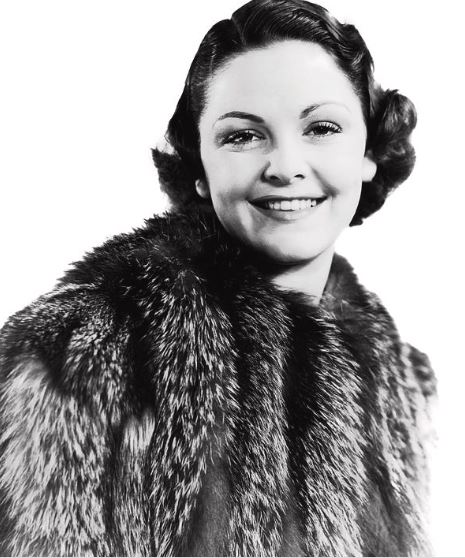
The door squeaked open. A darb stood there, silhouetted against the corridor lighting. In my solitude, I’d failed to turn on the office lights as dusk approached. She stepped inside and did the honors at the switch by the door. She was a vision in a dark fur coat. Her wide-brimmed hat cast a shadow over eyes that held a lifetime of secrets, but her lips, painted a defiant crimson, hinted at a story worth hearing. The fragrance of expensive perfume wafted to me. She had the high-toned air of money. Even during my brief career as a private investigator, I had learned that those two things combined usually spelled trouble. But in my line of work, trouble paid the bills.
Her … eyes … held a lifetime of secrets, but her lips, painted a defiant crimson, hinted at a story worth hearing.
“Mr. Tanner?” Her sultry voice purred low, like a well-oiled engine.
I took a drag from my Chesterfield, letting the smoke coil into the air. “That’s what the writing on the door says. What can Gil Tanner do for you?”
She walked in, her heels clicking a rhythmic beat on the faded linoleum. Her gloved hand produced a wad of bills that could keep Harry Bittles, my long-suffering bartender at Harry’s Paradise Tavern, smiling for a week. I didn’t stand to greet her. My gesture toward a visitor’s chair went unheeded.
“l need someone dealt with. A man. I don’t know his name, but I’ll never forget his voice.”
“What’s he to you?”
“He’s nothing to me.” Her gaze was unblinking. “The man is blackmailing me. He…he telephoned me out of the blue with his demand.”
I studied her face. Anguish lay just below the surface. “Why not take it to the police?”
The woman winced. “Because of the reason he’s extorting me, I cannot. I simply can’t. But I recognize that my first payment will be only the beginning. My choices are to kill him myself or to hire someone to do it for me. I understand you work cheap.”
An icy fist squeezed my heart. This wasn’t just another skirt; my first impression was she was a woman determined to get what she wanted, however she had to. And this wouldn’t be simply run-of-the-mill investigation; it was something uglier. I shrugged, a cloud of smoke escaping my lips. “Well, to begin with, doll face, you’ve been reading too many drugstore pulp novels. Most gumshoes I know don’t hire out to bump off mugs. And I’m one who falls into that category. So, you’ve come to the wrong man.”
She sniggered disdainfully, stashed the cabbage in the handbag she carried, and started to leave.
I needed work, so I called after her, “Now, if you want me to stop this goon’s extortion of you, that’s more my racket.”
My visitor froze in place at my words and turned back to me. “And how do you do that?”
“Several ways are possible, but none of which involve killing him, unless he shoots first,” I chuckled. “Level with me. You weren’t serious about killing a man or hiring someone to do it, were you?”
“No,” she said flatly. “It was just an expression of the desperation, the hopelessness I feel. I’m sorry.”
The woman removed her hat, gloves, and coat and sat down. I judged her to be in her early thirties, a shapely brunette with a beautiful face and smooth white skin. She held an expectant expression. I took the hint.
“My initial aim, should I accept your case, will be to identify the man. Then, my approach will depend on what has laid you open to blackmail and the circumstances of the threat.” I offered my caller a coffin nail, which she declined. “You know my handle. Now, what’s yours?”
As she retrieved a gasper from a deck in her handbag, she replied, “Mr. Tanner, I am married to a wealthy and influential man. We wed later in life than what might be considered the norm. Regrettably, I did some things in my youth that were not very well thought through. Perhaps I was too young to consider the possibility they’d return to haunt me.”
“I did some things in my youth that were not very well thought through.”
I set fire to both our smokes. “That’s very interesting, lady, but it didn’t answer my question. What is your name?”
After a momentary hesitation, she said, “I’m Margaret Jones.”
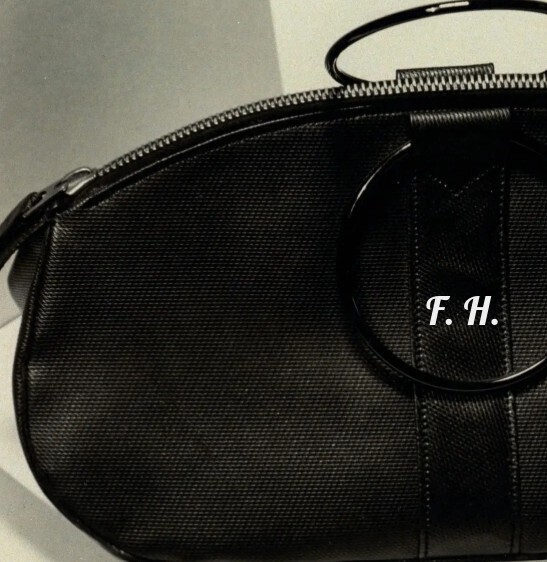
Unfortunately, the moniker she provided didn’t match the monogram on her purse. My mood darkened even more. “The initials on your pocketbook don’t fit with Margaret Jones.” Her peepers quickly shot to the offending bag and the letters she’d forgotten were there. I slammed a fist on my desk and yelled, “I won’t deal with a client who lies to me! Take your troubles elsewhere! And good luck!”
The dame recoiled and folded in on herself. A tear came to the corner of her eye and just lay there, unable to return, unwilling to drop. She picked at her fingernails, but didn’t respond. After a brief pause, the woman gazed into my face. “I’m sorry, Mr. Tanner. This is all new to me, and the subject is extremely sensitive. I won’t lie again. I swear it. Please help me.” I glared at the doll and waited for her to get my message. “Oh … my name is Feryne Hurst. Everyone calls me Fern.”
I put two and two together. “By any chance, are you related to James Hurst?” Hurst was a prominent, well-respected businessman in our region. She appeared to be from that kind of wealth.
Her gaze dropped to her hands again. Once more, I waited. After a few seconds, she tossed me an up-from-under look. Tears had filled her eyes. “He’s my husband.”
“All right, Mrs. Hurst, explain more about what you need from me. What does this mug have hanging over your head?”
“First, I must have your word that my problem will be treated with the utmost discretion. Not a soul is to know anything regarding what I’m dealing with.” After I spelled out my position that a PI who gabs about his clients or his cases can’t expect to keep getting either and swore myself to secrecy, she resumed. “Well, it started a little over fourteen years ago. When I turned sixteen, I ran away from my home in Kansas. It was in a small town near Topeka. My father was always a cruel, abusive ogre. I couldn’t take it anymore and left. I never looked back. Never went back either; well, except once to bury my mother.” Mrs. Hurst dabbed her eyes with a handkerchief from her purse.
Based on my old man and his history of alcohol-fueled brutality, I related to her story completely. He’d died earlier that year, but the memory of his cruelty lived on. Somehow, my mom, the target of much of his fury, still grieved for him.
“Anyway,” Mrs. Hurst continued, “I was wide-eyed and naïve. Things didn’t go well for me here. A worthwhile job eluded me. My circumstances went from bad to far worse. After a time, I was on the verge of working the streets … but I never did!” she insisted. “I’m truly not that kind of woman. You must believe me.” I nodded sympathetically. “Then I met a man named Wilburn Croxton. He said he was a photographer who specialized in what he called ‘avant-garde portraits’.”
I was getting the picture, so to speak. This Croxton fellow might be acquainted with Lester Osgood, whose photography studio sat next door to my office. Lester the Letch, as most women in our building referred to him, supposedly had a flourishing business in what was known as the “French postcard” trade.
Feryne went on, “He said it was all the rage and made available only to private collectors, not the general public. My name should never be associated with the portraits. He offered me the opportunity to earn decent money posing for him. At first, I told him no. But he persisted. My resistance wore down as my conditions deteriorated. He swore there’d be no hanky-panky involved. We’d just go somewhere to a pastoral setting and take a few snaps. He promised me more cash than I imagined making in a regular job. Finally, with his assurances of no improper…um…sexual activity of any kind, I agreed.
He swore there’d be no hanky-panky involved. We’d just go somewhere to a pastoral setting and take a few snaps.
“The day came for the photographs to be taken. He drove his car to a remote area of Crab Orchard Lake. I disrobed and-”
“Let me guess: he did, too.”
“No! He chose settings and set up his equipment.”
“Oh, sorry,” I said, regretting my lurid imagination get the better of me.
The woman moved on. “Then the man gave me a large piece of gauzy material and, later, a string of beads to use as props. He placed me and told me how he wanted me to pose. I think he took perhaps a dozen shots before we returned to the city. Then he paid me what he’d promised plus a small bonus because he was so happy with my work. I never saw him after that day and did nothing like that again.”
“So there was no hank-panky, as you put it?”
“No, but now I’m faced with a scandal that will kill James and destroy our marriage. My husband is not what you’d call a prude, but he won’t understand. This happened years before we met, found ourselves in love, and married. I’d hoped the entire episode was lost in time. But….” Her voice faded. For some moments, Feryne fell silent.
“So,” I finished her story, “this fella Croxton, who took the pictures, is now blackmailing you because of your husband’s status and your fear of disgrace.”
“Well, not exactly.” Before I might pose a question, Mrs. Hurst elaborated. “The photographer died nearly a year ago. When I read of his death in the newspapers, I felt an immense relief, thinking the unfortunate situation was behind me at last. The only thing I can figure is this chiseler must have somehow found the snaps or whatever negatives Wilburn still had in his possession when he died. Maybe it’s his landlord, or a friend, or a relative.
“Although my photograph has been in the dailies because of my involvement with social events and various charities around the city, it never occurred to me that someone might associate them with me. It’s been so long since….” Her voice trailed off. “Yesterday, an anonymous man telephoned me and demanded one thousand dollars for the pictures. When I pled for a little time to collect the money, he said he’d get back in touch with me. I was stalling for time to find someone such as you.”
“And that’s how you left it?” She nodded.
Realizing I’d incorrectly guessed one aspect of her issue, I was taken aback. Moving on, I proposed, “If you want, I can look into the matter and come up with a way to solve your problem. I charge twenty dollars a day plus expenses. I’ll expect a small retainer to hold my attention on your case,” I added glibly.
Feryne again retrieved the bundle of cash she’d held earlier. “I brought three hundred dollars with me, thinking I needed to and could buy your services to ‘dispose’ of my problem.” She thrust the bills across the desk. “Will this do for a retainer?”
The cabbage was much more than I figured on, but who was I to argue? “Yes, Mrs. Hurst, that will do nicely.” I slid the cash into the desk’s belly drawer and gave my client a receipt. Then I asked for and received the means by which to contact the lady discreetly. When I inquired, she assured me she could not recall exactly how many photographs Wilburn had taken those years ago. Feryne reiterated that she never saw the man after that day. She added that since she didn’t know who her blackmailer was and he had only communicated by telephone thus far, she had no idea how to reach him, where he lived, or maintained his employment, if any.
“Okay. The next time he contacts you, agree to meet for a payoff.” Doubt clouded Hurst’s eyes. She started to speak, but I cut her off. “Tell him, in no uncertain terms, you will only hand over the cash in person and in a very public place like the Broad Street Automat at lunchtime. Are you familiar with it?” She nodded. “Let me know when you’re getting together; I’ll be there in the crowd to get a fix on the cretin. Instead of giving him any money, plead with him not to go through with his scheme. He’s sure to refuse and will renew his demand. Tell him you need more time, say a week, to raise the cash. But promise to get it. Advise him if he wants the dough, he’ll have to wait. You must have a firm resolve in doing this, yet appear anxious and vulnerable. Understand?”
She waggled her head in comprehension, then asked, “But are you sure that’s a good idea? He’ll be angry.”
“The punk can get mad. He won’t do anything about it in the middle of a lunchtime mob at the eatery. And if I’m wrong, I’ll be there to calm things down.” Feryne tossed me an uneasy frown. “I assume you trust me, Mrs. Hurst. You came to me, right?”
She nodded and reminded me, “But I won’t know this man on sight.”
“Don’t concern yourself with that. He’s aware of what you look like.” She smiled faintly. I jerked my chin toward her chapeau. “Wear that to the automat. When you’re certain you’re talking to your tormentor, take it off. That’ll be my signal to tail the guy when he leaves. But do not indicate that you know me. I’ll get in touch with you later.”
I recognized lingering uncertainty in her demeanor. “A week,” I reassured her, “will give me more than enough time to gather the goods on this lummox and hopefully locate the photos. Trust me. I’m a private detective, and I’ve got the trench coat to prove it,” I chuckled with a vague hand gesture toward the office coatrack. After Mrs. Hurst expressed a half-hearted agreement to my plan, I made certain she had my agency telephone number and the one at my rooming house.
“Trust me. I’m a private detective, and I’ve got the trench coat to prove it…”
With the understanding that my client would contact me as soon as she heard from the extortionist and scheduled the meeting, and that I’d be in touch with her when there were any developments, she departed.
After stashing a little less than half the retainer I’d been paid into a small strongbox I kept in a locked desk drawer, I followed her out the door. Nightfall had enveloped the city. At the curb in front of my office building, I climbed into my Durant, coaxed its engine to life, and navigated through the slush-covered streets to my mom’s house, where we visited briefly. She declined my offer to take her to dinner because she was going to a revival at her church. Before leaving, I gave her the other half of the money Mrs. Hurst had given me. Though limited in my means, I tried to see that she wanted for nothing.
Before calling it a day and retreating to the confines of my boardinghouse, I treated myself to a meal at Mama Cappacino’s Restaurant.
* * *
It was early on the morning of the third day after Feryne hired me before she rang me with news. Her voice was taut with apprehension as she explained that the man had called again, demanding his money. As planned, she’d arranged to meet with him at the restaurant at twelve forty-five. Before disconnecting, I urged her to be there around ten minutes ahead of their scheduled confab time and reminded her of the signal she was to give me.
* * *
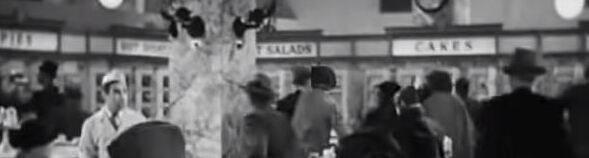
Twelve thirty on the dot, I arrived at the automat. The joint was crowded, which was what I’d hoped for. I grabbed a serving of joe and found a space at one of the tall tables with a good view of the place. A few minutes later, Mrs. Hurst showed up. Almost as if he’d been tailing her, a vaguely familiar guy, dressed in a pin-striped three-piece suit and a boater, was on her heels. A shock of red hair peeked from beneath his head covering. He peeled off, dawdled at the change booth, and surveyed the eatery. Feryne purchased a cup of coffee and stood facing me at a nearby table. Her countenance reflected a great deal of worry, eyes darting furtively across the room. She appeared to be unaware of his presence.
I shot sideways glances at the redhead who’d followed my client in. He was a sinewy mug of average height. He seemed somehow familiar, but I couldn’t place where or when I’d seen him or connect a name with him.
The fellow ambled around the restaurant, taking in everyone present. At one point he walked just behind me, then made his way to Mrs. Hurst’s location. He squeezed in next to her at the table. When he spoke to her, she flinched, but calmly removed her hat. This was my target.
The pair conversed in hushed tones amid the clatter of plates, cups, and utensils. Now, I wasn’t what the eggheads called a lip-reader. So my understanding of what was taking place was conjecture based on the couple’s gestures and facial expressions. Following my instructions, Feryne apparently relayed her request that he drop his blackmail plan. He smirked and shook his head vigorously. When the man responded, I couldn’t hear his words, but they were harshly delivered. The lady next to them glanced their way and moved to another table.
Then Mrs. Hurst appeared to tell him she needed more time to get the money he demanded. Again, his answer was stern, complete with a firm clench of her forearm. He jerked her arm as if trying to get her to go with him and slid a hand under his suit coat. Feryne looked to be in serious trouble, despite the crowd. Just as I started to make a move, she shook free of his grasp and, leaning into him, forcibly said something. His hand reappeared from inside his jacket. The woman was holding up her end of our plan. The carrottop struck the tabletop with an index finger as he seemed to give her his ultimatum before turning and departing. As he walked away, my client looked at me and nodded. After I held up a hand, indicating she should stay where she was, I pursued the man out of the automat.
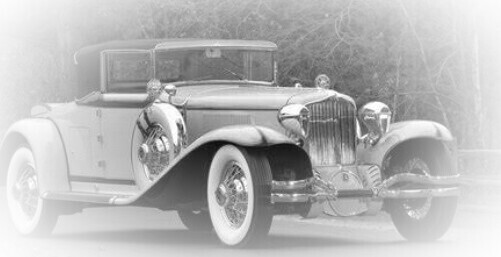
He trotted to a new Cord Phaeton parked at the curb and climbed in. My Durant sat nearby but, unfortunately, was facing the opposite direction. Considering the traffic and being pressed for time, I hailed a hack to follow the creep. We ended up at a parking lot along Market Street, south of Broad. When my chinch turned in to park his bus, I had the cabbie stop, got out, and paid him. Since I could see the Phaeton from the sidewalk, I casually set fire to a Chesterfield and sat tight.
In less than a minute the ginger emerged and walked north toward Broad Street. I shadowed him at a discreet distance. He strolled as a man without a care in the world. Then he bounded up the steps into City Hall. That name of his I couldn’t recall crept closer to my recollection.
I followed my mark inside. He walked along the hall to the elevator, pressed a call button, and waited. Because I didn’t want him to glaum my presence, I stood across the wide corridor where I could observe the thing’s floor indicator. When he entered the lift and the doors closed behind him, the car stopped on the second floor. I took the stairs there as quickly as my legs could carry me up them. As I emerged into the second-level hallway, the flame-top was traipsing the marble floor. Again, I trailed him at a distance until he turned into one of the city government offices.
…the car stopped on the second floor. I took the stairs there as quickly as my legs could carry me up them.
Not wanting to bump into him, I paused in the passageway outside the door labeled CITY PLANNING COMMISSION. Just as I did, a comely young woman came out of the office.
“Excuse me.”
“Yes?” she replied sweetly.
“My name is Joe Daly. I’m supposed to meet a fella in there about a proposed development project.” I chuckled with as sheepish a grin as I might muster. “Unfortunately, I can’t remember his name. I don’t want to offend him or embarrass myself by not knowing it when we get together. I was wondering if you could help me.”
“Well, there are several men who work in the planning commission offices. I’m not sure—”
“He has red hair, is around this tall,” I illustrated, using my hand to show height, “and wears spiffy suits.”
“Oh, that’s Mr. Croxton. Samuel Croxton. He’s the only man in the office who fits that description.”
Bingo! That was the name that kept eluding me. “Yeah, that’s the guy! Gee, thanks! I feel much better now!”
She walked away. I stalled by adjusting my tie, tugging down on my coat, and shooting my cuffs until the woman disappeared around the corner.
So Samuel Croxton was the bloodsucker menacing Mrs. Hurst. I’d heard of the man. He was a mid-level cog in the city’s corrupt political machine, known for his showy suits and even flashier dames. That was the connection through Wilburn Croxton back to Feryne Hurst. And I was aware of where Sam lived.
Slightly over a year earlier, a rumor circulated concerning a scandal involving the jerk. It seems a young lady—and by “young”, I mean underage, and the term “lady” is a vast improvement on the actual character of the person involved—was heard screaming in the hall outside Croxton’s apartment. When other tenants responded to the commotion, they found the female at his door under the intoxicating influence of some substance or other and bereft of clothing. The authorities were summoned. After an enterprising newshound tried to report the incident in his column, city hall quickly swept it under the rug. Yeah, I knew where Samuel lived: Pembrook Manor Apartments.
At this point, I figured the civil servant for a relative of the dead photographer. However, before paying a visit to Croxton’s residence, I needed one more piece of information to clarify the situation. I hustled out of City Hall and moved north on Market to the Kenworthy Building, where attorney Abe Birnbaum kept shop. Abe had helped me get my start in the PI racket. He’d also fed me a couple of cases along the way. I was sure Birnbaum could steer me in the direction to go to learn what I sought.
…before paying a visit to Croxton’s residence, I needed one more piece of information to clarify the situation.
In the counselor’s outer office, his secretary, Anna Stadleman, greeted me amiably as always. She advised her boss that I needed a moment of his time. He appeared at the door to his inner chamber and invited me in. With as little detail as possible, I told him what I was after from the Probate Court. Birnbaum telephoned his contact in that department, a Dewey Reid. When the lawyer explained what information he desired, Mr. Reid promised a quick return call.
During our brief wait, we chinned about how my private detective agency was faring.
Abe’s blower rang. It was Reid. After a mostly one-sided conversation, Birnbaum cradled the receiver. He folded his hands on his desk and said, “The probate records show that Wilburn Croxton died intestate, meaning he had no last will and testament. That means his assets were distributed according to our state laws. Since in this case Wilburn had no spouse or children, his estate goes to any other relatives. His only living relative was his younger brother, Samuel.
That resolved how the compromising photographs of Feryne came into Sam’s possession. They must have been among the older brother’s effects when he died.
I thanked Abe for his help and left. I hoofed it to Broad Street where my bucket was parked. The temperature had climbed, rain had moved into the area, and the remaining slush was melting. Crawling in behind the wheel, I cranked its motor and pointed it toward the Pembrook apartment building.
* * *
As I drove, I mulled over the matter thus far. It was not surprising that the thug in this case worked in a municipal office with a reputation for extorting bribes from developers for project approvals. The backroom payoffs apparently weren’t enough to satisfy Croxton. Heading north through the city, I also tried to figure the best gambit to get the photographs from the scoundrel with as little hassle as possible. By the time I cut my crate’s motor and it hiccoughed to a stop in front of his place, I still wasn’t certain how this would play out.
While considered fashionable and elegant by the local population, Pembrook Manor lacked a doorman. Instead, it boasted only a system of buttons at the main entrance by which a visitor had to be buzzed into the premises by its residents. I found Croxton’s moniker beside the one labeled Four-Oh-Six. After making sure nobody was around to gum up my shenanigans, I pressed several of them, avoiding the floor connected with Samuel’s flat. More than a few unsuspecting tenants responded to allow me entry.
Upon stepping into the lobby, I saw an open staircase which stood in the place of an elevator. It was the only drawback the building had. So I started my ascent. On the fourth floor, I strolled the wide hallway until I deduced the joint’s layout. Somewhere along the passageway, someone practiced on a saxophone. Or, perhaps, a cat’s tail had gotten caught in a washing machine wringer.
My target’s abode was at one end of the corridor. A small sleeve beside the doorjamb held a piece of paper on which was typed SAMUEL CROXTON. Though somewhat isolated, it was not a location that allowed for the commotion of a forced entry. Besides, I didn’t want my pigeon to know of my visit.
After a minute of contemplation, I left the building and drove to a speakeasy, the Hotsy-Totsy Club, in a seedier part of our metropolis. I was in search of a mug to help with my dilemma. His handle was Murphy. Digger Murphy, to be exact. He was a dip, a pickpocket I’d made the acquaintance of during an overnight stay as a guest of the city when I had been wrongfully accused—of course—of being the instigator in a minor dustup with a bail jumper. Murphy was aware of the racket I was in.
I left the building and drove to a speakeasy, the Hotsy-Totsy Club, in a seedier part of our metropolis.
* * *
After some verbal bobbing and weaving with the bouncer at the gin mill’s door, I gained entrance. I ordered a Jack Daniels at the bar, then turned and scanned the joint just to size up matters. It was crowded and noisy, so much so that I could hardly hear myself drink. Looking around, I estimated no other egg in the place besides me wore a clean collar. The man I sought held court at a corner table. I grabbed my glass and sauntered in his direction.
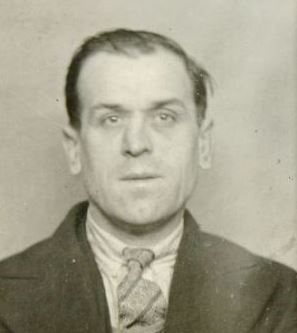
When I approached, Digger was regaling the lugs with a story, “…then this bindle punk whines to the judge, ‘I’m tryin’ to think but nothin’s happenin’!’” Laughter broke his flow before he picked up the tale. “So the judge says–.” His narrative got interrupted once more, this time by my approach. More accurately, his audience’s reaction to my arrival disrupted it. They eyed my suit and pushed back from the table as if to leave. The chortling cutpurse tried to calm his cohorts, “Relax, gentlemen, this here is my pal, Gil Tanner. He ain’t a bull.” Despite those gathered breathing a collective sigh of relief, they disbanded. All but one, that is. Murphy’s nondescript face took on a smirk as he watched their retreat.
I sat down and greeted the purloiner and the remaining hanger-on. Murphy introduced the other guy as Eugene Newsome, whom he said everyone called “The Crawler.” I shook the whipsaw lean fellow’s hand. He held the grip loosely. Aside from a single eye, which toed outwards and lent him an eerie look, the gink had no other remarkable qualities.
“Sorry to break up your party, Digger.”
Murphy smiled. “No problem. They get nervous around suits. Same thing’s true of uniformed men with brass buttons. So, what brings you to this neck of the woods, Gil?”
“I’m working on a case that may necessitate the help of your specialty. I need you to lift someone’s keys long enough for me to gain access to their place without giving away the fact that I’ve been there.”
As an aside, Digger disclosed to Newsome my line of work and that he’d offered his services if ever I required them. This seemed to pique The Crawler’s interest. My pal laughed, remarking that Eugene also did odd jobs and stuff for folding cash. When I asked what kind of things, the rangy stranger merely shrugged and repeated the word “stuff.”
With that, I turned my attention to Murphy, but hesitated because of Newsome’s presence. The pickpocket noticed my reluctance. “Hey, Eugene, how’s about gettin’ us another round.”
As Digger dug around for his dough, I stopped him. “Here. Let me get these. And make mine a Jack Daniels neat.” I gave The Crawler a buck.
My pal reached across the table and took hold of his companion’s arm. “Gil’s gonna want his change back.”
The scrawny fellow nodded before he stood and ankled away. Digger’s eyes followed the bandy-legged guy to the bar, then shifted to me. “Don’t mind The Crawler. He’s generally all right. The galoot’s an excellent source for talk on the street: who’s done or doing what, when, and who with. But Eugene likes to hit the pipe. When he does, he could screw up a one-car funeral. He’s been putting the bite on me all day. Pretty much any cash he lays his hands on goes up in smoke.” Murphy leaned back in his chair, folded his arms across his chest, and asked, “So, who’s your target for this dip?”
“Pretty much any cash he lays his hands on goes up in smoke.”
It was a fair question and deserved a straightforward answer. I felt certain I could count on Murphy to keep things confidential. I glanced around before leaning over the table, then answering. “It’s Samuel Croxton.”
“Since I only know of one such named goon, I assume you mean the ward heeler connected with City Hall.”
Detecting a reticence in his tone, I acknowledged his correct assumption but, trying not to sound apologetic, assured him, “It will only be a one-shot play. I just need you to pilfer his keys long enough to give me time to get into his place, find what I’m after, and dust.”
He waggled his head and ran his fingers through his dark, tousled hair, which had begun a brisk retreat since I’d first met him. “Sorry, Gil, but no can do. Ya see, less than a year ago, Croxton was my mark one afternoon. I didn’t know him from Adam. Unfortunately, when he reached into his pocket for his wallet, he shook mitts with me. I tried to make a getaway, but the red-headed bastard held on to me for dear life until a copper showed up. Not a large bird, but wiry, ya know?”
He paused and rubbed his rough, unshaven chin in contemplation. “If I remember right, I think I was in the hoosegow for that pinch when we bumped into each other. Anyway, that jerk caused a commotion when the judge gave me only thirty days. So he knows me on sight and is wise to my game. I couldn’t get within a mile of him without his hackles bein’ raised. Besides, he’s politically connected and draws a lot of water downtown. You’re askin’ for trouble. The kind I don’t need.”
As Murphy finished giving me the bad news, Newsome returned with our drinks. The scrawny stranger laid my change on the table, then reluctantly pushed it to me.
“Keep it,” I offered. While the man gave me a grateful smile, Digger shot me an odd expression. Turning to him, I said, “Well, I’m sorry to hear it, but I appreciate your position. Neither of us needs to put ourselves behind the eight ball. But I absolutely have to get into his flat. So I’ll have to rethink how to pull this off.”
“Do you mind a suggestion?” Murphy asked.
“Not at all.”
“Why not just pick the lock on his door?” he urged.
Despite my experiences to this point in my private detective odyssey, lock picking was not something I’d encountered. “I’m unfamiliar with that,” I admitted.
“Well, it’s time you picked up a new trick,” he chuckled. I wondered if his statement intentionally included a pun. “So I guess you don’t have the tools for the job then.” I shook my head. “Do you know what kind of latch is on the door?”
“As I recall, there’s no keyhole on the doorknob contraption. Above it looks to be a deadbolt lock.”
“Okay. That’s the startin’ point. You familiar with Monk’s?”
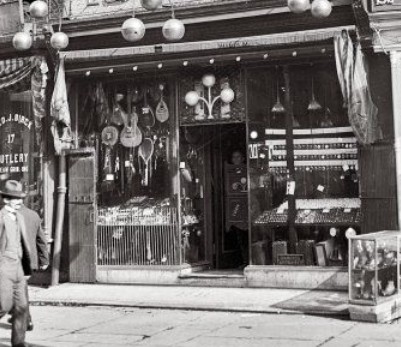
“Yeah.” Monk’s was a hockshop I’d heard my old man mention occasionally. It was usually when he needed drinking money. The joint wasn’t necessarily on the up-and-up and dealt dubious items from a back room. I had already availed myself of a few of his wares.
“He’ll have what you need. I’ll go with you to make sure the fat chiseler doesn’t dupe you. You got your car?”
“Yeah.”
“After we finish our drinks, let’s take a run over there. If we find what we’re looking for, we can go back to my bedsit, and I’ll teach you how to use them.”
As I sipped my Jack Daniels, I resigned myself to adding yet another “skill” to my fast-growing repertoire as a PI. It was quite a résumé I was building.
* * *
On our way to the pawnshop, we dropped The Crawler off at what Digger said was a juju house. Eugene was a stranger to me, and at this point, the less he knew concerning my current case, the better.
* * *
Forty minutes later found the dip, me and Monk standing in the latter man’s back room. Murphy advised the obese proprietor what I was looking for without giving any details of its intended purpose. The huckster rummaged through a box on a shelf and produced a little bag. He handed it in my direction, but Digger intercepted it. My pal looked over its contents before returning them to the shop owner.
The huckster rummaged through a box on a shelf and produced a little bag.
“Try again,” the dip said quietly, extending it to the shopkeeper. His tone lacked menace, conveying only determination.
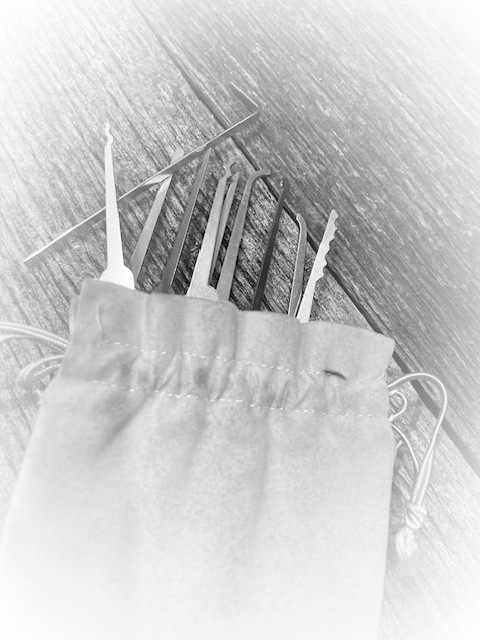
With a sly smile, Monk wiped sweat from his brow and returned to the container. Then, he produced a small cloth drawstring pouch. This time, he gave it to the pickpocket, who examined it carefully. My pal nodded and handed it to me. As far as I knew anything concerning the things, they looked okay. When I asked the pawnbroker how much, he quoted a price. Owing to my companion’s presence, the less-than-forthright shopkeeper appeared to be momentarily reformed. From the corner of my eye, I saw Murphy nod. I paid the man, then inquired about firearms.
Digger snickered. “You’re takin’ this caper a lot more serious than I expected. I’m glad I didn’t sign on for it.”
“Nah. I’ve just realized over the course of my last several jobs I need more than a sap for protection. Right now, I have the dough to get what I want, and I’m here.” I purchased a .45 caliber automatic and some ammo.
We piled into my heap and headed toward Murphy’s digs, a cold-water walk-up in a tenement on the lower east side of town.
* * *
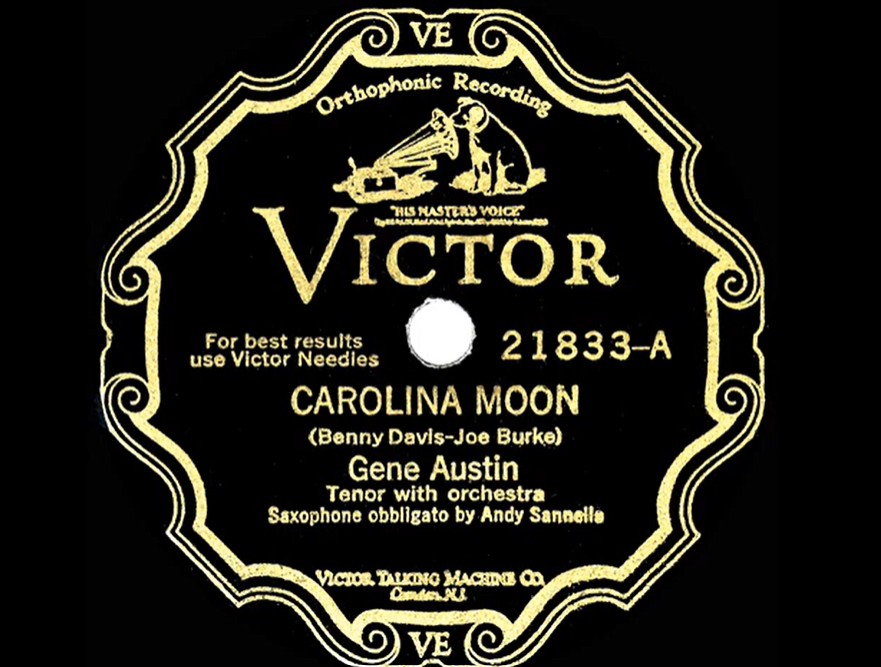
Inside his apartment, I retrieved the lockpick implements. Digger took them from me and tried to explain what each item was best used for. It was Greek to me. He told me to follow him. We stepped back into the hall. From other residences, radios blasted discordant programs and competed with a Victrola playing Gene Austin’s rendition of Carolina Moon. My buddy ignored the cacophony and strolled to the door of a neighboring flat.
“This here place belongs to Chuck ‘The Eel’ Gedes. Know him?” It seemed everybody involved in our city’s criminal element had a nickname. Following my head shake, he shrugged. “Doesn’t matter. Gedes is a tall, very skinny roughneck whose special talent is slippin’ through narrow spaces to commit burglaries. Through small windows, through or under fence gaps, even down a chimney a time or two. Let me show you how to use these on his door.” He caught my surprised expression. “The Eel won’t mind,” he chuckled. “He’s in the city cooler right now for tryin’ to ply his trade too soon after a big meal, gettin’ stuck in a window, and nabbed by a copper poundin’ his beat.” Murphy knelt before the door. “He doesn’t usually lock the place, unless he’s got swag stashed. Otherwise, there’s nothin’ inside worth stealin’.”
When I crouched beside my “mentor”, the lesson began. I admit to a level of nervousness during the session, but no one appeared in the hallway to interrupt us. In short order, Digger tried to show me the trick of combining an understanding of locks and the fingertip feel necessary to manipulate the tools. For his practiced fingers, it was easy. Then he had me try my hand on the entrances to two other apartments, both of which he said were vacant and secured. I went through multiple tedious efforts, bending two picks in the process but never quite got the hang of the technique.
Finally, the dip admitted I was a hopeless case at this point in my lock-picking foray. We adjourned to his bedsit again. After a lengthy discussion, I convinced Murphy to accompany me to Pembrook Manor just to get me through Croxton’s door. He said no. To make the job less of a risk for him, I suggested the cover story that, if we were somehow caught, he could explain he’d found me trying to pick the lock and stopped me. That proposal relieved him somewhat, but he was adamant that he would not enter the apartment. I agreed to his demand.
Before I left him, Digger explained the difference between the mechanisms I might encounter and what he termed a spring lock. For these, he said I only needed a piece of hard celluloid. He retrieved one from his chest of drawers and gave it to me before demonstrating how to manipulate it between the jamb and the latch to open the door. But he was pretty certain the entrances to the Pembrook apartments required the tools I’d purchased. Murphy never elaborated on how he came to such knowledge, and I knew better than to ask.
It was too late in the day to go snooping around Croxton’s building without the risk of running into him. He need never lay eyes on me. I believed I had to strike during the workday when I figured his place would be empty. He’d probably be on his way home by now if not there already. I told Digger I would contact him when I was ready to make a move on my target’s flat.
* * *
On my way into the Belvedere Building, I snagged a copy of the final edition of The City Chronicle from the kid hawking them on the corner. In the office, I laid the rag on my desk and started a pot of java on my hotplate. As I sat down, I realized the intriguing scent Feryne Hurst had worn that first day still hung in the air. It remained a haunting fragrance. Even now, it seemed a perfumed promise of trouble that was just beginning to unfurl its lethal petals. Though I didn’t mind, I shook its effects from my head.
… I realized the intriguing scent Feryne Hurst had worn that first day still hung in the air.
My habit involved bypassing the newspaper’s initial sections, typically laden with dull nonsense, and proceeding directly to the sports coverage. My three interests in the world of sports were boxing, bangtails, and baseball. I began following the Cincinnati Reds when just a kid. Maybe it was my soft spot–one of the very few I have–for underdogs. My Reds always seemed to finish their season at or near the bottom of the National League standings. The World Series had been completed the day before Mrs. Hurst hired me. The Philadelphia Athletics beat the Chicago Cubs in five games for the championship. No Cincinnati Reds were injured during the series.
I had no interest in football. So I moved on to the comics section. Buck Rogers and Tarzan were up to their usual exploits. A new comic strip character, Popeye the Sailor Man, had recently appeared. It proved to be only okay. Bored and restless, I gave up on the newspaper.
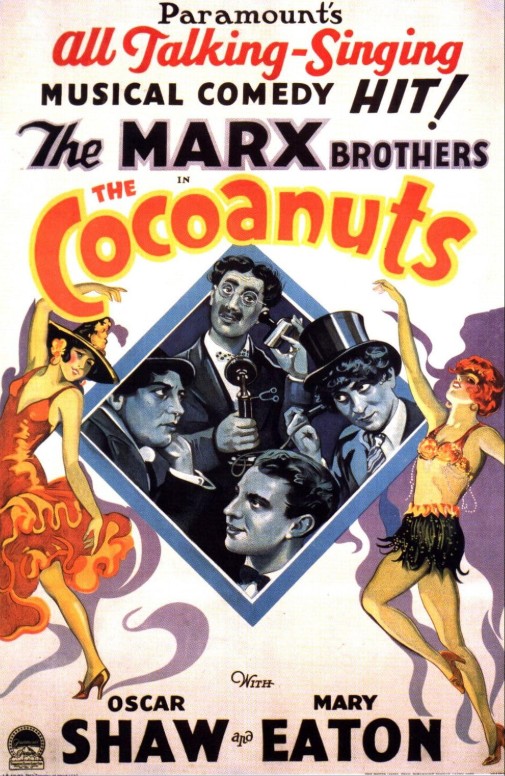
As I turned the pages back to the front, I passed an advertisement for the new flicker, The Cocoanuts, starring the vaudevillian comics, The Marx Brothers. The ad proclaimed it to be an “all Talking-Singing musical comedy.” It brought to mind a statement supposedly made by film producer Irving Thalberg, who’d been labeled “The Boy Wonder” by Hollywood. He was reputed to have said, “Novelty is always welcome, but talking pictures are just a fad.” As with my ability to pick a lock, time would tell.
Folding the newspaper, I tossed it toward the wastebasket. When I did, a headline I’d overlooked on the front page caught my eye. I retrieved the daily and perused the article. It related that a testimonial banquet was to be given for His Honor the Mayor. With the level of corruption that existed in our City Hall administration at the time, I use the term “Honor” loosely. The soiree was scheduled to kick off at nine p.m. the following night in the Orchid Room, the swanky nightclub in the St. James Hotel, which the incumbent political machine had rented for the occasion. I surmised Croxton would not let the opportunity to rub elbows with the influential figures at the gathering pass him by. It might provide my best chance to frisk his flat.
I was able to reach Murphy at the Hotsy-Totsy Club and arranged to pick him up the next evening.
* * *
Plenty early the next evening, we drove to Croxton’s apartment building and found his Cord Phaeton in a side-street parking lot marked as reserved for Pembrook Manor residents. Positioning my Durant on the street where I had a clear view of the automobile, we settled in.
Positioning my Durant on the street where I had a clear view of the automobile, we settled in.
We didn’t have long to wait. The heel appeared, dressed to kill. That term, under these circumstances, made me snicker. Mrs. Hurst thought it was what she wanted, but it wouldn’t have resolved the issue of her photographs still being out in the ether. Sam hopped into his chariot and sped away. I gave him half an hour to clear the area before grabbing my flashlight and making my way inside his building with Digger nervously on my heels.
When I sought entrance by use of the buzzer system at the front door, I again didn’t press any buttons for the fourth floor. The last thing I needed was a tenant there stepping into the hall looking for an unexpected visitor while my companion was working on Croxton’s deadbolt lock.
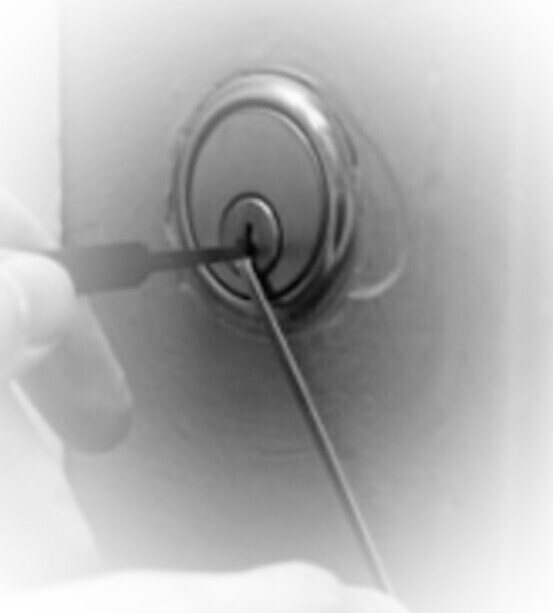
On Samuel’s level, the corridor was empty and quiet. I listened at the entrance to Four-Oh-Six for any indications–talking, footfalls, noise–of anyone inside. There were none. After disabling the light bulbs in several sconces to darken that end of the hallway, I held my flash while cohort worked on the deadbolt lock. In no time at all, Digger had the door opened. During the brief time he worked, not a soul appeared in the hall. I gratefully assumed they were either out on the town or glued to their radio receivers for whatever programming was available on Saturday night.
Easing inside, I stood in a foyer illuminated by a table lamp. The aroma of expensive cigars and even costlier bourbon was poised in the air. I turned to the doorway to my left and hit a wall light switch there. A few lamps came on and revealed the space to be a living room, dining area, and a small kitchen. On further search, I determined the only bedroom, holding a wardrobe, and a bathroom were through the opening to my right.
I started with the bedroom side of the flat. The bathroom yielded nothing beyond the usual items to be had in a fop’s water closet. From the array of cologne bottles, I imagined Croxton gave the dames he courted a run for their money with fragrances. Likewise, the armoire held only the splashy suits he was known for. I pawed through the contents of the chest of drawers and the dresser and came up empty. My search beneath the mattress and the bed itself yielded another goose egg.
In the kitchen, I rifled through the cabinets, even the icebox and oven. Nothing.
When I moved into the living room and approached the bookshelves there, I suddenly smelled whiskey over my shoulder. It was pleasant. Its source was not.
I started to turn when a man’s voice harshly commanded, “Uh-uh. Don’t move or I’ll blast ya. Raise your mitts.” I felt my cheeks burn as I complied. My captor walked around to my side. The person in question was Samuel Croxton. A fedora shadowed his narrow face. His entrance must have been masked by the noise I made frisking the kitchen. His right hand rested in the side pocket of his suit coat. Something in it pointed at my gut. “I guess it’s a good thing Thigpen sent me home to get papers he wants to look over this weekend. Who the hell are you, bub?” His appearance conveyed to me that he possessed a cautious nature.
“Don’t move or I’ll blast ya. Raise your mitts.” I felt my cheeks burn as I complied.
I swallowed to keep my voice steady. “I’m a mug you didn’t count on.” As I spoke, I gave the pocket containing his hand a quick study. Either I was in a world of hurt, or he was trying to pull off the oldest bluff known to man.
His thin lips shaped a sneer. “You’re not a copper.” It came out more as a statement than as a question.
“You’re gonna wish I was a cop.” He wasn’t a big guy. And I had to do something. “Why don’t you give up the gag and pull that empty hand out of your pocket?”
“Oh, it’s holding a gun, friend.”
“Yeah, I believe you. Millions wouldn’t, but I do,” I said sarcastically. “No, I’m not a lawman. Some powerful people sent me to collect photographs worth a lot of money. Cash they aren’t willing to split with you. Then, I’m supposed to kill you and make it look like a burglary.”
“Who are these–?”
“It doesn’t matter. Hungry dogs are never loyal.”
His face took on an uneasy expression. “You rodded?” I shrugged. No sense in making it easier for the punk. “Hand over your gat.”
“Come and get it.”
With his left arm, Croxton reached for me. I grabbed it, jerked him toward me, and slugged him hard, immediately retracing the punch with a solid backhand. He twisted frantically to thwart the blows, but I was heavy and strong enough to make them count for something. His coat ripped as he tried to free his empty right hand. Sam fell back over the living room sofa, stunned.
The man’s frantic eyes shot sideways. He suddenly launched himself to his left toward a wooden desk, tore open a drawer, and reached for something inside. I jumped over the divan and threw my weight against the drawer. Croxton screamed in pain as it slammed into him. He yanked his hand free and fell to the floor in agony. I retrieved a revolver from the drawer and stood over him. He tried to get up. I put a heavy foot on his chest and forced him down onto the carpet. “Don’t mess with me, Sam. I’ll beat you to a pulp, lock you in a trunk, and help people look for you.” He looked as if his tumbrel had arrived. I grabbed his injured hand and bent his thumb back hard. “Where are the pictures?”
He yelped in pain but remained defiant. “You’re so smart, find them yourself!”
“I sense there’s a compliment somewhere in there.”
“You’re a piece of shit!” he yelled.
“Ah, there it is.” Croxton wasn’t a big man, but Digger had been right; he was tough for his weight. I cocked the gun and put it to his forehead. “Anyone you need to say goodbye to?”
“You won’t kill me, or you’d have already done it! And if you kill me, you’ll never find what you’re looking for.”
“Possibly. Or maybe I’ll just hurt you enough that you’ll spill your guts before begging me for death.” I bent his thumb harder. Something in it snapped. Following a loud moan, he passed out. Now I returned to searching for the pics of Mrs. Hurst. And I was only slightly certain they were even in the apartment. But I had to hurry. A neighbor might have heard the commotion and called the PBX operator downstairs to contact the police. After gagging Croxton with a kitchen towel, I used a cord I ripped from a floor lamp and tied him up.
My chief focus shifted to the desk. I searched the deep top drawer where the roscoe had been and came across nothing of interest. I closed it. The one below it was locked. Returning to the kitchen, I got a large butcher’s knife. The thing gave way when I used it to pry open the drawer.
The thing slid open only a couple of inches before jamming. It didn’t give no matter how hard I jerked on it. In desperation, I removed the top drawer. Setting it aside, I reached into the space and felt around. Some sort of packet protruded upward in the cavity and caught on a crosspiece, blocking it from opening. My hope skyrocketed. I removed the obstruction. It was a large, sealed, unmarked envelope with adhesive tape around its edges. Apparently, it had been secured to the back of the upper drawer and dislodged and dropped when I slammed against it. Feryne’s name was scrawled across it. Was it Wilburn’s handwriting? Or Sam’s longhand? I was uncertain.
I sat at the desk and, in the glow of a light there, opened the parcel. It contained a little over a dozen erotic pictures of Feryne and the materials with which to make copies. Paperclipped to them was a society-page photograph of the loving Hurst couple. I put them back in the envelope and resealed it with adhesive tape from a dispenser on the desktop.
I brought Croxton to consciousness long enough to confirm the bundle I’d found held the entirety of his blackmail material on Mrs. Hurst. Removing the gag, I asked the question. When he hesitated, I grabbed the same thumb. Anticipating my next move, he yelped that it was everything. The man had a very low pain threshold. I clipped him on the chin. His lights went out again. I returned the towel to his yap.
When I started to close the drawer, something else in it caught my eye. It looked like a journal of some sort. My curiosity got the better of me. I retrieved the book and thumbed through it. It proved to be a record of bribes and kickbacks paid to the planning commission by developers and builders, and the dates when the payments were made. The thing listed the payers’ names and the names of the office’s civil servants who took part in the divvying up of the ill-gotten booty, including Sam’s boss and department head, Otis Thigpen. It was a goldmine of information on the corruption in our City Hall, which apparently reached the highest levels. Along with the package I’d come for, I set it aside to take with me.
My curiosity got the better of me. I retrieved the book and thumbed through it.
While at the desk, I printed a note to Croxton regarding my finding and keeping the logbook. I assured him that if he ever contacted Mrs. Feryne Hurst again, I would turn it over to the state attorney general for prosecution and the newshawks for publication, in addition to revealing the source of the material. Then the corrupt, powerful politicians could dispose of him for his betrayal.
I tucked the two articles inside my coat and hustled out of the building to my Durant, fired up the engine, and sped off toward my boardinghouse.
* * *
In the downstairs hallway of my rooming house, I dialed the blower to reach my client. As it rang, my landlady, Mrs. Rearden, appeared. I got her attention, dug into my wallet, and paid her two weeks’ room rent while flush with a little cash.
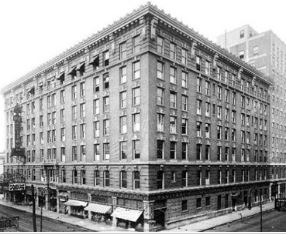
Finally, Feryne answered the telephone. I gave her the good news. I thought I heard her choke up. She said she had committed to social functions the entire next day and couldn’t get away. We agreed to meet at eleven o’clock on Monday morning in the Catawba Building’s lobby. Mrs. Hurst elaborated that her husband’s offices were on the second floor. However, James was leaving town that morning from Union Station at seven-thirty for an overnight business trip. He had given his staff the day off, so we’d have the place to ourselves. She had a key to let us in.
That night and the next, I slept with Mrs. Hurst’s pictures and Croxton’s diary under my pillow.
* * *
The first thing Monday morning, I drove to O’Malley’s Gym on Orchard Street. It was a hangout for would-be pugilists. My brother Marty and I had worked out there before he left home. When I started in the PI racket, I realized I needed a place to store stuff securely. Pop O’Malley rented me a locker which only he and I knew about. I stashed Sam’s journal in it until I might need it.
At ten forty-five, I walked into the Catawba’s timeworn atrium. I lit a Chesterfield, leaned against the big bronze mailbox mounted on the front wall, and waited. A few minutes before eleven, a guy approached me.
“Are you Gil Tanner?”
Not knowing what was coming, I pushed off from the wall and braced myself. “Yeah, that’s me.”
“I’m Joseph Carlston, manager of the Catawba Building.” We shook hands. “Mrs. Hurst is a friend of mine from way back. Her husband has his office here. Feryne called a few minutes ago and asked me to find you and advise you she was going to be late for your meeting. She apologizes and asks that you return and join her here at one o’clock. The last thing she told me to tell you was please don’t contact her right now. She’ll explain when she sees you.”
“Sure. No problem. Thanks for letting me know.”
So I had a two-hour wait before we were to meet. Usually, my motto was, “If you’re going to kill time, work it to death.” However, I lacked the inclination to visit my agency. Besides, Hurst made up my only pending case. On the verge of stepping outside onto the pavement for another smoke, I realized an unforeseen deluge had begun. Poking my head out, I surveyed the street, hoping for something to entertain me for a while.
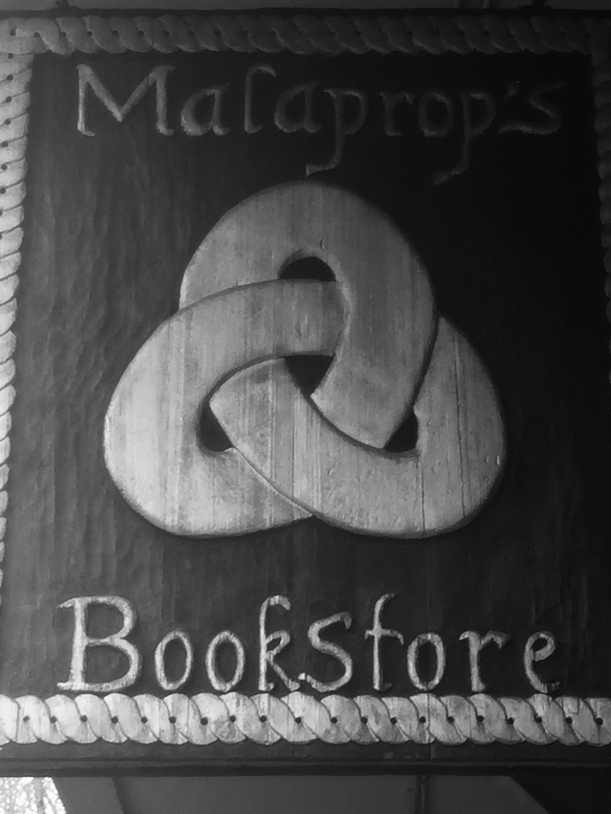
Three doors further down Audubon Avenue was a shop called Malaprop’s Bookstore. It looked promising. And I had an interest in researching an author whose short story, “The Girl with the Silver Eyes,” I’d read in a Black Mask magazine while waiting in my barbershop. Sans umbrella or trench coat, I stuffed Mrs. Hurst’s package in my waistband inside my suit coat. Trying to run between raindrops, I loped in the bookshop’s direction. Before going in, I shook the chilly rainwater off my fedora. When I did, I noticed a clock in the storefront window with a sign beside it, reading, “We always have the time for our customers.” Nice touch, I thought.
When I entered, a bell above the door jingled, announcing my arrival. The place had a cozy feel to it. A smallish, wizened old gentleman stood behind a counter, a book in one hand and a cup of tea in the other. He greeted me warmly, introducing himself as Micah Kaplan, the shop’s proprietor. Then he asked how he might help me. I gave him my name and told him I was looking for books by the writer of the short story. The shopkeeper advised he didn’t have any books published by this guy, Dashiell Hammett, in stock at the moment.
A smallish, wizened old gentleman stood behind a counter, a book in one hand and a cup of tea in the other.
Kaplan and I struck up a conversation about other authors and the literary genre that held my interest. The man inquired about my line of work. When I revealed I was a private detective, he smiled kindly, admitting he had always admired the puzzle-solving aspect of such employment and those who did it.
Micah suggested a cup of coffee, which I gladly accepted on such a wet, nippy day. The visit developed into an engrossing discussion about our metropolis. The fellow displayed an amazing knowledge of our municipality and its inhabitants, past and present, I reckoned truly the city historian might envy. He even knew of my old man. Given Godfrey’s talent for trouble, I didn’t dare to ask in what context, and Kaplan never elaborated. In a short time, we became fast friends. Before I departed, he offered his help if ever I should need background he had on the people or places that made up our burg.
Soon the time to meet Mrs. Hurst approached. I expressed my gratitude to Micah for the coffee and his company. He urged me to return any time I was interested in a book, a conversation, or information he might impart. I promised to do so.
* * *
Back in the Catawba’s lobby, I resumed my position next to the bronze mailbox. As I waited, I reflected on the irony of me stopping a blackmailer by committing burglary, assault, theft, and a form of counter-blackmail. I wondered if this would this be the ethical cost, the moral grayness of the career I’d chosen. Time would tell.
A few minutes before one o’clock, Mrs. Hurst rushed in. That same scent accompanied her. The lady’s face held a mixed expression, somewhere between anxiety and relief. Her eyes bulged at the sight of the packet in my hand. Upon seeing it, she picked up her pace and hurried to the elevator. Her now-familiar fragrance wafted to me as she passed.
In the lift, the lady asked my forgiveness for her not being on time. She attributed her delay to James’s deciding to take a later train for his business trip. The brunette looker said she was unable to get away until she saw him off at the station.
On the second floor, she unlocked the office door, and we went in. We sat at her husband’s desk. On it were several photographs of Feryne and her and James. Their devotion and happiness together was obvious.
I told her that the blackmailer was Samuel Croxton. The woman seemed oblivious to Croxton’s position in our municipal administration. I briefly explained that Sam was Wilburn’s younger brother and his only living relative. When the elder sibling died, his possessions passed into Sam’s hands. He must have somehow found the photographs and negatives Wilburn still had in his effects.
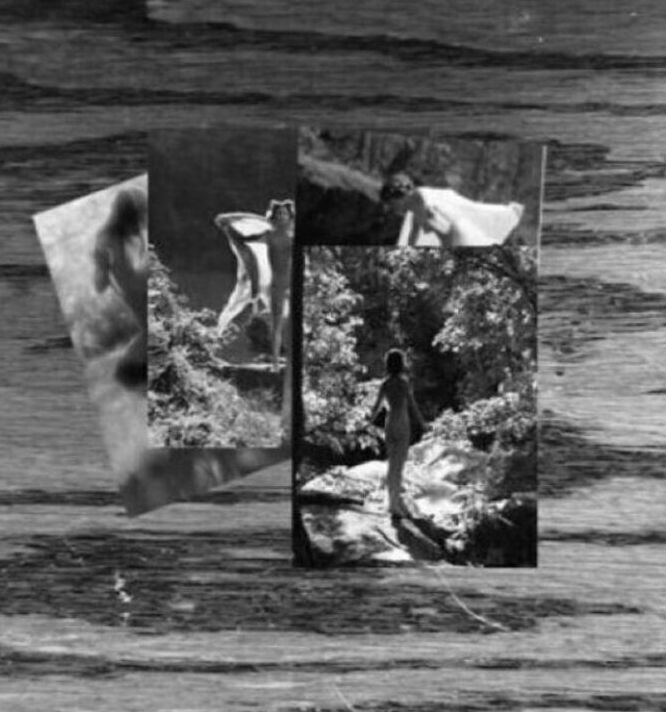
Assuring Feryne that I had recovered everything related to her problem, I handed her the bundle. She carefully opened it and spilled its contents out on the desk. Hurst unashamedly spread the photos on the work surface. She glanced up at me. I busied myself with lighting another fag. I didn’t need to glaum the snaps; I’d gotten an eyeful in Croxton’s apartment.
When she asked, I told her there was no further payment due me. I assured her she’d hear nothing more from Croxton. But if she did, she was to contact me immediately. I’d handle it. My client looked deep into my face, misty-eyed. “Now what?”
“Now … nothing. You have your pictures. Croxton has nothing to hold over you. You could go to the police, but I don’t think that’s what you want. Aside from his political influence that would probably run interference for him, you don’t want the exposure. I don’t think he’ll raise a stink with the law, because the crime he was trying to perpetrate would come to light. Plus, he took a beating and lost what he thought to be a windfall. Just let the whole thing die.” I didn’t mention Sam’s ledger of the bribes. Some things, Mrs. Hurst didn’t need to know. “There are some of God’s creatures you don’t see coming,” I put in feebly.
Her face hardened. “And lucky for him, some people are alive only because it’s illegal to kill them,” she added coldly. She caught me by surprise. The lady was a lovely, breathing contradiction.
Feryne gathered the fruits of my investigation into the envelope and rose from her chair. I also stood. She gave me a firm hug and thanked me once again.
We returned to the lobby, and Mrs. Hurst hurriedly departed.
I started toward my bucket. When I passed Malaprop’s, I ducked in and walked out with the latest tome from S. S. Van Dine.
As I drove to my office, I realized the intoxicating scent Feryne had worn when she first appeared at my agency door likely still lingered there. The memory of her loveliness waited for me, too. I didn’t mind. ©