
Monday, July 29 – Tuesday, August 6, 1935
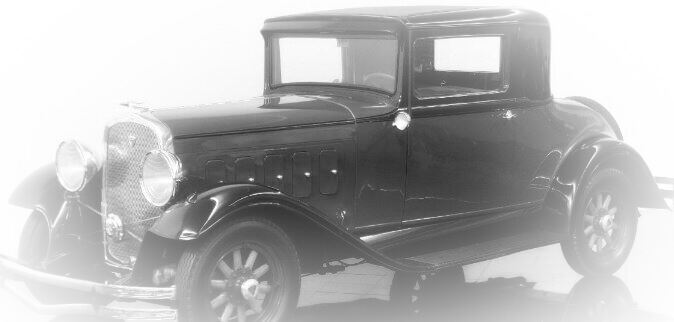
Just ahead of eight o’clock, I was standing on the steps leading to the Atlanta Police Department’s clubhouse. In a matter of minutes, a maroon Hudson 2-door coupe with Jim behind the wheel drew to my side of Decatur. “You ready for some adult refreshment?” he called to me as I ankled in his direction.
“Sure am!” I nodded a greeting to the reporter in the passenger seat.
“You wanna climb in here with us or follow me?”
By this time, I was standing at the driver’s window. The pair already looked cramped without adding my bulk to the compartment. “I’ll shadow you.”
“Where’s your car?”
“Across the way,” I said, jerking my chin in its direction.
“If you’re game, let’s go nibble a couple!”
They waited until I’d fired up the LaSalle and pulled out. After following them through a number of turns, the coupe parked on a dark road in a very modest residential neighborhood. I drew to the curb behind them and met the men at Greerson’s heap. We strolled along toward a frame house with several people quietly milling around in front.
On the porch of the residence, a bear-sized man stood by the entrance. He had a big, high-bridged, fleshy nose and wore a hat at least two sizes too small. The big fella nodded at Jim and Matt, but gave me the once-over with undersized brown eyes. He held an enormous mitt up to me. The detective turned back to him. “It’s all right, Tiny. He’s with us.” The ironically named man dropped his hand to his side and smiled halfheartedly as we went inside.
The big fella nodded at Jim and Matt, but gave me the once-over with undersized brown eyes.
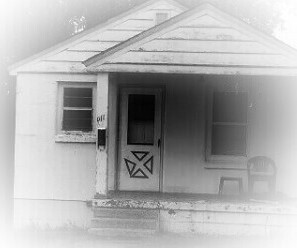
The large front room, lighted by kerosene lamps sitting on high wall shelves, was sparsely populated by several men and women in various stages of sobriety. They were scattered around on a few straight-backed wooden chairs, mingled with two worn, stuffed chairs. Nearby sat a table holding a radio, from which radiated a rendition of Smoke Gets in Your Eyes. To one side of the space, a wide, rough plank, supported at either end by a tall sawhorse, served as a bar. Behind the makeshift counter was a tall, rawboned man who looked as if he were beyond caring. Against the wall at his back rested a dilapidated breakfront. The shelves of the cupboard were filled with what turned out to be an assortment of old jars around the size of pony glasses. I had seen nothing like this since shortly before my state ratified the repeal of Prohibition.
Grimes and I stood by while Jim walked across the room and, in hushed tones, spoke to the barkeep. The rangy guy then reached inside the sideboard and retrieved three jars, setting them on the board. From the lower part of the cabinet, he produced a bottle of a clear liquid and poured a generous amount into each jar. The bull paid the man, picked up the “glasses,” and rejoined us.
“Let’s move toward the rear of the house,” he suggested, as he handed us our drinks and navigated to a door at the back. The second chamber, similarly lit and also with few occupants, was much the same as the previous one. Continuing, we passed through a portal in a location on the back wall that matched the first.
As we walked, the big investigator explained the building was referred to as a “shotgun house,” so named because they are one room wide, with the rooms situated directly behind each other. They were connected by identically placed doors rather than with a hallway. If a shotgun was fired in the front entrance, the charge would go through all the other openings and exit the back of the building. He elaborated the structures were very popular in his neck of the woods. I’d heard of them, but they weren’t as prevalent in my hometown.
In the third space, we found three empty chairs and settled them around a small table.
Greerson raised his glass and proposed a toast. “Here’s to Matt and Evie and a long, happy marriage with as many little ones as you want. And may you live long enough to be a burden to them,” he laughed.
“Best wishes to you both, Matt,” I echoed.
After we touched glasses, the copper slammed downed his liquor and let loose a loud, satisfied exhale. Likewise, the newshound put his drink to sleep with one punch. Recalling the lesson I learned on Silas’s porch about hooch in this part of the world, I took as large a sip of the unknown liquid as I dared. It made a rough passage through my gullet, spreading fire and mayhem as it traveled downward. “That’s powerful stuff, Jim,” I gasped.
…I took as large a sip of the unknown liquid as I dared.
He chuckled loosely. “Mm-hmm. Turner calls this ‘Mountain razzle dazzle.’ We call it ‘block and tackle.’ You take a drink, walk a block, and you can tackle a tiger!”
“True,” Matt added, “but most around here just call it ‘chicken liquor’.”
“Chicken liquor?” I huffed.
“Mm-hmm. Take a big enough slug of the stuff and you’ll lay anywhere–in the gutter, on a curb, on a sidewalk.” We shared a laugh.
When I asked about the need for a pour house considering ratification of the Twenty-first Amendment, Grimes chimed in with an explanation. He started by stating Georgia, deep in the heart of what was now being referred to as “the Bible Belt,” had yet to fall in line with the Volstead Act’s being scrapped. But, facing a dire economy and sustained advocacy from Prohibition’s critics, the state legislature approved the Alcoholic Beverage Control Act in March. The act called for a statewide referendum on the issue of repeal and tasked the State Revenue Commission with drafting new regulations to govern the sale and distribution of alcohol. “Until such time as that might occur,” he concluded, “blind tigers and such continued to quench the public’s thirst.”
During this discourse, the booze started having two effects. For one, spiders began spinning cobwebs in my skull. At the same moment, my bladder filled to the point my teeth were singing Anchors Aweigh. When asked, Greerson directed me to an outhouse in the backyard. I made the hike.
… spiders began spinning cobwebs in my skull.
I returned to find the Atlantans going at each other concerning the upcoming college football season. “Tech doesn’t stand a chance against Georgia,” Matt urged, thumping the table lightly with a fist. Jim scoffed.
I took my seat, where another drink awaited me, and asked, “What’s all the noise about?”
Looking at me, then to his friend, the flatfoot jeered, “Aw, the scribbler here thinks his Georgia boys are gonna stomp my Georgia Tech football team when they meet in late November. Mark my words, Coach Williams will have ‘em ready!” When I merely chuckled and shook my head, Greerson sat back in his chair. “You don’t follow college football?”
“No. My sporting interests revolve around baseball, boxing, and bangtails. I can’t see the college gridiron as anything to get worked up over.”
I intended my words to be only my view of things. However, silence enveloped my two drinking buddies as the city sleuth shot me an odd expression. He silently freed a coffin nail from his deck, tapped it on his thumbnail, and stabbed it into his mouth. After a shoulder twitch, he removed the cigarette, leaned forward, let the fag fall to the table, and exhaled audibly. “What I’m going to say, Gil, is just my opinion. But I believe it’s one that’s shared by many people in this region of the country.
“You need to understand the War Between the States emasculated the Southern male. Around the time we might have recovered some, this depression hit. It’s undermined us all over again. A couple of years ago, thirteen regional schools came together and formed the Southeastern Conference. A bunch of folks hereabouts hope that maybe the strength of this new football league will give us something of pride once more. Time will tell.” His voice was friendly, but firm.
At that moment, I recalled a bit of the history of two of the teams that had helped form the new league. Alabama, making their first bowl appearance, had stunned the Washington Huskies 20–19 in the 1926 Rose Bowl, scoring all twenty of their points in the third quarter. With the victory, the Crimson Tide was awarded the National Championship.
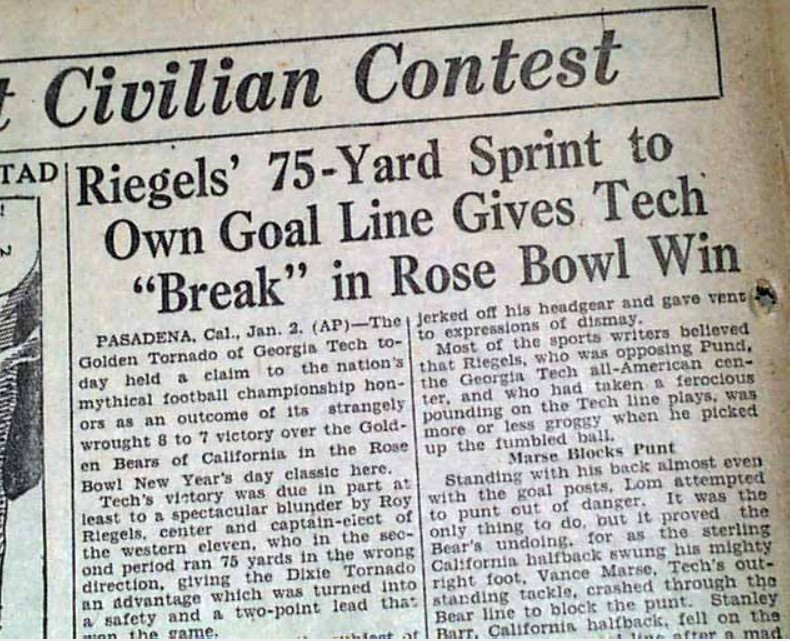
In the 1929 Rose Bowl, Greerson’s Georgia Tech team, then known as the Golden Tornado, defeated the California Golden Bears by a score of 8–7. I remembered the game because of a play by Cal’s All-American center Roy Riegels. The young man scooped up a Georgia Tech fumble and ran in the wrong direction towards his own goal line, earning him the dubious nickname, “Wrong Way”. The two-point safety on the ensuing punt proved to be the margin of victory. It, too, had been the first appearance for Georgia Tech in a postseason bowl game. Two organizations named them National Champions.
In the 1929 Rose Bowl, Greerson’s Georgia Tech team, then known as the Golden Tornado, defeated the California Golden Bears by a score of 8–7.
And just that past January, Tulane University, another of the charter members of the new conference, had won the Sugar Bowl.
Hey, I admitted I don’t follow college football. That didn’t mean I don’t read about it occasionally in the sports pages, including a few past articles regarding the conference’s formation several years earlier. Maybe Jim was on to something concerning this new organization. As best I could, I realized where he was coming from. “I get your point and understand, Jim. No offense meant,” I conceded.
“None taken.” He picked up the discarded cigarette and lit it. Then he lifted his glass, and I mirrored his action. Grimes did as well. After a sip of his potent liquid, he inquired, “So, let’s get down to the business that brought you’re here. I assume you found the hotel and got checked in.”
“Yeah,” I snickered. “And the General Wright is everything you promised.”
“Well, you set the parameters,” he countered, grinning. “So, how’d you spend the rest of your day? Did you make any progress in your quest?”
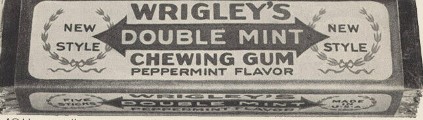
Before responding, I pulled a Chesterfield from my pack and offered a gasper to the newsie, who eagerly accepted. The Atlanta detective chuckled. “Matt here is trying to quit. His future in-laws don’t approve of smoking, and he never lights up in front of them or Evie. I’ll bet, if you search him right now, you’ll find at least one pack of Wrigley Double Mint gum somewhere in a pocket. It’s his pacifier.” Grimes smiled sheepishly as I set fire to both smokes. The other drew smoke deep into his lungs and released it slowly.
Returning to Jim, I described my day’s efforts based on Gladys having worked at Goldfarb’s, followed by the outcome. Matt interjected there were a number of lesser department stores scattered around the city, such as the Kress Store and a place called the Muse Clothing Store.
The Atlanta gumshoe recognized the uphill challenge I faced and asked, “Is that everything you have to go on, Gil?”
“Her work history and that copper-colored Studebaker. That’s pretty much it.”
“Have you thought of anything else I can do to help?”
“No,” I sighed heavily. “Thanks. Believe me, if I think of something, I get in touch.”
We had another drink and called it a night. Three must have been my limit of Turner’s concoction, because the fog in my brain grew in intensity. I barely remember following Greerson’s Hudson to police headquarters. From there, I assured him, I could find my way to the hotel. Luckily, against the odds, I managed to do so.
I barely remember following Greerson’s Hudson to police headquarters.
* * *
The next morning broke on me with all the joy of a state funeral. I awoke with the taste of a trashman’s sock in my mouth. It was nothing that a pound Colgate tooth paste couldn’t cure. Besides, I never let self-inflicted wounds, such as drinking, keep me from my “appointed rounds,” as the mugs in the postal service say. I drowsily got myself ready to face the sultry Atlanta day.
At the front desk, I inquired of the ubiquitous Jack how to locate the two businesses Matt Grimes had put me onto when we were at Turner’s. Though he’d heard of them, he wasn’t aware of where they were in the city. As I left, I noticed a pair of broads in the lobby who, by their makeup, dress, and demeanor, appeared to be pro skirts. Both smiled and gave me come-hither looks. If they weren’t chippies, they were missing an excellent opportunity. For obvious reasons, I didn’t bother asking them for directions to the stores.
During a relatively late breakfast at an eatery called Smith’s Restaurant farther down Mitchell from the hotel, I asked the strawberry blonde waitress, Maude, if she knew of the Muse and the Kress joints. She said a girlfriend of hers worked at the S. H. Kress store, which was on Peachtree Street. The Muse Clothing place was on the same thoroughfare. Although she wasn’t sure of the addresses, the bim told me the latter establishment was closer to the lower end of the road than the former, nearer where several major streets intersected. That was enough information to give me a good start on my day’s objectives. I thanked her and left a large gratuity.
…I asked the strawberry blonde waitress, Maude, if she knew of the Muse and the Kress joints.
* * *
As I motored along Mitchell toward the main business district, a familiar light-colored sedan fell in behind me. This palooka was becoming a nuisance. Because I didn’t need or want him shadowing my moves in trying to find Brubaker, I was determined to lose him.
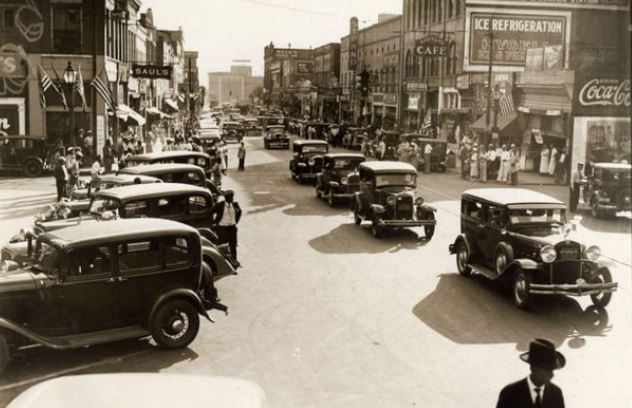
The trailing crate followed every turn I made. At one point, I saw a woman with a baby buggy crossing from my side of the street at an intersection ahead. A large long-haul truck was approaching from the opposite direction. I estimated I could shift lanes, pass the pedestrian, and return to my lane before the oncoming machine reached us. Gassing my LaSalle, I swerved hard to the left and accomplished the maneuver as the lady froze in place and screamed in terror.
The Desoto couldn’t track my move because of the advancing vehicle. He had to make a last-minute right turn at the intersection, tires screeching, to avoid hitting the woman and her child or crashing into the truck. I sped up and turned left on the next available street. Then I floored it to get as much distance between us as possible. My stalker disappeared from view, at least for now.
* * *
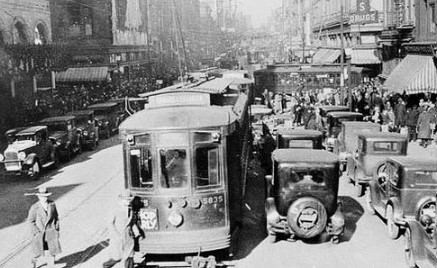
By the time I reached the main artery in downtown Atlanta, I’d decided the smart play would be to park my heap and use a streetcar to negotiate Peachtree Street. I did and grabbed the first trolley that came along. Easing up to the motorman, an average sized man named Parrish, I asked for help in finding my objectives. The affable fellow deftly managed his vehicle among cars and pedestrians while explaining the George Muse Clothing Store was just a short distance away.
Easing up to the motorman, an average sized man named Parrish, I asked for help in finding my objectives.
After a brief ride, he signaled me, pointing to a storefront and coming to a stop. I thanked him for his help and scrambled off the car. Then, I checked a couple of nearby five-and-dimes before proceeding to my primary objective. None of the establishments produced Gladys.
Stepping from Muse’s back into the early afternoon of sweltering Atlanta, I spied Detective Greerson coming along the pavement toward me. I hoped it wasn’t a mere coincidence. We shook hands when we met. “Any luck?” he asked.
“None, Jim. Please tell me this isn’t just a chance meeting and you have news for me.”
He removed his hat and ran a forefinger around the inside of the damp sweatband. “Well, I figured finding you here was a bank shot, but one worth taking. Silas Stinchcomb left a message for you at my office this morning. The guy who took it thought it was somewhat cryptic, but I reckoned you’d make heads and tails of it. Here,” he finished, handing me a piece of paper.
From the scrawled note, I gathered the Stinchcombs had received a letter from Gladys yesterday. The doll is definitely in Atlanta, using the last name Rogers, her momma’s maiden name. She asked that any mail be sent to general delivery at the main post office in the city. In her note, their niece had said nothing about where she’s living or if she’d found work. They finished by asking me to stay in touch and assuring me they would keep in contact with me. After deciphering the message, I explained the situation to Jim.
“Listen, Gil, you seem like a right gee with a killer on your girl’s tail,” the big cop said sincerely. “If I can stop a murder from happening on my turf, I’m all in. I have a little spare time to give you. Is there something you need me to do to help with your search?”
“If I had a photograph of Brubaker or if her description–attractive, tall, with fair complexion, wavy brown hair worn long, and brown eyes–didn’t generally fit a third of the dames I’ve encountered since my arrival, I’d jump at your offer. But this appears to be a hill I’ll have to climb alone. I may need you to keep the mobster from back home busy later. For now, thanks, but no thanks.”
“So, what’s your pleasure, Gil? Do you want to continue frisking the department stores or do you prefer to stake out the mail depot?”
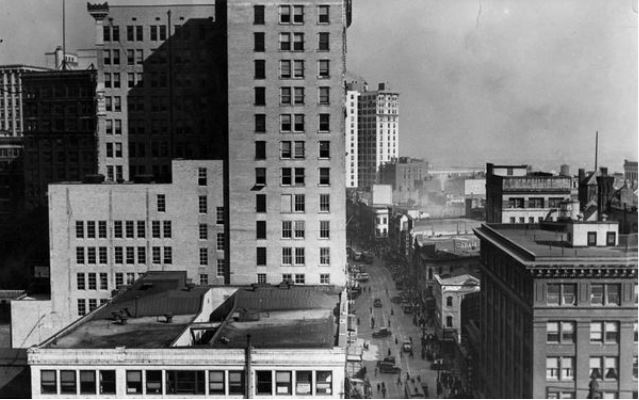
Decision time. I felt caught in the rain. Stashing out the post office might last a week before I hit pay dirt. Maybe more. On the other hand, fanning the retail joints could be a blind alley altogether. Though not the size of my hometown, Atlanta was still large enough to make such a search a long and thankless job. I glanced at my companion. The expression on the lawman’s kisser told me he understood my dilemma. I sighed heavily. “Where’s this place located?”
Though not the size of my hometown, Atlanta was still large enough to make such a search a long and thankless job.
“It’s over on Forsyth Street, not far from here. You want to grab your car and follow me over there?”
“Yeah. Let me do that.” He turned and started walking. I fell in step beside him. “Either way, I could be in for a long dry spell.” He nodded his understanding and pointed to his nearby Hudson. I told him I’d get my bucket and be right back.
* * *
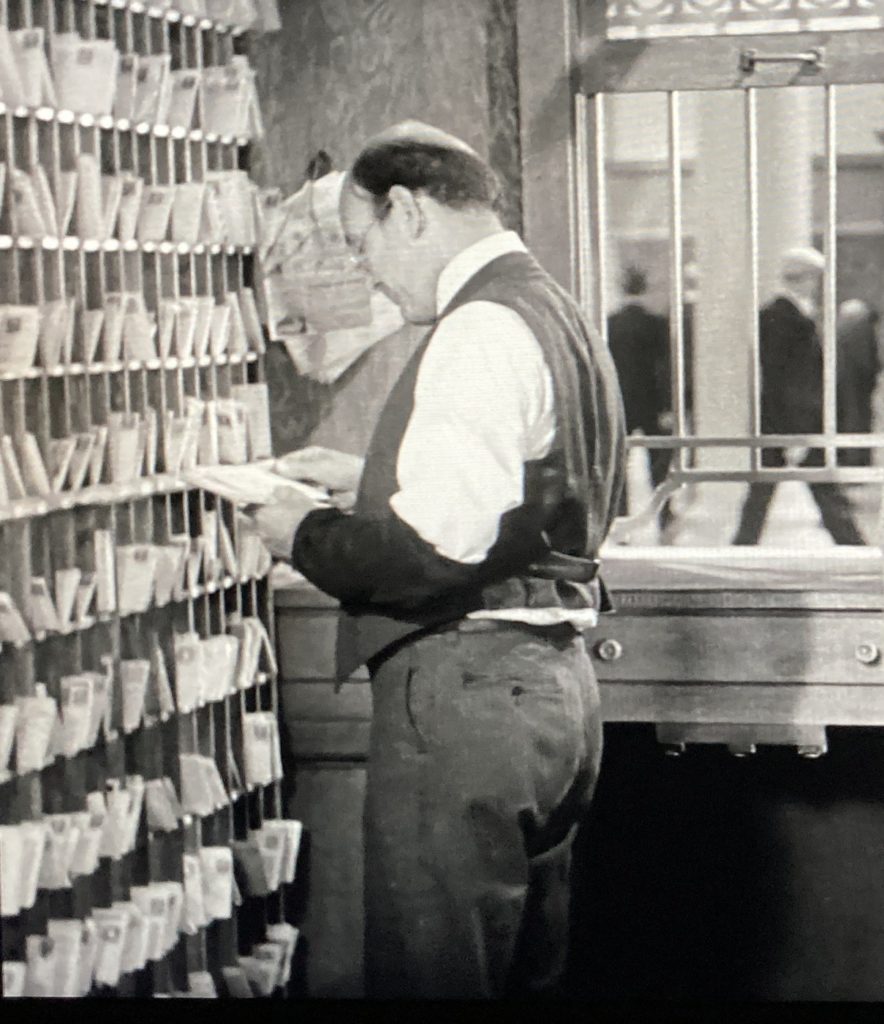
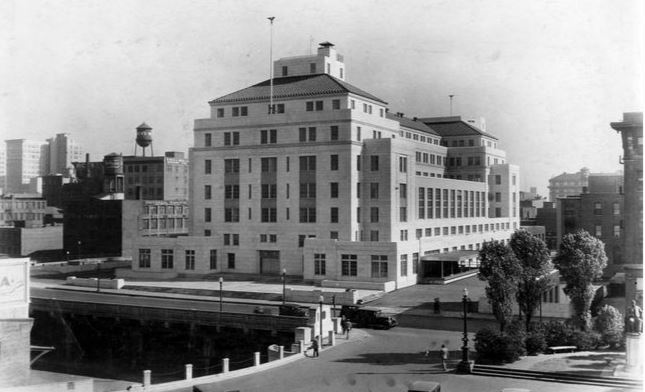
Greerson tossed me a wave as he drove away on Forsyth Street. I parked as close to the enormous classical-style marble post office as possible, walked the remaining distance, and climbed the steps to the entrance. Inside the lobby, I determined where the General Delivery window was, took a plant, and watched. The rest of the afternoon passed slower than a one-legged dog on tranquilizers. And, at the end of the day, I had nothing to show for the time.
When that section of the post office closed, I hustled to my boiler and the greasy spoon down from my hotel. On my way, I grabbed the latest edition of The Atlanta Georgian. Over a blue-plate supper of chicken and noodles with cornbread, I skimmed the broadsheet. As I perused the paper, I came across the name Mildred Seydell, which rang a bell from a big news story around a decade earlier.
Then there was a brief article on the maiden flight of the Boeing B-17 Flying Fortress. Between Mussolini’s saber-rattling and the ominous rise of Hitler, I feared we might need its services sooner than the designers had thought. Speaking of the Nazi regime, from New York came the story of how a group of communists had raided the German liner Bremen there, ripped the swastika from it, and threw it into the Hudson River.
After his appointment by New York Governor Lehman, the rag reported Thomas Dewey had been sworn in the day before as special prosecutor on an organized rackets inquiry. Good luck with that!
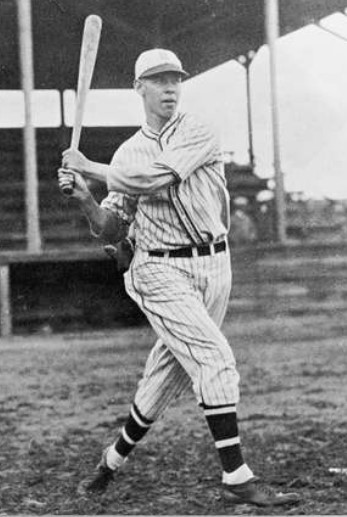
In the sports section, I found mixed news regarding my Cincinnati Reds. Despite the hot bats of Ernie Lombardi and Babe Herman, manager Chuck Dressen couldn’t seem to get the team out of the bottom half of the National League. On the bright side, I’d heard on the radio that the Redlegs had beaten Harry’s Cardinals 6 to 5 earlier in the day. Though sorry I wasn’t at home to give my old friend a hard time about it, I took my victories when and where they came.
During the stroll to my hotel, I heard heavy footfalls behind me. I didn’t look back, but, if I stopped walking, they ceased. They restarted when I did. I quickened my pace, suddenly darted up the steps of a large residence, and spun toward my pursuer. He was some fifty feet to my rear. I got a good eyeball on the gorilla when he walked under a streetlamp before coming to a halt. There was no forgetting that puss. It was the same henchman who had bird-dogged Lucille when she’d left my office that Tuesday evening; the same thug who’d beaten her to death.
During the stroll to my hotel, I heard heavy footfalls behind me.
Quickly realizing the spot he was in, he turned his back to me and lit a coffin nail. The plug-ugly was as subtle as Mae West. Rage ran through my veins. I wanted to kill him right then and there for what he’d done to the Gillman girl. To hell with his shallow reservoir of impulse control, or however Daugherty had phrased it. I needed a measure of revenge for Lucille’s murder, but finding and safeguarding Gladys took priority. Afterward, I’d deal with this creature. I decided that our game of cat and mouse had to draw to an end soon. Possibly a fatal one.
* * *
In my room, I cracked open a bottle of whiskey from my suitcase, poured a generous serving, and took an easy swig. After that dose of Stinchcomb’s moonshine and the ‘chicken liquor’ at Turner’s, this was mother’s milk, if your mom happened to be named Jack Daniels. I sprawled on the bed, smoking, sipping, and contemplating if there was any better procedure to follow aside from ranking the same building the next day. I didn’t see any way around it.
* * *
The subsequent two days of surveillance proved no more fruitful than the first. Both passed at the same pace as some hayburners I had recently bet on. As I walked through the Ambrose’s lobby Wednesday evening, I paid for an additional three nights in my suite. My frustration drove me to partake of the booze I’d brought with me more than I should have that Thursday night.
* * *
A hard knocking on my hotel room door early Friday morning yanked me to consciousness. I got off the bed slowly, like an old man climbing out of a bathtub, and shuffled to the noise. My head felt as if I’d been on the losing end of fifteen rounds with James Braddock. I leaned heavily against the portal and asked, “What will it take to make you go away?”
A momentarily unfamiliar voice responded, “You don’t have enough.”
My cranium was still choked with fog. “Who is it?”
“Judge Crater.” At that point, I recognized Greerson’s strong, smooth tone. “Open up Gil. I have news.”
I unlocked and opened the door. The big flatfoot burst in like he was raiding the joint and followed me as I staggered to the bedroom and sat on the edge of the bed. Jim pushed his fedora back on his head, leaned his butt against the bureau, and folded his arms across his chest. I waited, trying to gather my senses.
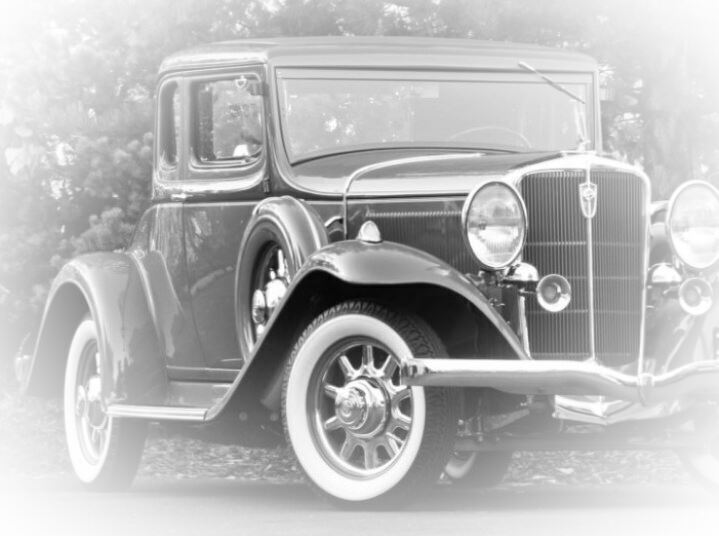
“There’s been something of a break in your case,” he started. “It may be picayune, but new information has turned up.” He had my groggy attention. “A patrolman came upon a copper-colored Studebaker sitting in a used car lot. Unless there’s been an odd demand for them out of Detroit, this has to be the crate your girl was driving. I’ve never seen one around here. That particular dealership is owned by a diminutive, shady character named Titus, who we’ve had our eye on for some time. He handles questionable paperwork, deals in hot cars. Anyway, when Officer McFadden questioned the bent crumb, he tried to play cute. Said his clients’ info was confidential.”
“A patrolman came upon a copper-colored Studebaker sitting in a used car lot.”
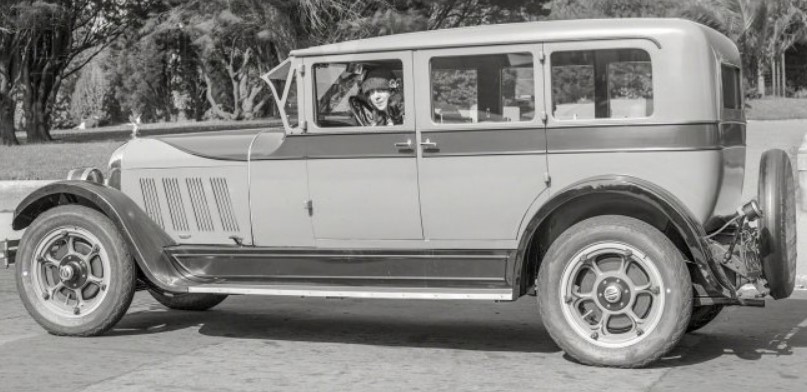
As I started to speak, Greerson continued and talked over my protest, chuckling. “Don’t worry. Hawley McFadden is not new to the force. He can apply ‘pressure’ with the best of them and had a ‘Road to Damascus’ discussion with Titus in the privacy of his office. The little pygmy finally spilled that a number named Rogers traded the Studebaker in for a tan and brown 1928 Auburn sedan several days ago. The crook is still grousing over the cash differential he paid on the trade-in. Apparently, this Brubaker woman is the smart cookie you described. But the bird swears he doesn’t have any additional information on her. No address, no work info. It was strictly a straight up trade with her getting a bit of cabbage in the deal. I’m not sure it helps much, but at least you know what kind of heap Brubaker’s driving now.”
I raked my hands over my stubbled face. “Yeah,” I muttered, “that is a good thing to know in case I lay my lamps on her and have to trail her in traffic. I just hope the goon who’s on our tails doesn’t tumble to the same dope. That’s assuming the Daugherty mob has connected Gladys to the Studebaker to begin with.” A question also rattling around in my skull was whether this scoundrel stalking me even knew what Brubaker looked like.
“Anything I can do to assist you at this point, Gil?”
“No. Thanks, Jim. You’ve been a great help, and I appreciate it more than I can say. If my need for your involvement changes, I’ll be sure to call on you.”
“All right then. Well,” he sighed, “I gotta hustle to another ‘ride-rob’ episode.” When I gave him a quizzical look, he described the incidents that had swept across the city lately. A driver stopped their automobile at a traffic light, for example. In short order, a pistol-wielding or knife-carrying bandit would be sitting in the seat beside them before the car’s operator realized what had happened. The robber then commanded the motorist to keep quiet and to continue driving.
When they reached the outskirts of town on some lonely road, the victim was mugged, very often assaulted, and, sometimes, their cars were stolen. If they were lucky, they’d be spared any further harm. Some were not so fortunate. The crime had made motoring in the burg, even during daylight hours, a hazardous adventure. He reflected that people suffering through hard times without jobs or hope often turned to criminal activity. On that, we agreed.
The crime had made motoring in the burg, even during daylight hours, a hazardous adventure.
After Greerson departed, I dragged my ass through the routine of getting ready to face another day on a stakeout. Following a quick breakfast, I motored to the post office, which I’d learned since “taking up residence” in it over the last several days, had been completed in 1933 by the Work Projects Administration.
* * *
Once more, I parked as close as possible to the building. As I was mounting the steps, out breezed my quarry, as casual as you please. Brubaker’s sudden appearance there stunned me to the point I was speechless, not that I would have tried to speak with her at that time. The twist was everything her photograph had depicted and more. She was quite a dish.
As I turned to follow her, my heart nearly slammed to a standstill! Below her, the Desoto rowdy stood in a cluster of folks who were waiting to cross at an intersection. Two things caused him to stand out in the crowd. Besides his enormous size and a face like a gnawed bone, which was made more memorable by an ugly scar over his right eyebrow, he was facing the opposite direction from the others.
Unlike the small throng, who were focused on the street, the slug scanned his surroundings while furtively glancing my way. I stopped and instinctively reached for my gat. As my hand rested on the warm metal, Gladys completed her descent of the steps, swung left onto Forsyth Street, and walked right past where her would-be killer waited. He could have extended an arm and touched her, but not one hint of recognition appeared on his kisser. That banished my concern regarding whether the reprobate even knew what Brubaker looked like. Neither did the girl show any reaction to his presence.
He could have extended an arm and touched her, but not one hint of recognition appeared on his kisser.
I copied the woman’s path down the steps, making the same turn to move along Forsyth at a respectable distance. I glimpsed over my shoulder and saw the toughie, decked out in a wide pinstriped suit and dark gray lid, pull away from the knot of people and take up a position some sixty feet behind me. Luckily, a fair number of pedestrians populated the street. I hoped it could keep him from surmising who I was tailing.
After a half dozen blocks, Gladys walked into a building on the corner. When I got to that point, I found it was a movie house called the Rialto. The box office was closed. With my shadow still a number of yards to my rear and unable to see inside the recessed entrance, I hustled to the door and surreptitiously tried the handle. It was locked. I stepped back out to the street where the hooligan could catch sight of me, lit a gasper, and emptied my lungs of smoke. Then I wheeled in his direction. The hood slammed on brakes and turned away from me, jabbing a cigarette in his yap. The jerk was going to smoke himself to death, working to avoid my glares.
Just as I was trying to figure my next move, Gladys reappeared in the ticket booth. She was preparing for the day’s opening. If this was her new place of employment, I’d know where to find her when the time came.
To divert attention away from her, I veered to my right, crossed the avenue, and pushed along Luckie Street. As expected, my tracker followed suit and fell in nearly a block behind me. At the next intersection, I made another right and picked up my pace as I plodded in the general direction of the post office and my LaSalle. After a distance, I passed the entrance to a structure I later learned was the W. D. Grant Building. From the corner of my eyes, I noticed that its marbled corridor appeared to lead straight through the building to doors on Forsyth Street. I came to a quick stop, reversed course, and entered.
On my way through the edifice, I quickly leaned inside an open elevator, pressed the button for the sixth level, then got out and bolted for the exit. A tomato in the car protested my actions. As the door depositing me on Forsyth shut behind me, the galoot bird-dogging me rushed into the opposite side of the building. I paused out of sight and observed him run to the car, whose door closed just before he reached it. The reprobate stepped back and watched the floor indicator. When it settled on six, he jumped into another lift and disappeared. Despite having tracked me over the road this far from home, his close-up pursuit skills still needed honing.
The reprobate stepped back and watched the floor indicator.
I trotted to my crate. During the jaunt, I spied his light-colored sedan parked on a side street. After moving my machine to a location a couple of blocks over from the Rialto, I walked to the theater, keeping my eye out for the scar-faced hood. Gladys was ensconced in the ticket stall, taking money from movie-goers for the early showing. Now, I had to kill time until she took a break or got off work to talk to her. To provide a measure of cover for my presence, I bought three vouchers for the late-afternoon running of the motion picture, casually mentioning meeting my wife and mother-in-law there.
Minutes before I would have had to use the tickets, another cashier replaced Brubaker in the booth. She disappeared before coming outside and walking to a cafeteria next door. I followed as unobtrusively as I could. Inside, I removed my fedora and watched her buy iced tea and something to eat, then settle in at a table. I sauntered a path through the crowd, quickly took the chair across from her, dropping my hat on a seat, and reached out to grab her hands, which were resting on the table.
“Gladys Brubaker,” I breathed, as she struggled to loosen my hold on her. Her face reflected the terror I’d expected, but she never uttered a sound. The table shifted slightly. I held fast. “It’s okay. I’m not here to hurt you. Lucille sent me to help you. She was worried about you.” Hurriedly looking around before returning my gaze to her, I added, “Please don’t make a scene. I need to talk to you.” Indicating the people in the joint, I proposed, “Do you think even Brian’s killers would murder you in broad daylight in front of this crowd?” After a second, she shook her head without conviction, but she settled down somewhat. When she stopped fighting my grip, I asked if she’d relax if I let go of her. She nodded hesitantly.
“Do you think even Brian’s killers would murder you in broad daylight in front of this crowd?”
Our little exhibition had attracted the attention of nearby diners. So, hoping to keep everyone calm, I released her and put my hands flat on the table. The others went back to their meals, though a few glanced our way occasionally.
Her first words surprised me. “Are you in the rackets?” she whimpered.
I chuckled, trying to relief her tension. “No. My name is Gil Tanner. I’m a private investigator from the city you recently left behind. The Gillman woman came to my agency and hired me to track you. As I said, she was very concerned about your safety. Lucille cared a lot for you.” Brubaker’s face changed to a sympathetic, understanding smile. Nothing more needed to be said along those lines. “Let me show you my credentials.”
When she gave me a faint nod, I retrieved them and handed them to her. As she looked the documents over, I offered, “I’ve been in touch with the police here to let them know who I am and that I was searching for you and why. You can contact Detective Jim Greerson at the police department, if you want to verify that.” I pulled a pencil from a coat pocket and wrote the cop’s telephone number on a paper napkin, which I pushed across to her. Then, I added, “Now, would the gangsters looking to kill you do that?”
She looked at the napkin and slid my identification papers back to me. “I guess not.” Her voice still held a measure of uncertainty. “So, how is Lucille? I was gonna contact her when I felt it was okay to.”
That was the first question I’d expected. Maybe the looker was initially only concerned with her own security.
“I don’t know any easy way to say it. Lucille is dead.” Gladys let loose a heavy moan. Her pretty brown eyes welled with tears. She sobbed into a wad of tissues she salvaged from somewhere. Though not reciprocated the same as Gillman, it was obvious she cared very much for her roommate. The darb dabbed her cheeks. After letting the horrible news soak in for a second, I continued. “One of Daugherty’s henchmen murdered her.” My tablemate gasped.
“In fact, her killer has tagged me since I left home.” Her face wrenched with anxiety as she quickly surveyed the dining room. I patted her hand. “It’s okay. I’ve lost him for now. The problem is, I don’t know for how long. My priority is making sure you’re safe. I’m still trying to crab how to keep him and the rest of his gang away from you permanently.” The frail relaxed somewhat. I glimpsed my strap watch. “Do you need to go back right away? We should talk over what we have to do to protect you.”
“It’s okay. I’ve lost him for now. The problem is, I don’t know for how long.”
“No. I’ve covered for Ruby lots of times when she’s worked at the cashier’s station,” Brubaker mumbled, her voice quavering. “She won’t mind a little extra time. Ruby’s good people.” She lit a cigarette and sipped her tea. Her hand holding the glass was shaking. The girl’s kisser took on that expression someone has when a thought suddenly occurs to them. “So, how’d you discover where I was?”
“At some point, you mentioned your aunt and uncle and Blairsville to Lucille. She left a note with the info for me to find. From there, it was a combination of smart detective work and dumb luck. The thing is, if I can locate you, so can the mob.”
After inhaling heavily and sighing, she questioned, “So, where do we go from here? Do I–” The joint’s door opened, and the girl jumped faintly.
I checked over my shoulder. It was an older couple coming in. Returning to my companion, I urged, “Easy, doll face.”
“Do I need to move on to another city?” she finished.
“No, you should be able to stay here. First, though, I have to stash you away until I can get rid of my stalker, either with Greerson’s help or by my own devices. Somehow, I’ve got to make the big lug play his hand out.”
Gladys was shaking her head while letting loose an exasperated sigh. “Can’t do that. I gotta work. What little I have tucked aside won’t last long. And that’s just the way it is, Phil.”
“Gil.”
“Gil,” she repeated in frustration. “Besides, what does my welfare matter to you?”
“It matters like this. I made a promise to Lucille. She–”
“Listen–”
“No, Sugarpuss!” I hissed. “You listen!” I drew a deep, quieting breath before continuing. “I owe it to her. And to you. And you owe her something, too. You need to understand Lucille died hard. She took a helluva beating without spilling where you might be.”
At that, Brubaker broke down completely. Again, I caught the glares of those at neighboring tables. “It’s alright,” I voiced as an explanation for her tears, “The lady just got bad news concerning a dear friend.” They appeared to accept my account of the situation and resumed eating with hushed conversations and only periodic glances in our direction. I let the bim across from me quietly sob herself out.
After a brief time, Gladys raised her face from her hands, cleared her throat uneasily, and swept her long blonde hair back. “I was fond of Brian before I knew what he was. By then, it didn’t matter if his playmates were not nice people. Vicious, really. I was head over heels in love with him. Amour fou, I called it. When he disappeared and was found murdered, I panicked.” She blew air. “That’s behind me now. Or so I thought. Regardless, I had hoped I’d never see any of those people ever again.”
“I was fond of Brian before I knew what he was.”
She averted her eyes to the hand fidgeting with the ring on her finger, then back to me. “I’ve made bad decisions. That doesn’t make me a bad person.” The woman was probing my face for confirmation. I nodded. Giving me a dull smile, Brubaker said she was glad the whole thing was ending one way or another. She confessed she was tired of dodging any stranger who glanced her way more than once. With every ticket she sold to a man, she wondered if he was someone looking to kill her. Then she fell silent again. Time lay on the air between us.
Gradually, Gladys returned to herself. “I have to get back to the theater.” She stared hard into my face. “What happens now?”
Though not absolutely certain of my next gambit, I suggested, “You return to work for now. Though I don’t believe this mug following me has made you yet, I’m going to hang around and keep an eye on you to make sure you get home safely tonight. Then we’ll plan our steps to get you out from behind the eight ball.” Something occurred to me I needed to tell her. “By the way, this punk who’s been following me drives a new, light-colored Desoto. Just so you’re aware. Where’s your Auburn parked?”
“It’s–. Say, how do you know what I’m driving now? Is that some of your ‘smart detective work’?”
I laughed. “More the ‘dumb luck’ part of the equation.”
She grinned. “Well, anyway, it’s in a lot a couple of blocks from here. And the box office closes at ten o’clock.”
“Okay. You go back to work, and I’ll watch out for our friend. When you get off, I walk you to your car and follow you home. Where are you staying?”
“I’m in a boardinghouse on Mitchell Street.” I’m sure my face reddened. Here I’d been searching what seemed to be half of Atlanta, and my target was holed up on the same lane as me.
We walked to the Rialto under threatening skies. The smell of rain was in the air. Thunder rumbled in the distance. Once Gladys was back in the cashier’s chair, I located a pay station close by to call Greerson and make him aware I’d found and spoken with Brubaker. After leaving a message with the desk sergeant, I took up a position across the street from the movie house.
After a while, a thunderstorm rolled into town. As usual, I was caught in a heavy downpour without an umbrella or a raincoat and was forced to take shelter in a storefront’s embrasure. Thankfully, the Rialto’s ticket booth was still in plain view through the deluge, which had seemed to hover over the city. Notwithstanding the economic doldrums that had enveloped the country, Friday evening apparently remained a big night for going to the picture shows. I must have checked the luminous dial of my watch a hundred times. Despite the discomfort of the circumstances, the time until closing passed with no additional problems.
Thankfully, the Rialto’s ticket booth was still in plain view through the deluge, which had seemed to hover over the city.
Gladys closed the ticket window and went inside. She reappeared moments later with an umbrella. I trotted across to her, getting hit by every drop of rain possible in the process. The theater’s outside lights extinguished just as I reached her. She was laughing at my drenched predicament. “Don’t you read the weather reports?”
“Obviously not,” I chuckled. “At least the rain is warm.”
“This way to my car,” she directed, offering to share her small umbrella and leading me along Luckie Street.
After a block or so, a severe flash of lightning lit the night sky, momentarily blinding and distracting me. When I recovered, I realized my companion had stepped back and away from me in surprise at the tremendous crash. In that instant, my nemesis had crept from an alley as we passed, grabbed Brubaker from behind, and slipped his hand into his lapel, retrieving an automatic. He held the roscoe to her head and started dragging her back while watching me. Struggle as she might, the skirt couldn’t get loose from his clutches. She was rightfully scared, her eyes wild in the diffused light. Around twenty feet separated us–too much distance for me to close without getting Gladys and possibly me killed by this loon. And I didn’t have a clear shot at the man.
Between powerful thunderclaps, he yelled to me in a heavy voice. “Stay where you are or I’ll kill her, Tanner! I swear I will!”
I’d put the girl in this deadly standoff, and I had to find a way to get her out of it alive. The wind-driven rain was lashing my face and playing havoc with my vision. I hoped it was having the same effect on the bum holding my helpless charge. Unholstering my gat, I called to him, “Who the hell is she to me? And why should I care if you kill her?” Over her screaming at me, I continued, “Go ahead! Kill her! And I’ll have three blasts in your brainpan before she hits the sidewalk!”
In the gravity of the moment, the blonde stopped shrieking, swooned, and dropped through the man’s arms to the pavement. The shocked gorilla let his gaze fall to his captive for an instant, then regained his thought process. Also stunned, I was slower to react than I should have been. We raised our rods simultaneously. I fired a split second before him. My round caught the man in his left shoulder with little apparent effect.
His first slug grazed my cheek, and the next struck me just above the hip on my left side. It burned as if someone had stuck a branding iron to me. That wound was through-and-through, and I hadn’t felt it hit any bones, but the impact spun me violently in that direction. I stumbled. When I hit the ground, I went in hard and landed on my right elbow, causing my .45 to spring free from my grip since I’m right-handed. It bounced to a point on the sidewalk just out of reach.
That wound was through-and-through, … but the impact spun me violently in that direction.
Laughing like a madman, my assailant tried to fire again, but his weapon jammed. He dropped it and calmly crossed to where I lay. As I scrambled for my automatic, he kicked me in the head. He stepped over me and reached my gun first, stomping my outstretched hand for good measure. The grinning lummox picked the heater up, stood over me, and took aim. I knew this was curtains and groggily bristled.
The initial blast was deafening. But I felt no pain. Amid the next five loud cracks in rapid succession, I realized the shots were not coming from my gun being fired at me. Blinking away raindrops as best I could, I looked up at the big man. He jerked and twisted in Gladys’s direction. His suit coat showed four bloody holes across the back. He flailed helplessly at his spine as he fell. I glanced at the woman. A handful of clouds enveloped her briefly as she lowered the gangster’s handgun to her side. She’d somehow managed to clear the killer’s weapon. The heavy rain made quick work of the smoke.
My gape returned to the wounded thug lying supine beside me. Bodily fluids, mixed with the storm’s runoff, flowed from beneath him, as unChristian-like mutterings came from his mouth. His words were wet and garbled. He was drowning in his own blood. Then, his cries became more sporadic before his lips moved wordlessly. Finally, he moaned a death rattle. It crossed my mind that I’d have to re-evaluate the ability he’d had to track folks.
The rain-soaked doll shuffled to me as I recovered and got to my feet. Taking hold of the barrel, I eased the gun from her grip and slid it into a coat pocket. She pulled away from me, bent over the dead hooligan, and shouted, “You’re not so damned much now, are you, mister?”
I’d quickly learned just how fierce a gal she could be. Gladys was a humdinger, all right. Most of her shots had connected, which was damned good marksmanship, considering the circumstances. But killing a man is never an easy proposition, even for someone somewhat accustomed to situations that bring it about. I expected her to fall apart. When I turned to her, she swirled around to confront me, shot me a look so sharp you could shave with it, and slapped me hard. Then, she fell into my arms, sobbing uncontrollably, overcome by emotions, exhaustion. I walked her to the cover of a small awning.
But killing a man is never an easy proposition, even for someone somewhat accustomed to situations that bring it about.
After a few minutes of crying into my shoulder, the blonde pulled back and looked up into my face. Through the darkness, two pinpoints of light shone as Gladys’s eyes glistened with tears. Her hands were shaking too much to hold a cigarette. I lit a match for the two gaspers I had put in my kisser. The light gave me a better look at her. I watched Brubaker’s cheeks flush and her lips part slightly. She had taken on a softness, perhaps a sadness I didn’t expect. I slipped one of the smokes into her mouth.
After filling her lungs with smoke and releasing it, she asked, “What do we do now, Gil?”
“Now we call the law.”
“The law? You’re a fool,” she whispered without spirit.
“It’s irrational not to notify them. I’ve already left a message for Detective Greerson telling him I’d located you. And he knows the story behind my search for you and that a killer was tailing me. Think it over, Gladys. If a man from the city we’re both connected to turns up murdered in here in Atlanta with no reasonable explanation, do you expect they’ll just shrug it off? No, we’ll be number one on their hit parade. Besides, your shooting of him was righteous. You saved my life.” I looked back at the dead goon. “No. We go to the police and tell them the truth of what happened.”
* * *
“And she stopped the guy from killing me, Jim. Pure and simple.” It was sometime well after midnight, probably just before dawn. The coppers had already taken me for treatment of my wounds, confirmed to be nothing more than soft tissue damage to my right side, and transported us to the Atlanta Police Department Headquarters building. There, they fingerprinted both Gladys and me. That was after they had given the death scene a thorough going over. I was sitting in an interrogation room, relating to the bull for the third or fourth time what had transpired on Luckie Street. It was an old ploy coppers everywhere used. Get the suspect or witness to repeat their version of events several times to see if the story changed, if there were any discrepancies. I took no offense from it. “As I said, he gave her no choice. What she did was justified.”
It was an old ploy coppers everywhere used.
“That’s pretty fair shooting for a dame, don’t you think, Gil?” His eyes were cold, his voice low. Despite the friendliness he’d shown me, Greerson was still a cop through and through, determined to have the truth. I reckoned he was bent on making certain I hadn’t killed the dead man and then conspired with Brubaker to lay it off on her, figuring they’d go lighter on a woman.
“Hell, yes, I do. When I asked about her surprisingly accurate shooting, she explained that her Uncle Silas had taught her how to handle guns during a period of tomboyishness she’d gone through years ago. They were lessons she never forgot, apparently. Then, when Beaudin came along, he expanded her knowledge to include automatics.”
Jim looked at the paperwork in his hand, then gave me an up-from-under look. He lifted his hip from the corner of the table and stretched to his full height. “Sorry to make you go through it so many times, Gil. I just had to be sure I got the facts straight.”
I took his words as calling an end to his interrogation of me and stood. “It’s jake by me, Jim. I know how the game is played. Besides, my mother used to say, ‘The truth has no problem with being questioned. It’s lies that are offended by being challenged.’”
“Well, your story stacks up with Brubaker’s. And it fits with the preliminary physical evidence at the scene. Your fingerprints and Flaherty’s are on your .45.” From the papers on his body, the police had identified the dead lug as Sean Flaherty. Neither his intended target nor I had ever heard of him. “Flaherty’s and the girl’s prints are on his automatic. Yours are, too, but on the barrel from when you took it away from her afterwards. Also, there’s the location of the shell casings that match what you say happened.
“Flaherty’s and the girl’s prints are on his automatic.”
“The coroner’s gonna do a postmortem examination the first thing in the morning. A match of the slugs in him to his gun should sew it up. So I guess the two of you can go for now. But don’t leave town until I get the okey dokey from the higher ups. Come back tomorrow afternoon, and, hopefully, I can release you to head home then.”
I agreed, and he escorted me to the station house lobby. Along the way, Jim gathered Gladys from a room where she sat with a dour-looking policewoman. Greerson repeated his conditions of release to her, and we continued to the atrium where the copper and I shook hands again.
When we stepped outside, the darb and I found the thunderstorm from the night before had moved on, leaving the streets washed clean and the air more humid than ever. To the east, the blistering sun was rising over the Atlanta skyline. A police car was waiting to drive us to retrieve our heaps.
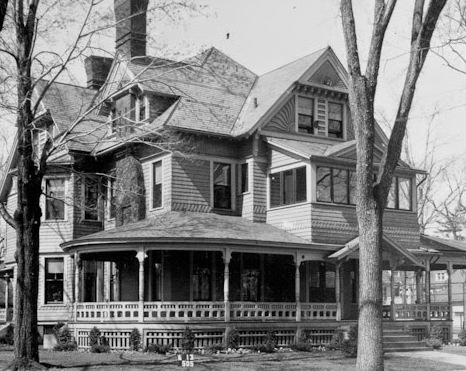
After we were dropped at my LaSalle, I drove Brubaker to her Auburn. Then, I followed the girl to her rooming house. The sign out front read “Mildred Davenport’s Boardinghouse for Women.” Gladys climbed out of her sedan and approached me before I pulled away. The blonde’s kisser held an exasperated expression.
She threw a foot up on my running board and fretted. “I realize you’re exhausted, but can we talk for a minute?” I nodded, grateful for the opportunity. Despite the crying jag earlier on the sidewalk, I was still concerned for the girl’s emotional well-being. “Let’s go in to the parlor. Mrs. Davenport won’t mind.”
Seated on a Victorian settee, she explained she was convinced the death of her attacker the night before was not the end of her troubles. I’d already considered that likelihood. A notion to address the issue had been banging around in my skull for the last hour. It might be a longshot to get the cooperation of the folks here, but, if they went for it, it should take the target off her back.
A notion to address the issue had been banging around in my skull for the last hour.
However, I held off sharing my idea with her just then. “I’m going back to see Detective Greerson this afternoon. When I do, I’ll propose something that could resolve your problem and take the heat off you,” I said. “Right now, you need sleep. I promise to get back to you after I speak with him.” She flashed a brittle smile and agreed to let me talk to the police about my plan. I couldn’t read her face or eyes. I touched her hand. “Are you sure you’re all right, Gladys?” She looked at me with a blank expression. “You took a man’s life tonight, even if it was justified.”
“No. You’re wrong, Gil. I shot a bastard who needed killing, regardless of his threat to you. I’m fine.” Her eyes were cold, hard, determined. Her voice was resolute and unemotional, leaving nothing more to be said. That night I’d come to understand just how hard a bark Gladys Brubaker was made of.
I left for my hotel and some much-needed rest.
* * *
Back at the Ambrose, I paid Jack room rent for another day and told him to call my suite at one o’clock that afternoon to make certain I was awake. Upstairs, I fell across my bed and slept the sleep of the dead.
* * *
Two-thirty found me again standing in front of the desk sergeant at police headquarters. It was the same officer I had encountered the previous Monday when I’d arrived in town. He recognized me when he glanced up. He said Greerson was waiting and directed me to a nearby door. Passing through the doorway, I walked along the short hallway to the Detectives’ Division.
Jim was sitting at his desk. He rose to greet me in a very friendly fashion, which I took to mean good news regarding the department’s stance on the incident involving the shooting death. When we were seated, he opened a file. “A couple of developments have come up since last night, Gil. First, we’ve learned more of Sean Flaherty’s background. He did a federal stretch for a violation of the Mann Act several years ago. And he was the suspect in two killings in Cleveland. They were thought to be murders-for-hire, but the authorities never could pin anything on him. Around that time is when he shifted his expertise to your city.”
The copper lifted a paper from the folder. “The medical examiner removed the four slugs from his body. They matched his automatic. So that’s another corroboration of your stories.” He perused the document, then glanced up at me. “Flaherty had a tattoo on his arm that read Ex Gladio Equitas. I looked it up. It translates as ‘Justice from the sword.’ In his mind, no doubt, an apt motto for a paid assassin, though I questioned the ‘justice’ aspect of his work.” Laying the autopsy report aside, he finished, “I spoke with Chief of Detectives Poole and Police Chief Sturdivant a short time ago and presented everything we have on the case. They’re satisfied with no charges being brought and are gonna clear things with the district attorney. So I reckon that wraps things up for you and Miss Brubaker.”
I leaned over his desk toward him and lowered my voice, though the area was pretty much void of humans. “Not quite, as I see it, Jim.”
He moved forward and rested his elbows on the work surface. “Oh yeah?”
“Well, Flaherty didn’t achieve Daugherty’s objective. So my guess is the mobster will send someone else to finish the job. That will put Gladys on the spot and another murder on your plate.” When he started to speak, I raised a restraining hand so I could continue. Greerson settled back to listen. I’d explained my somewhat outlandish idea to help Brubaker and end this thing once and for all.
“That will put Gladys on the spot and another murder on your plate.”
He chewed on a pencil as I spoke. When I finished, he tossed it on his desk. “Three things come to mind. First, will it work? Won’t you have a helluva time getting this Daugherty fella to believe it?”
“No. He’s too sure of himself and his organization. I think it’ll succeed if all of those involved buy into it,” I declared.
“Well, the second issue is, what do we do for the body of a Miss Brubaker if someone calls the coroner and inquires after her?”
“Unless Atlanta is very different from my hometown, my guess is you have at least one Jane Doe in your morgue who’ll be buried in potter’s field, assuming you have one here. Just slip a toe tag with Brubaker’s name on the unknown female and shuffle some paperwork,” I argued.
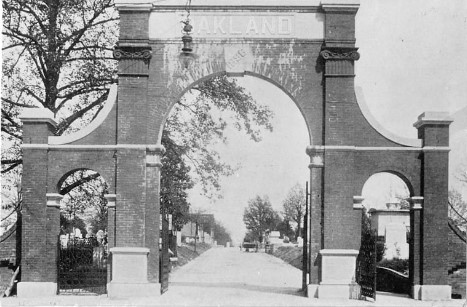
After pondering my proposition, he conceded, “Okay, that could work. We have Oakland Cemetery’s section. And the cutter’s folks owe me a big favor. Plus, it’ll clear a case for them.” He tapped a forefinger against his lips in thought. “But there’s one possible snag.” Jim had my attention. “Well, we’re great pals, but I’m not sure I’ll be able to convince Matt to cooperate. He’s a good kid, but he’s still just starting out in his career.”
“Can we try him and see what he says?” I pleaded. “The worst he can say is ‘no,’ right?” Jim laughed and shrugged.
* * *
An hour later, the three of us were huddled around Grimes’s desk in The Atlanta Georgian city room. Like the Detectives’ Division, the newsroom was relatively quiet.
“I’m just asking you to contact a reporter on one of our local dailies and make an inquiry about Flaherty. I’ll pay for the call. Tell them that the man was killed in a shoot-out with authorities after he murdered a woman. Her name was Gladys Brubaker, and she’d recently moved here from their city. Just say the story’s not big enough to send out over wire services, but you’re looking for information on the dead guy for a possible article here. That’ll be sufficient to get their interest in writing something on it.”
The newshound shook his head vigorously. “It could mean my job.”
“Dollars to doughnuts, Matt, not making the call sure as hell could cost Gladys Brubaker her life. Can you think of another way to get the woman off the hot seat?”
Grimes’ eyes crawled to the copper. Greerson nodded his approval of the plan. The young newshawk glanced at me out of the corner of his eye before reaching for the blower.
I pulled out my little notepad where I kept phone contacts. “Here’s the number for The City Chronicle. Ask for the police beat reporter, Lois Olsen, in the city room. She–”
The newsman faltered. “Lois? A dame?”
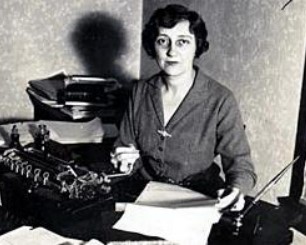
“Yeah. A broad.” When his expression of disbelief held, I controlled my temper despite the lingering pain in my side from the gunshot wound. I asked, “Ever hear of Dorothy Dix?” Matt nodded faintly. “Lois claims Dix was her inspiration to get into a male-dominated racket. Olsen went from a ‘Biscuit and Baby’ bit to a ‘Girl About Town’ column and worked her way up to the crime beat. Tough cookie. Besides, doesn’t this paper have a woman reporter named Mildred Seydell? And didn’t she cover the Scopes trial in Tennessee as the Georgian’s correspondent back in ’25?” The young man again bobbed his head without speaking. “Anyway, she covers the police beat for the Chronicle. Somebody on the The City Herald, the evening version of the same broadsheet, will pick up the story. We just need it printed so someone in the mob will read it.”
“Olsen went from a ‘Biscuit and Baby’ bit to a ‘Girl About Town’ column and worked her way up to the crime beat.”
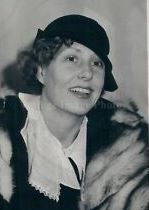
Matt made the call and spoke with Olsen, giving her all the vague details as I had laid them out. As expected, Lois asked the questions necessary to write an article and to pass it on to her colleague on the Herald. When he cradled the receiver, the crime-beat reporter looked up at me. “Okay, done.” His eyes edged to his detective friend. “Say, Jim, what’ll I do if they call me wanting more dope on the incident?”
“Tell them you’ve given them everything you have on the deaths. If that’s not good enough for them, just refer them to me. I’ll handle the questions at this end.”
“Well, I hope you can afford to feed me until I find another job if this comes back and bites me on the butt.”
Jim and I laughed. “It won’t, I promise,” I replied. It wasn’t a guarantee I was all that sure of. But it was a gamble I was prepared to take, for Gladys’s sake.
“What if word filters back here about the death of Brubaker?” Grimes demanded.
“It won’t matter. She’s using a different name here. None of her friends or co-workers will know the difference if a woman called Brubaker is reported killed. I suspect that, at some point in the future, she may revert to her real name. Maybe not. But you’ve done the right thing, Matt,” I assured him. The reporter cut his eyes from me to Greerson, who nodded his agreement. The journalist swallowed hard, nonetheless.
I thanked both men profusely for their help and cooperation. Jim promised to give Brubaker any assistance she might need in the future, if danger crossed her path again.
I left and found a pay telephone on Marietta Street, where I placed a long-distance call to Harry’s tavern. My connection finally went through. After I told my friend I’d be traveling back in his direction the following morning, I asked him to buy and hold copies of the next several editions of The City Chronicle and The City Herald for me. Good old Harry posed no questions and said he looked forward to seeing me. That went double for me!
After ringing off, I motored to the Rialto Theater. Gladys was at her regular spot, selling tickets for the late-afternoon showing of the melodrama appearing on their screen. When I indicated I needed to speak with her, she again called on Ruby to stand in for her while she took a break.
We returned to the cafeteria, got coffees, and retired to a table. Setting fire to a couple of Chesterfields, I told her what Greerson had said about our being cleared in the case. Then I related the telephone call Grimes had made to the newspaper and its intended consequences. I explained that her former hometown might read of her death in Atlanta. At the same time, those here who know her as Gladys Rogers would be none the wiser. Brubaker’s eyes filled with tears. She was stunned that such a plan could work.
I explained that her former hometown might read of her death in Atlanta.
I cautioned it required her to contact, possibly go visit her aunt and uncle as soon as possible. They needed her assurances everything was copacetic. I promised I’d call her once I reached home and checked the newspapers for any reporting on her “death.” I never touched on the subject of what she might know that had caused the mob to want her dead. She gave me the phone numbers for the Rialto and her rooming house. With that we parted company. The doll face walked. I watched. I called goodbye to her. She just kept walking away.
I spent my last night lying on the bed at the General Ambrose Wright Hotel, smoking, sipping Jack Daniels in the dark, and contemplating the events of the previous two weeks. The thoughts of it unleashed a flood of memories, a few regrettable, others much happier. I’d seen new places, met a few interesting characters and encountered some great people. But I was looking forward to returning to my Murphy bed.
* * *
It was late afternoon when I finally reached my hometown. The sky was darkening with the threat of an approaching rainstorm. I had just enough time to get to a florist I used occasionally before it closed. Following that, I drove to Hillside Memorial Cemetery, where the Philpot’s had laid Lucille to rest. I felt compelled to lay flowers on her grave and quietly tell her that Gladys was safe. I lingered awhile with a couple of Chesterfields as I recalled our brief moments together and the tragic turn they took.
… I drove to Hillside Memorial Cemetery, where the Philpot’s had laid Lucille to rest.
Harry’s Paradise Tavern was my second destination in town and a refuge from the squall roaming across the city. The place held a sparse crowd even for a Monday night. Harry was leaning over the bar reading a treatise titled “Economic Possibilities for Our Grandchildren” by John Maynard Keynes. I’d heard of the fella, an economist or something such as that. It was pretty deep stuff for my pal.
“Jeez!” the barkeep grumbled, pushing the document aside. “Why the hell do we have to wait a hundred years to ride that gravy train? Why can’t I get on board now? Did you ever feel like the whole world is a tuxedo and you’re a pair of brown shoes? I tell ya, Gil, it ain’t fair!” When I questioned what his beef was, he blew the subject off and poured me a drink.
“C’mon, my friend. You’re the bartender.” I chuckled, “You’re supposed to be listening to my troubles.”
From behind a grin, he asked, “Okay, so what are your problems at the moment?” He eyed the bandage on my cheek, but made no mention of it.
“Truth is, Harry, I don’t have any.” He smiled, nodded, and went to pour a libation for someone else along the bar.
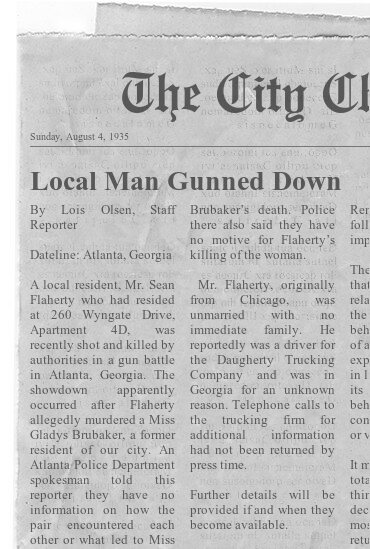
After a few rounds, Bittles presented me with the dailies I’d requested him save. I scanned them. On the front page of the Sunday edition of the Chronicle was the story I’d hoped for. Lois Olsen had written an article pertaining to a local man by the name of Sean Flaherty being shot and killed by authorities in Atlanta, Georgia. He had been gunned down after he murdered a woman named Gladys Brubaker, who had recently relocated there from our municipality. A similar writeup appeared in the Herald that afternoon. With these in hand, I thought, I can go to Daugherty, feed him a line about what happened, and collect the rest of my fee. At least, that was my plan.
* * *
First thing the following morning, I drove to The Greek’s to flag Seamus. My expectations about getting paid weren’t high, but, nonetheless, I carried the copy of The City Chronicle, which contained the article about Brubaker’s “murder” and Flaherty’s death. My primary aim was to measure Ace’s take on the events in Atlanta.
I pounded on the roadhouse entrance for a couple of minutes before my old pal, Mickey, opened it with a snarl. “Whaddya doing here, gumshoe?”
“I’m here to see your boss, Einstein.”
“The name’s O’Keefe,” he answered without the slightest hint of understanding.
“Okay, O’Keefe, take me to Seamus. I have important information he’ll need to know,” I bluffed.
The big fella stepped aside and let me pass. Then he edged forward and scanned the parking lot before shutting and locking the door. I followed him to his boss’s office after the prerequisite frisking in the dining room no one had bothered to air out during my absence.
The mobster was leaning back in his swivel chair, chomping on a cigar the size of Ernie Lombardi’s bat. Without moving, he growled, “Whaddya want, Tanner?”
“I came to collect the balance of my fee for taking care of the Brubaker dame,” I declared, dropping the newspaper on his desk and my butt onto a chair. I pulled a Chesterfield from the deck in my pocket. The man across the desk tossed me a book of matches, and I set fire to it.
Ace’s face broke into a nasty smirk, but not another of his muscles shifted. “Nah, don’t think I’ll be paying you any more dough. And you can keep the rag. I already read it. The way the story comes across, you had nothing to do with the filly’s demise.” He shrugged. “Some other poor slob beat you to it. You got some nerve coming to me asking for money someone else earned! Now get out!”
This was what I’d expected. As bad as I wanted to get my digs in about him losing a “good boy” in Atlanta, I didn’t want to say anything that might arouse suspicion in Ace’s mind. I tapped the newspaper and conceded, “Yeah, that was just my luck. A freak coincidence? I’m not so sure since the ape worked for you, but it is what it is.” If he was buying my supposed take on the matter, Gladys was home free.
“Sure you won’t reconsider after all my work?” I pleaded half-heartedly. Seamus shot me a triumphant leer, but said nothing. I’ve never minded looking temporarily foolish in an effort to outwit someone in the long run. Besides, as I said before, the five hundred bucks the hoodlum had paid me up front covered my going rate for a little over three weeks. As it had turned out, I’d worked on the crumb’s nickel for less than two. So he more than paid for my time.
I stood. Mickey was so close behind me, I could feel his hot, offensive breath on the back of my neck. Immediately, I had one of those feelings like I’d experienced during my first visit here. The mobster had nothing to gain by letting me leave the building alive. Again, I braced myself. I stayed that way until Daugherty made a had motion to his minion to escort me to the door. On that happy note, I spun on my heels and left, satisfied that the mob boss believed what he’d read in the broadsheets.
Mickey was so close behind me, I could feel his hot, offensive breath on the back of my neck.
* * *
I returned to my office and waited to phone long-distance to the Rialto Theater until when Gladys had told me she usually arrived at work. My call finally went through. Someone at the Atlanta end answered and told me they’d get Miss Rogers. After dangling on the wire for a brief time, a breathless Brubaker came on the line. I filled her in on everything that had been said between me and Daugherty. We were both content that she could go on with her life without fear of repercussions from the south side mob.
* * *
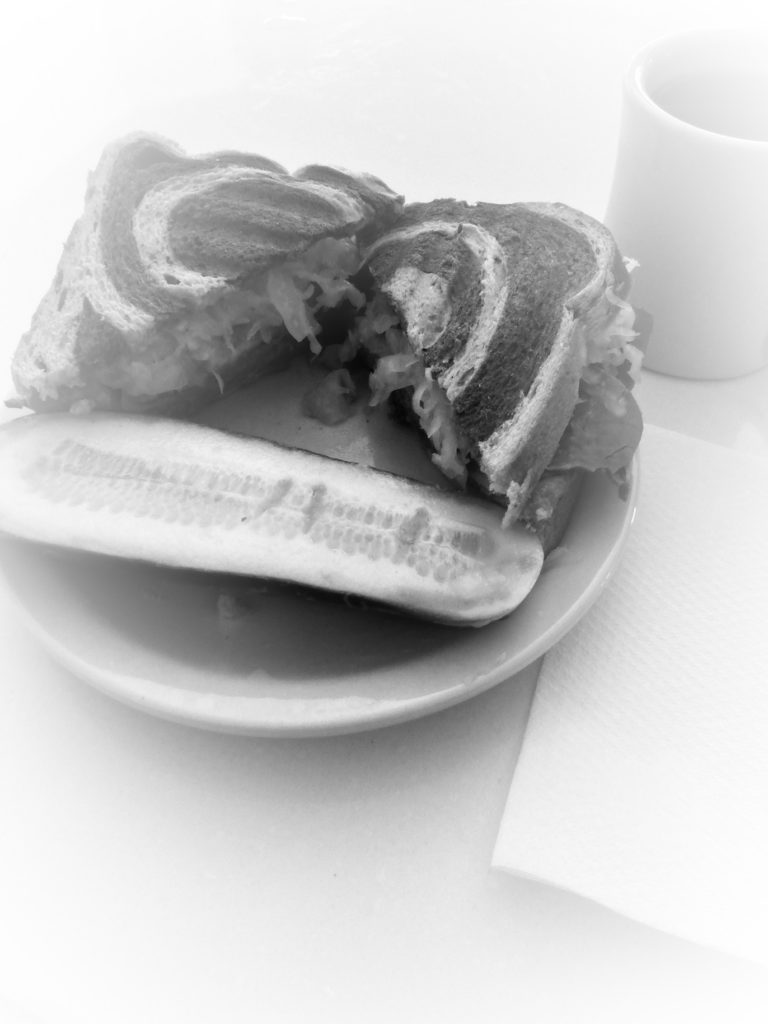
Around lunchtime, I walked along the block from my agency to Siegler’s Deli for that pastrami sandwich I’d promised myself. We made no mention of our encounter when Daugherty’s men had snatched me off the sidewalk. Again, I told Max he needed to get bigger dishes for his meals. With a chuckle and a wink, he replied that, if he did, the customers expected larger portions, bigger sandwiches. With the slightly smaller plates, they still felt they were getting generous helpings. He made me laugh. It was great to see my hometown friends again.
Recalling my self-imposed promise to locate Zeke Garvey and pay him a visit, I finally determined they had placed him in the county old folk’s home. It occurred to me that, for the time I’d known him, he’d had an affinity for Cracker Jack. So, I stopped by Marshall’s market and picked up several boxes for him.
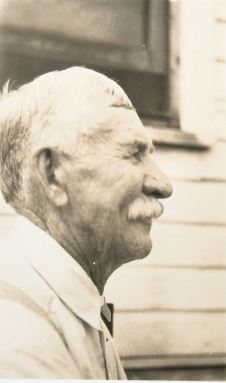
At the county home, I found the elderly gentleman milling around in the side yard, talking to himself. Mr. Garvey looked no older than when I had last seen him, but the mental change was apparent. He didn’t recognize me or my name. The old fellow asked if I could help him get onto the roof of the place. Figuring he’d forget the request, I assured him we’d do it before I left.
Mr. Garvey looked no older than when I had last seen him, but the mental change was apparent.
A spark flashed in his eyes. “Were you with me on the Olympia at Manila Bay?”
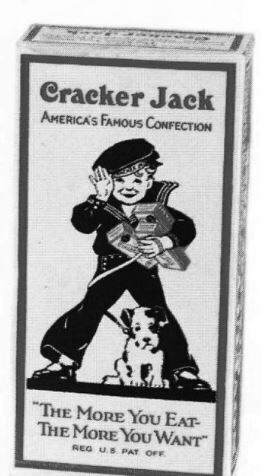
“No but I’d love to hear the story.” A wide smile filled his face. We found a bench to sit on while Zeke relived his wartime feats. I handed him the bag of Cracker Jack boxes. He looked inside, and his grin broadened. A caretaker stopped by and told me Mr. Garvey needed to come inside. I requested a little more time together and assured her I would see that he got in the building soon. She nodded, gave me a perfunctory smile, and moved away. The Navy veteran continued with his narration of the sea battle as the sun set beyond the horizon.
* * *
Later, as I drove back toward the city, I wondered if my lot would end like Zeke Garvey’s: alone, telling someone, maybe a stranger, of my exploits of being employed by one frail, who met a premature end, to track down another who was marked for an untimely death by a ruthless gangster. I only hoped there’d be someone to tell it to. ©