
AUTHOR’S NOTE: In writing my humble offerings, I try to provide entertaining stories. As I do, I adhere to several strict self-imposed rules. First, I avoid blasphemy and the worst foul language, while keeping the tales as realistic as possible with characters’ dialogue. Also, I don’t involve the details of lurid sexual situations, leaving that to the reader’s imagination. When I use illustrations in my postings, I attempt to do so tastefully and normally by sidestepping nudity. This month’s installment, however, features a photograph containing partial nakedness. It became necessary to tell the story. For that, I apologize. Sort of.
A Thursday in August 1935
Knocking on the bungalow’s door that morning, I realized the next seventy-two hours would be more or less a complete unknown to me. What was I getting myself into? Well, I chuckled in thought, it can’t be any more fraught with danger than a few recent jobs I’ve had. Nonetheless, I braced myself as footsteps moved across the inside floor toward me.
My sister-in-law Donna opened the door. Her mouth turned up at the corners in a hint of a brief, half-hearted smile. Despite the woman’s best effort, an expression of uncertain apprehension covered her face. “Hello, Gil,” she said as she stepped aside for me to enter the sitting room. “Marty’s out back. He’ll be here in a minute.” As she spoke her last words, my brother, a city police officer, rounded the corner from the kitchen, wiping his hands on a dishtowel.
“Hey! Good to see you, kid!” he blurted, shaking my hand. “Thanks so much for this! It means a lot to us!” he finished, glancing at his wife. She made another effort at that thin grin as she dropped her eyes and wrung her hands. He laughed weakly and slid his arm around her waist, pulling her to him. She giggled nervously. My brother continued, “I set Tommy’s playpen up in the backyard. He loves being outside. It’s supposed to be glorious weather this weekend, so I thought you might put him in it and sit out there with him.” His lady remained somber during Marty’s explanation.
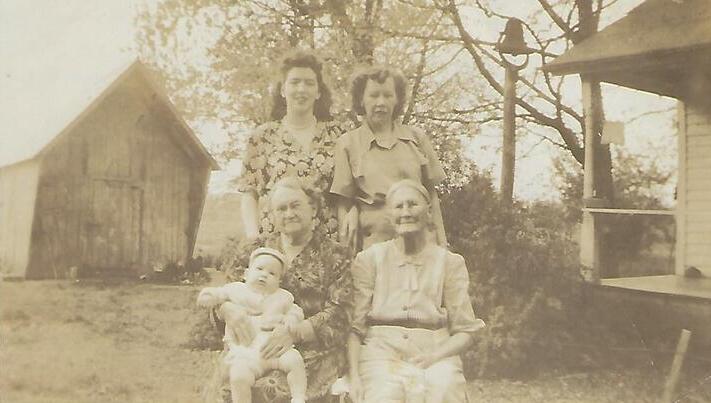
To break the awkwardness of the moment, I excused myself to go out to the car and get my bag. As I walked off, I weighed the circumstances I’d gotten myself into. The couple had had no time away since their baby had been born in late December of last year. Sure, they’d made a trip to visit her folks a fair distance south of our city. But it was hardly a break “together” with Donna’s mother, grandmother, and great-grandmother hovering every minute.
A month earlier, Marty and I had been discussing it over drinks at Harry’s Paradise Tavern. He commented there was no family around to help. On his side, it was only me and him. Our parents had passed. With all of her people a good distance from our city, there was no end in sight. In a moment of alcohol-induced weakness, I said I’d stay with the baby so they could leave town for a bit. My brother assured me he wasn’t trying to corner me into volunteering. When I convinced him I didn’t feel any pressure to make my offer, he gratefully accepted.
. . .I said I’d stay with the baby so they could leave town for a bit.
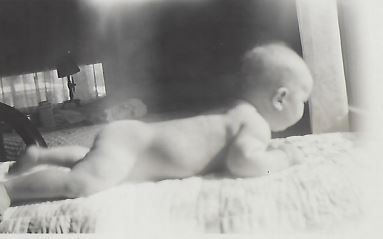
I knew Donna would be hesitant about the deal. Not that she lacked faith in me. She simply considered me a tad reckless, too much so to care for her eight-month-old angel, Martin Thomas Tanner, Jr., aka Tommy. In my work as a private detective, hers might have been a fair assessment in the eyes of some. But there was a difference between occasionally taking a calculated risk, chasing after assignments for paying customers, and caring for my nephew.
The die was cast, I thought, as I pulled a travel bag from the rumble seat of my roadster. Marty had made reservations for a three-day weekend at the lodge on Lake Mohkih. The place was a day-long drive north of the city. I knew the inn, but didn’t want to re-live the memory of it. As my mother repeatedly told Marty and me, “Don’t cry because it’s over. Smile because it happened.” I’d learned over time that was often easier said than done. Anyway, the couple was to leave as soon as the lady of the house had given me my “marching orders”.
* * *
Thirty-five minutes later and my fidgety sister-in-law showed no signs of departing, notwithstanding my brother’s best efforts to guide her outside to their car. “… and his doctor’s name and number are on a pad by the telephone. I fed Tommy earlier this morning, but he’ll probably be hungry when he wakes up from his nap. There’s a partial container of Gerber’s baby food in the icebox. Give him that first. But you can let him finish the bottle of milk in there, too. It should be his last time on one. He’s taking solid foods now. You’ll have to heat it, but not too much,” she instructed, as she placed a hand on the stove as if I was unaware of its use.
“You’ve already explained that.” I took her hands in mine, trying to reassure her and get their brief vacation underway. “It’s okay, Donna. I’ve done this before,” I lied.
Surprise showed on her face. “You have?” She glanced at Marty. Marty glared at me. He knew.
“Sure.” I wrapped my arm around her shoulders and turned her to the front of the house. “Now you two need to burn road if you’re going to make the lodge before sundown. Have fun.”
I’d gotten her to the door before she stopped for one last item. “Gil, I have to require something else from you.” After a silence during which she cut her eyes at Marty, she gently demanded, “I won’t allow any drinking in the house while you’re watching Tommy.”
I smiled. “No problem.” I let the relief sweep over her. Donna wasn’t the strong, hatchet-wielding temperance type, but she felt I imbibed too much. “I’ll just take the kid with me to Harry’s tavern.” She gasped.
Marty groaned, “C’mon, Gil! Don’t say that even in jest! We’ll never get outta here!” He turned to his wife. “He was only kidding, honey!” Then the man looked to me, “Tell her you were joking!”
I hugged the woman. “I was only teasing you, Donna. No drinking.” I raised my hand in a three-finger boy scout sign. “Promise. Scout’s honor.” Tears of gratitude filled her eyes. “Now go!” Marty gave me a sharp older-brother you’ve-never-been-a-scout-a-day-in-your-life scowl before he followed her down the front steps. At last, they drove away. As their flivver trailed dust to the end of the street where it turned, I wondered whether the little fella might have a sibling within the next year after this outing by his parents.
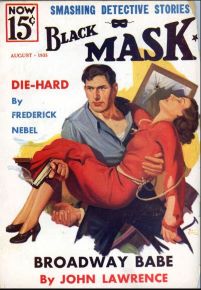
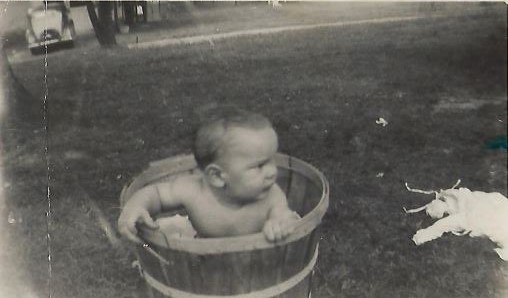
Before grabbing a seat in the parlor, I checked on the baby, who was still fast asleep under a light blanket in his crib. To pass the time, I retrieved a book from my bag. This guy Steinbeck titled the hardcover Tortilla Flat. I normally went in for crime tales and mysteries, along the storytelling lines of Dashiell Hammett, who I followed in the Black Mask magazines my barber kept on hand. But my bookstore-owner-pal Micah Kaplan recommended the thing. So I gave it a read.
To be honest, it wasn’t what I’d expected. Good, but different. Anyway, around the point in the novel where the character Pilon convinces Pablo, who’s just been “paroled” from jail, to move in and share Danny’s house with him, my charge started making noises from his room. Not crying, but baby babblings. Enough to get my attention. I glanced at my strap watch. He was likely getting hungry. Marty had told me his son ate like a horse.
He was standing in his crib, holding on to the balusters as if a mug ready for a prison break. But this “inmate” had a bright smile on his face. The lad was bigger than I’d expected, though I wasn’t sure what size an eight-month-old should be. He was hefty by any standard. After a diaper change, which put me off my feed for the remainder of the day and during which I became intimately acquainted with the workings of safety pins, we made our way to the kitchen.
After a diaper change, which put me off my feed for the remainder of the day …, we made our way to the kitchen.
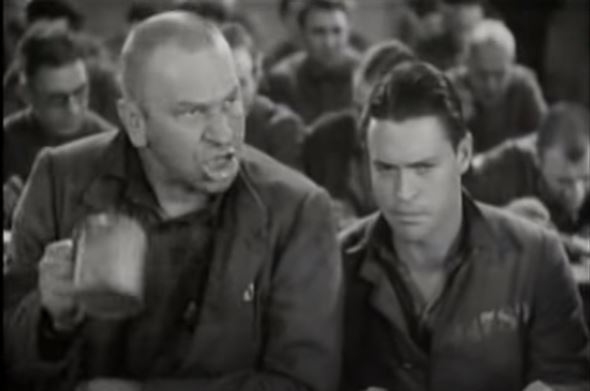
I got the boy into his high chair with little effort. He started pounding on the feeding tray. It reminded me of Wallace Beery and Chester Morris in the flick of several years earlier, The Big House. All the youngster needed was a tin cup to bang for his grub to make the prison picture complete. In the icebox, I found the Gerber’s container of strained spinach. One peek inside the thing suggested it amounted to some sort of child abuse. Not wanting my nephew evermore to associate me with the stuff, I located a Gerber’s beef vegetable soup conglomeration. The kid happily wolfed down both, heated, per Donna’s instructions.
Since the boy was wide awake and the August weather was pleasant, I decided we’d take some air. I put him in his playpen while I plopped into an Adirondack chair with my book. After a time, I felt his eyes on me. I peeked over the top of the volume and saw a restless “inmate” staring at me as if I was totally inept at what I was doing. Ignoring him proved ineffective. He wasn’t crying or fussing-just giving me that piercing gaze. Eventually, I gave up and spread a blanket on the ground and settled him in the middle of it. I’d no sooner returned to my seat than he’d crawled off the cover and was making his way across the grass to a bushel basket.
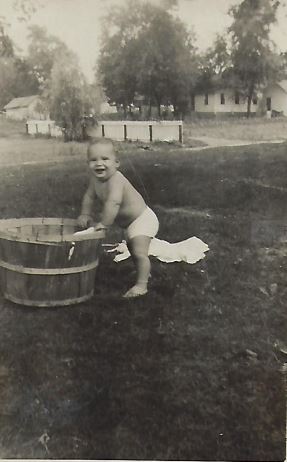
The kid was at no risk, so I watched. He employed the carrier to pull himself up. Then he held onto to it in order to walk around the thing, grinning from ear to ear. Periodically, he’d look in my direction as if checking whether I was paying attention. At one point, he stopped and tumbled headfirst into the container. I hustled over to him only to realize he had dived into the thing which had clean clothes on the bottom. Donna apparently used it for a laundry basket but was so preoccupied with giving me instructions, she’d forgotten to take it inside. He sat laughing as if he’d pulled a prank on me. Okay, I thought, it’s more strained spinach tomorrow for you, young man!
* * *
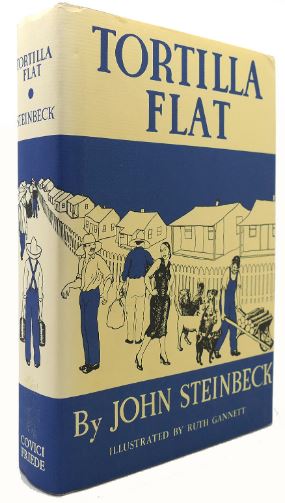
The rest of our time passed along fine. I finished my book. Otherwise, I found the stint with my nephew divided among meals, subsequent diaper changes, playing with a ball the Tommy loved, and, of course, him diving into and romping in the clothes basket. He was the happiest kid I’d ever been around. Surprisingly, Donna only telephoned once. I passed on the idea of pretending I was drunk during the call. She’d cut their trip short and return home immediately. More importantly, she’d have brought my angry older and bigger brother with her.
* * *
Monday evening, we were sitting on the parlor floor, rolling a ball back and forth between us. I’d pretend to miss snagging the thing as it rolled to me and the baby would laugh himself silly. When I thought I heard a heap pull in out front, I got up and strolled to a window. It was the Tanners. Unlatching the screen door and cracking it open to greet them, I called to my nephew that his momma and daddy were home. He started crawling in my direction. Donna emerged from their car before Marty even had his door open. She rushed right past me to Tommy. While she took inventory to make certain I hadn’t misplaced any of her boy’s limbs and other body parts, I walked outside and helped my brother with their traveling bags. Marty looked rested and happy.
Standing in the front room, I told my sister-in-law the weekend had gone great. She’d likely made a cursory inspection of the place while I toted suitcases. If so, she found I’d wrecked nothing and she could account for the silverware. We sat in the living room, and a much-relieved Donna thanked me for the chance to get away for a bit. They talked about their trip. I had little to say concerning our time together, aside from laughing over their son’s infatuation with the clothes basket. I had no desire to stay long. The siren song of Harry’s tavern was calling my name, and I needed a drink.
I realized Donna was gazing at me with an odd expression. After a moment, she asked softly, “Did this make you want to settle down and start your own family, Gil?”
I was unsure how to answer her without getting into a lengthy discussion regarding my lifestyle, which wasn’t to everyone’s liking. “As much as I enjoyed spending time with Tommy and look forward to a lot more of it, I think I’ll just let my life follow its natural line of drift for now.” I glimpsed my wristwatch. “Say, I need to take off. I’ve got a case report to type up and get to a client for money due me.”
Donna put a gentle hand on my arm. “Let me share a thought with you, Gil, before you leave.” I shrugged in submission. “Rutherford B. Hayes said,” she went on, “‘Do not let your bachelor ways crystalize so that you can’t soften them when you come to have a wife and a family of your own.’” I’d almost forgotten she’d been a history teacher before their son was born. I smiled and nodded, but remained silent. Our old man used to tell us it was best to appear to agree with someone’s opinion before going on with your business in your own fashion.
I rounded up my grip, and they walked me to the door. Marty shook my hand and thanked me again. Donna embraced me with the arm that wasn’t holding her baby. Tommy leaned toward me and reached out his arms for me. Honestly, it touched me. I hugged him, kissed his chubby cheek, and left.
* * *
Half an hour later, I was ensconced on a bar stool in the Paradise Tavern. There were only a few customers in the joint. Harry wiped the counter glumly, making his way to me. I surveyed the place. “Not much of a crowd, even for a Monday night. What’s going on?”
“I dunno. I guess everybody’s home listening to their radios for details of the crash.” He turned to go to a thirsty soul at the other end of the counter.
My first thought was Wall Street had laid another egg. I reached out and touched his arm as he passed. “Crash? What crash?”
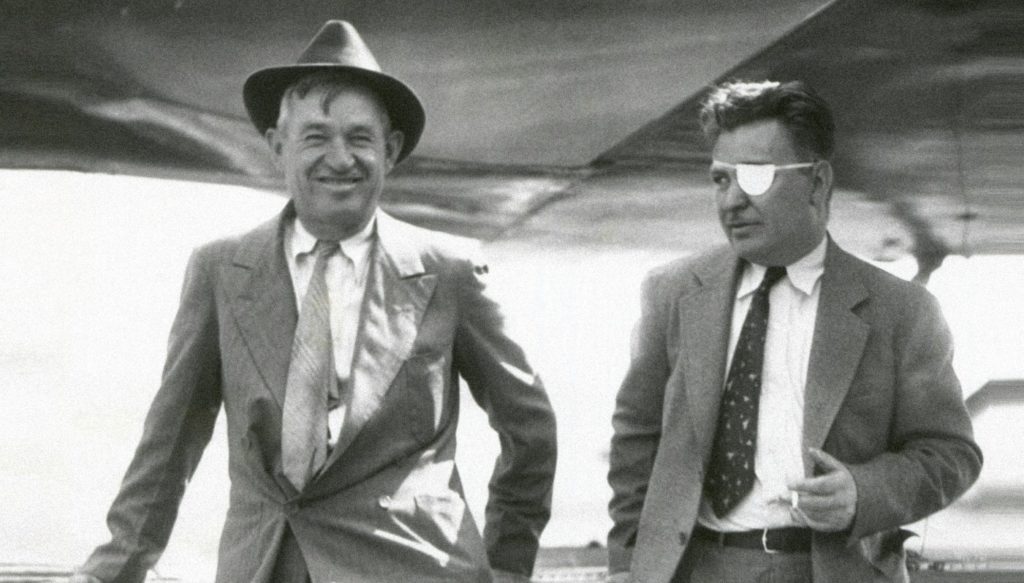
He flashed an odd look my way. “I know you said you’d be taking care of Marty’s kid,” he huffed, “but haven’t you seen a newspaper or listened to the radio in the last couple of days?” It hadn’t dawned on me until that minute I had been out of touch with the rest of the world that weekend. I shook my head. “Well, word came out of the Alaska Territory that Will Rogers and Wiley Post were killed in a plane crash sometime Thursday.” I sat in stunned silence. In my eyes, the man from Oklahoma represented the everyday American. His Sunday evening radio program was immensely popular, though I’d been too busy tending to my nephew to listen the night before. I enjoyed his pithy jibes directed at politicians and society in general. He would be dearly missed.
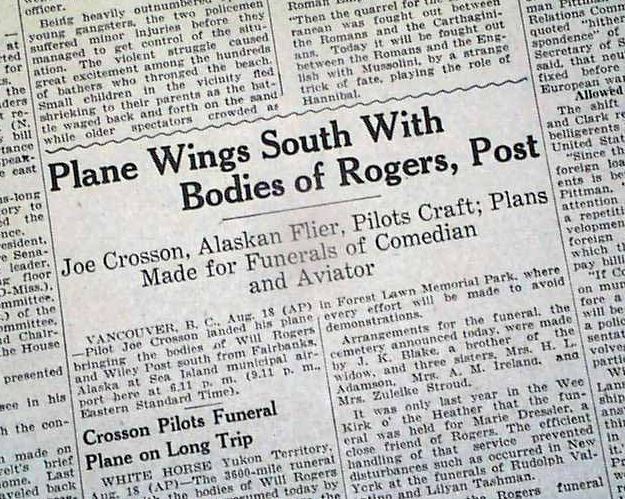
“I hadn’t heard,” I sighed. Neither Marty nor Donna had mentioned it. Either they were unaware or forgot to say anything in the excitement of getting back to their son. I had a few more snorts before I bid Harry adieu and called it a night. At the newsstand a block from the tavern, I stopped to get an evening edition of the paper to catch up on whatever I’d missed.
* * *
Bright and early the next morning, I was bent over my office typewriter, finishing a report for my latest client. During an earlier telephone call, I had told him I’d have my account of the case to him before noon.
Just before eleven, I dropped off the document and picked up a check for the balance of my fee. He’d drawn the draft on a bank other than mine, so I decided to cash it at his financial institution rather than wait the time for it to clear. My apartment rent was due by the week’s end.
* * *
Waiting at the bank for a teller, I nonchalantly essayed the other customers, as was my habit. The small crowd comprised the usual folks, who were happy just to have the joint open and money to deposit or withdraw, considering the recent economic woes. However, one of them stood out to me. He was a slender young man, two people in line behind me. I put him at probably thirteen or fourteen years of age. Now, I guess a youngster with a job in a grocery store or working on a corner, hawking newspapers or some such, could have a savings account. Maybe, he was running an errand for his parents.
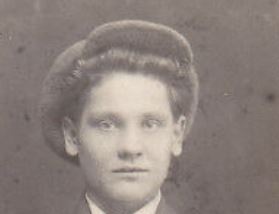
But this fella looked wrong for several reasons. First, he had on a whipcord jacket despite the day’s heat. Second, under the newsboy cap pulled low over his face, he kept shifting his eyes furtively around the bank. And he was fidgety. My thought process may have been intuitive or might have been something else. I stole more than one surreptitious glimpse of the kid. Then I saw it. In the right front pocket of his coat, I clearly recognized the outline of a revolver. Every other possibility for his presence aside, that presented a problem.
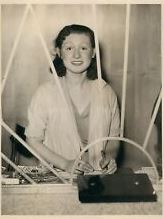
With my business concluded, I picked up the money the cashier slid under the grille to me and stopped near the boy on the pretext of counting it. When his turn to be served came, he reached inside his coat as he approached the teller’s window. As he did, I quickly pocketed my cash and walked to his side, grabbing his arm that now held the pistol in the pocket. I took hold of the collar of his jacket with my other hand and frogged-marched him toward the door. The juvenile thug thrashed unsuccessfully to get loose of my grip. His struggles and yelps for me to let go of him caught the attention of a do-gooder who stepped in front of us and challenged me.
I quickly pocketed my cash and walked to his side, grabbing his arm that now held the pistol in the pocket.
“Police detective business!” I growled harsh and low to head off any further involvement by the man or others. When he didn’t budge, I leaned into him and, with presumed authority, added, “If you want to come with us to the station house, just say one more word, mister!” The lug stepped away.
My captive and I made the sidewalk. He continued to fight me. Without releasing his collar, I took possession of his handgun in a way the casual observer couldn’t see it and dropped it in my coat pocket. “That’s mine, mister! Let me go!”
Using his collar, I bent over and jerked his head close to mine. “Listen, punk,” I whispered coarsely, “if you don’t shut up and settle down, I’m gonna slap you to sleep!” I shook him hard. “Get me?” He relaxed somewhat, though his face was still twisted with rage. “You gonna behave?” He grudgingly nodded.
About this time, I realized people on the sidewalk had stopped and gathered around us. I figured it was only a matter of time before a copper made the scene and the scoundrel ended up in a reformatory. To avoid that, I asserted, “My son’s acting up. Sorry, but I gotta take care of it.” With that, I more or less dragged him to a nearby diner for a quiet talk.
Inside the eatery, I pushed the troublemaker into a booth. As he made a move to leave, I shoved him down hard and eased in beside him. His face flushed with anger. He snapped his fist into his palm. “I’m gonna….”
“Relax, Buster Brown,” I cut in on him. “You’re not gonna do anything except listen and speak when spoken to.” He started to respond, but my hand moved instinctively to stop him. He shrunk back, ducking my gesture. “I’m not going to hit you, boy, unless you give me a good reason.” The exchange was louder than I’d have liked, but the large noontime crowd was too busy feeding their gobs to notice much else. A passing waitress with plates of food bound for other customers caught his attention. His mournful eyes longingly followed the meals. “You hungry?” His shoulders drooped and his chin dropped to his chest. After a dozen seconds, he nodded.
A woman, wearing a name tag reading “Sheila,” arrived to deliver two glasses of water and take our order. “Let us have three hamburger sandwiches with all the trimmings and a helping of house fries with each. I’ll have coffee with mine, and he’ll have a glass of milk with his.”
She glanced at the empty booth bench across the table. “What’ll the other person want to drink?”
“There’s no third person,” I smiled. “Two of the meals are for my friend here. He missed breakfast.” She gave me a perfunctory smile, turned on her heels, and shuffled away.
Turning to the boy, I asked, “So, what’s your name?”
He ignored my question. “You know I could have you arrested for kidnappin’ or… or somethin’. I–”
“Yeah, but then you’d have to explain the revolver you were reaching for at the bank teller’s window. Your ass, your choice.”
“I’ll tell the police it’s your gun, and I never saw it before,” he said defiantly. The boy was made of tough material, but wasn’t as hard as he wanted to let on.
“That won’t work for you, sonny. First, I’m sure your fingerprints are all over the thing. You’re aware of what fingerprints are, aren’t you?” His reddening face was his only answer. “Besides, every cop in the city knows me,” I bluffed. “And they know I only ever carry a forty-five automatic.” I flicked my coat aside to show him the butt of my holstered gat. His eyes widened, and he swallowed hard. Perhaps the weekend with Tommy had made me a little softhearted. Or softheaded. “Now, how about telling me your name?”
I flicked my coat aside to show him the butt of my holstered gat.
After a reflective pause, he mumbled, “Hubbard.”
“So, your parents didn’t give you a first name?”
He tried to hide a faint smile under knotted eyebrows. “Vernon.”
“Are you from around here?” He shook his head but said nothing. “Where are you from?” I persisted.
“What do you care?”
“Listen, Vernon, if that’s your name, you’re in no position to be a wisenheimer. I just may have saved your life by stopping you.”
“Yeah. Sure thing, mister.” Distrust clouded his eyes.
“Hey, I’m not looking for a medal. I say ‘saved your life’ for two reasons. One is the cops won’t hesitate to shoot down a bank robber nowadays.”
“If you say so.”
Something occurred to me. I glanced around. A fella sitting on a nearby stool at the counter was reading a broadsheet as he ate. I slid to the end of the booth bench, reached out, and nudged him. “Say, mister, is that this morning’s City Chronicle?” When he acknowledged it was, I asked, “Can I borrow it for a minute?” He spun on the seat and handed it to me, following my next moves with curious eyes.
I moved back to the bench and started flipping through the paper. When I found what I was looking for, I folded the thing and laid it in front of the kid. “Can you read?”
“Some.”
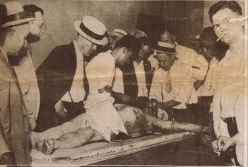
“This is a follow-up article the newspaper did on John Dillinger being shot and killed by the law a year ago last month.” For emphasis, I tapped a picture the tabloid had included with the piece, showing the dead criminal on a morgue slab. “Think the coppers will bat an eye over shooting a bank robber, young or old? Even if they didn’t kill you in the street today, you’d get your face plastered all over creation. You want lawmen gunning for you? Your death won’t be anything but paperwork to them. Is this how you want your folks to find you or to remember you?” I got a long silence. The boy’s chin quivered, and his reckless smile waned. Little shadows appeared in his eyes.
Vernon hardened again slightly as he looked from the paper to me. “You said there were two reasons for stoppin’ me, mister. What’s the other?”
I returned the newspaper to the fella at the counter before continuing in low tones. “The worst-kept secret in this burg is that two mobs, one on the north side and the other on the south, run the criminal activities around here. Their reach is pretty far and wide.” I jerked my chin toward the window behind the kid. “That street out there, Broad Street, is the dividing line between the gangs. Everything that happens on this side of that road is under the control of the south-side outfit.
For example, see that mean-looking mug in the last booth?” He leaned across me, looked in that direction, and waggled his head. “He’s a bookie and a loan shark for the goons that control this part of the city. This diner’s theirs. The place you just tried to rob is where they keep their money. It’s their bank. If you rob it and the cops don’t get you, the mobsters will.”
“What’s a bookie?”
I was getting frustrated with a punk who wanted to act like a toughie but had little knowledge of the coarseness of the real world. Nevertheless, for a reason I can’t explain, I was taking a fatherly interest in the would-be stick-up artist. Possibly it was having just spent the weekend with my nephew. It sure as hell wasn’t something I learned at the knee of my old man, an abusive alcoholic. Milling around in my brain was the possibility of Tommy, several years from now, standing at a crossroads, lost, confused, desperate, and needing help from a stranger. “Never mind that. What were you thinking, trying to rob a bank?” No response. “Kinda new at this, aren’t you?” I chuckled, seeking to break the tension. He contributed to the silence that followed. I touched Vernon’s arm to get his attention.
“I read about it some! Seen moving pictures, too!” he boasted. “It was gonna be my first, but it won’t be my last.”
“Damn! Don’t be stupid!” I whispered harshly. Time for a different tack. “What about your people? Where are they?” I pressed him. His dark-gray eyes welled, and he looked away to the window.
He swung his gaze back to me. “I lived on a farm outside of… of Hayesville with my maw, paw, and two sisters. My grandpa had worked the place his whole life. My paw, too. We had a miserable crop last year. This growin’ season wasn’t much better. Some, but not much. My folks couldn’t pay the note on the homestead on time. The bank threatened to take our land and throw us off it. Paw said we needed to go see Mr. Muncie, the manager. So he walked while I rode Smokey–that was our old plow horse–into town to meet the banker.
The bank threatened to take our land and throw us off it.
“The bank man said no when Paw asked for what he called a extension to repay the loan on the farm. And he wouldn’t take what crop of corn and tobaccy we had as payment. He told us somebody’d be out directly to look the place over before they scheduled the foreclosure auction. Later, as we walked back along the dirt track….” he mumbled, his voice cracking, trailing away.
I put a hand on his shoulder. “Go on with your story.”
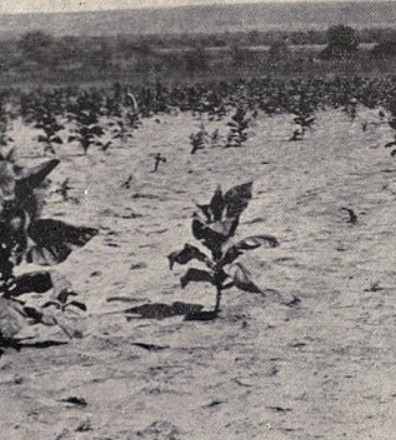
“Before we reached our house, we come to our tobaccy field. Paw suddenly turned off into a dusty row. I watched. He stopped, looked around, cryin’, pulled that gun from his coat pocket, and shot hisself in the head. I ran to him. But it was too late. He died on his feet afore he fell, I reckon. I picked up the gun, covered in my paw’s blood, and made up my mind to make the bank pay. To make ‘em all pay.
“I got Paw across Smokey’s back and took him home. Maw went to pieces. She said we’d lose the place sure enough then. She decided we’d go live with her sister on their farm in a neighborin’ county. I knew there were too many mouths to feed. And I wanted to get at Muncie for what he’d done to us by robbin’ his place.
“After I settled my folks in with my aunt, I walked to… Hayesville. But the bank had burned down. Townsfolk said somebody had done it for the same reason I wanted to rob it. But I was determined. I was gonna rob one somewhere to get even. Maybe lots of banks.”
“You’ll find yourself in a fine hole with that path, son,” I argued as the waitress brought our food and cutlery. She looked at the tears on my companion’s cheeks, then edged her eyes to me in uncertainty.
“It’s okay,” I assured her. “Vernon’s just had a rough morning.” She nodded and moved away. “Wipe your nose.” He wiped his face with a filthy handkerchief.
Despite being upset by reliving his tale, the kid ate ravenously. “This is good, Mister….” The boy ran the back of his hand over his mouth. “Say, you never told me who you are.”
I handed him a napkin. “Use this to wipe your mouth. It’s why God invented them. And my name is Gil. How old are you, anyway?”
After a pause, he croaked weakly, “Nineteen.”
I shot him a look I hoped expressed my disbelief without speaking, but couldn’t resist saying, “Do you ever tell the truth?”
His face was calmly impudent. “When it suits me.”
That was too much worldly cynicism in someone so young. “I’m beginning to believe the truth isn’t in you. Were you lying about your dad and the farm?”
“Damn you, mister,” he growled under his breath. “Damn you to hell!”
“Sorry. It’s just that–”
“Do you ever make mistakes?” he cut me off.
His question caught me by surprise. “Of course.”
He wore the concentration of an adult. His eyes searched mine. “Do you ever forget them?”
“Never. But I learn from them.”
“Okay. You win,” he blurted. Vernon showed neither humiliation nor shame in his voice or demeanor. “I gotta go to the bathroom.”
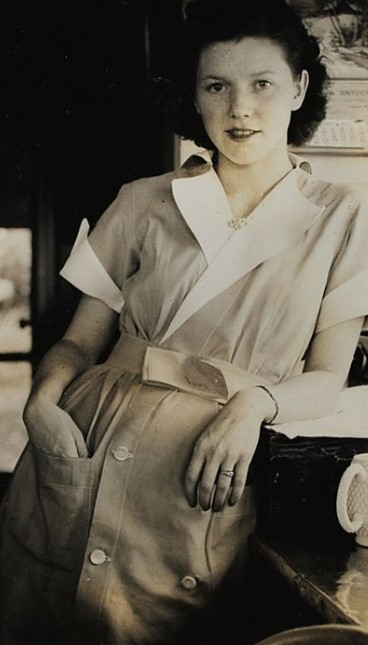
I stopped another waitress and asked where their restroom was. When she told us, I looked at the boy, who was nodding. I let him out of the booth while she gathered our plates. As he turned to leave, I grabbed his arm. “Don’t test me, son,” I threatened. The kid shook his head and pulled away.
I watched him slalom through the crowd until he turned at the far end of the place into the hall where the thing was located.
Several minutes passed with no sign of him. In a slight panic, I buttonholed Sheila and shoved several bucks into her free hand. I jostled my way through the customers to the hallway that ran perpendicular to the dining area. I knocked on the locked door designated as the restroom. A female voice from inside assured me she’d be right out. Further along the hall, I saw two more doors. I loped to them. The first led to the kitchen. The second opened to a blind alleyway littered with trash cans, but no boy. I ran to the street and scanned it in both directions. It did me no good. He was gone. Later that day, I turned his revolver over to the police, telling them I’d found it.
I ran to the street and scanned it in both directions. It did me no good. He was gone.
* * *
During the week that followed, the entire episode rattled around in my mind. Did the youngster give me his correct name? Was he actually from the town he’d told me? Where did he go? These questions flitted through my brain daily.
* * *
Because of case commitments, I wasn’t able to make the ninety-mile drive to the unfamiliar burg of Hayesville until early the following Saturday. I pulled into the dusty main thoroughfare, optimistically named Grand Avenue. After parking on a side street, I walked to Grand, strolled its length, and studied the goings-on.
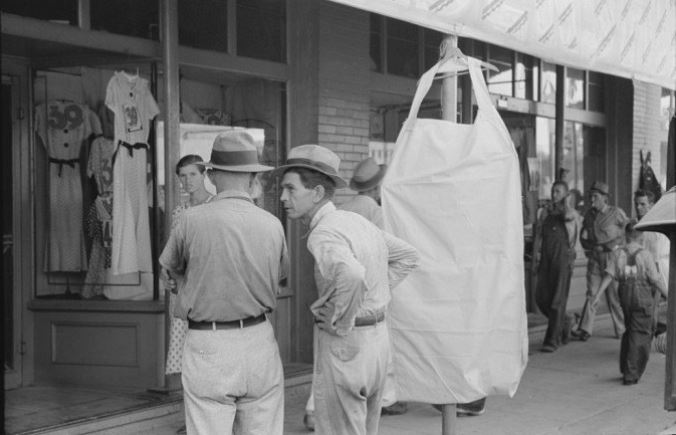
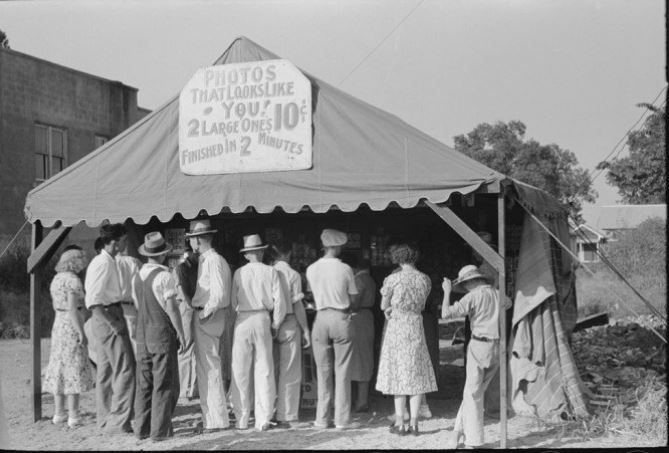
Located in Clay County, Hayesville was one of those small farm communities where outlying folks came in on Saturday morning. In town, they divided their time between shopping for needed goods and walking one side of the main street from end to end and then back down the other side, seeing what was new in the stores and visiting with people. Some were dressed in their Sunday best, others in their work clothes–plain housedresses, bib overalls and sweat-stained fedoras and such. Perhaps, if they were lucky enough to have a dime to spare and were so inclined, they’d stop at the tent a photographer had set up at the end of the main drag and have their picture taken to mark the occasion.
At one point I came across a burned-out building I was told had been a bank. The lady I asked seemed to know nothing more than that. That or she didn’t cotton to strangers easily. I wasn’t sure which. Rather than waste time trying to get information from people on the street, I made my way to the newspaper office I’d passed earlier. Luckily, it was open.
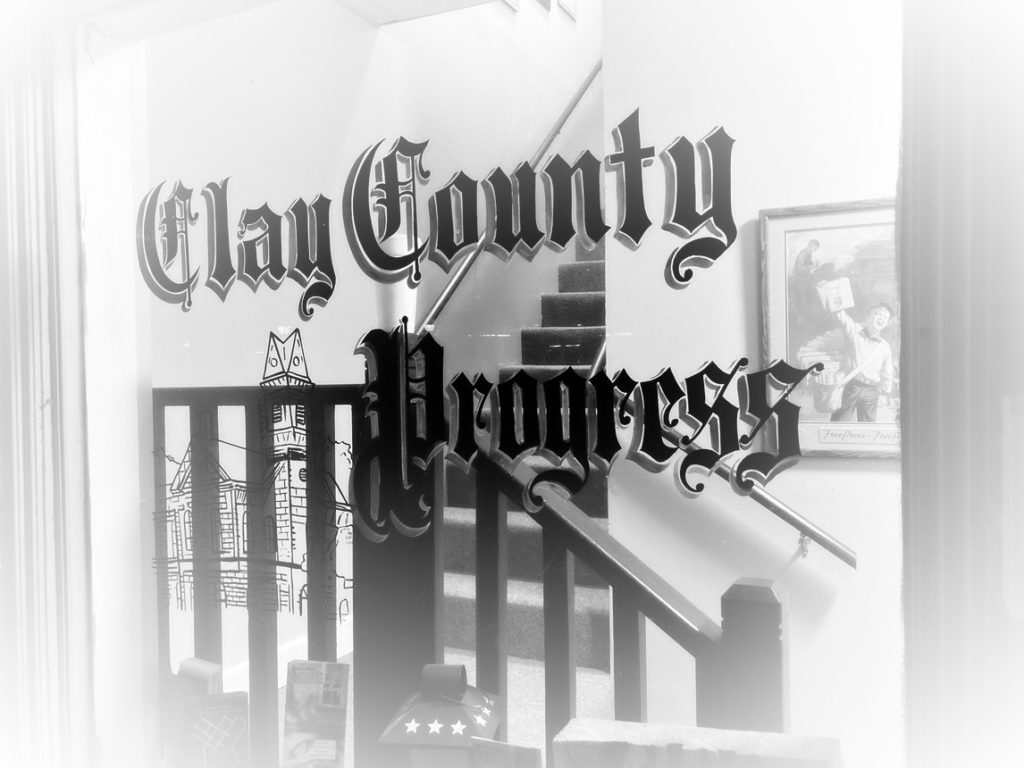
I stopped at the offices of the Clay County Progress. The hand-painted sign on the plate-glass window proclaimed they published the paper every Wednesday. Inside, the fella at the front desk put me on to a guy named Todd Forrest. A coatless Mr. Forrest received me cordially in his office and introduced himself as the publisher, editor, and chief reporter for the weekly. He was an energetic man of around fifty, with intense eyes, a receding hairline, and a slight paunch, accentuated by his scarlet suspenders. I explained I was a private investigator trying to trace a family who supposedly lived in the area, vaguely mentioning a last will and testament. In response to my question, he said he’d not heard of a household called Hubbard anywhere in the county, though he admitted it covered a large swath of land and many farms dotted its countryside.
He was an energetic man of around fifty, with intense eyes, a receding hairline, and a slight paunch, accentuated by his scarlet suspenders.
I asked about the burned-out bank, trying to sound only idly curious. Forrest shot me an odd expression, but confirmed the place had burned around two weeks earlier. He added that neither the sheriff nor the chief of the volunteer fire department was certain how the blaze started on the night in question. A witness had told the authorities he’d seen an unidentified teenaged boy running from the scene just before they discovered the inferno. It piqued my curiosity, but Todd told me the eyewitness’s information had led nowhere.
When I mentioned the name Muncie, the newsman looked surprised. He informed me the manager of the bank was a George Carver whose whereabouts elsewhere had been accounted for at the time of the incident. The only Muncie family the editor knew of in the area had been a widow and her son. The young man had been killed during the war and his mother had died a couple of years after that.
Before I left the newspaper, I mentioned I’d probably stick around until Monday so I could look at the county tax records just in case the Hubbard family was on the rolls. To my surprise, Forrest insisted on telephoning the tax commissioner to open the office that day for me. When I thanked the editor but said it wasn’t necessary, he pressed on with making the call. He leaned toward me in a conspiratorial fashion and advised the tax man was up for re-election in less than three months. He’d do anything, Forrest told me, to stay on the good side of the newspaper. We shared a laugh.
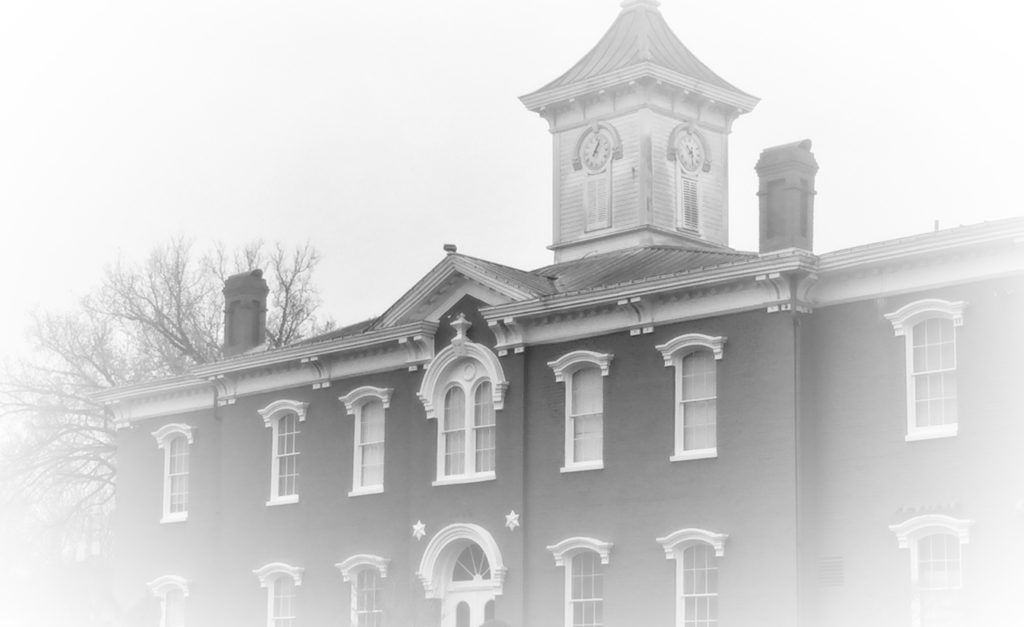
Forrest put on his suit coat and guided me to the courthouse one block off Grand Avenue. There we met County Tax Commissioner Danny Rutledge. As we walked to the records department, the official advised me he’d been in his position for eight years and didn’t recall any Hubbard’s on the tax rolls. A search of the tax documents confirmed his recollection.
Outside the courthouse, I thanked Mr. Rutledge for opening up on a Saturday and wished him well in the upcoming election. At my words, he tossed a hopeful glance at the newspaper editor, who smiled, but said nothing. During the return walk to Grand Avenue, I expressed my gratitude to Todd for his help. When asked for a recommendation for lunch, he heartily recommended the Bluebird Café at the south end of the main street.
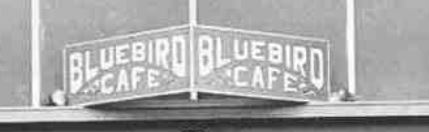
I located the eatery with no trouble. It looked like the ten thousand other hash houses where I’d faced the greasy dangers of a meal. Fortunately, mine would be a late lunch, because I wanted to sit alone and get a little information if it was available. The waitresses in these places usually had more tidbits of gossip than Walter Winchell. I prowled along the row of lunch counter stools until I found one at the far end with nobody seated nearby. A buxom, bottle-blonde, thirty-something woman made her way to me. Her name tag, riding high on a ponderous breast, read “Gloria.” I ordered the blue-plate special. She brought my coffee and cutlery, then departed for another customer. Before she returned, I laid a fiver on the counter.
A buxom, bottle-blonde, thirtysomething woman made her way to me.
When Gloria delivered the meatloaf platter, she glanced at the fin beside my coffee mug, then flashed me an up-from-under look. “That for your meal?”
I slid the bill in her direction. “No, that’s for you if you can help me.”
She threw me a come-hither smile. “That depends on what kind of help you’re looking for, stranger. That might be a start.”
“Just information.”
“Oh,” she replied with what I thought was a hint of disappointment in her voice. Perhaps that was wishful thinking on my part. “Well, what can I do ya for?”
“You from here originally?”
“Yeah,” she said with a dull grin. “Afraid so.”
“Ever hear of a family from these parts named Hubbard?”
Gloria shifted her weight from one leg to the other, throwing a lusty hip slightly out to the side, and leaned over the counter. She was overtaken by that blank stare people used to help their memory. Finally, her eyes drifted to me. “Nope. Can’t say that I have. Sorry.” She slid the five-dollar bill back to me.
I returned the money. “No. You keep it. I appreciate your time and effort.”
“Gee, that’s swell of you, sport.” She smiled seductively and folded and tucked the cash in the brassiere just under her uniform blouse. “Now tell me you want it back,” she winked. “If you do, you’ll have to find it.”
“I’d love to go looking for it, but I don’t have the time right now. I’ve got to hit the road. But when I return, will that offer still be open?”
“You’ll have to do that thing and take your chances,” she replied with all the allure she could muster. “What’s your name?”
“Gil.”
“I’m–”
“Gloria. I know. I read your ‘breastplate’.”
She reddened faintly, beamed, and eased away. “Be seeing you, Gil,” she tossed over her shoulder.
So that was that. The newspaper editor had clarified several points but gave me no new leads. Then again, he added to my questions, too. The tax rolls were a dead end. And the waitress at the biggest diner in town, who probably knew everybody’s business and heard every local rumor ever uttered, couldn’t help me. I finished my meal and, after a wave from Gloria, ambled back to my LaSalle, headed home. I was leaving with only a little more information than I’d had when I arrived. The thing was at an end. Sort of.
* * *
I never again saw the young man who called himself Vernon Hubbard. As time passed, I occasionally wondered what might have become of him. Every time I looked at Tommy, I thought of him.
Half a dozen years later, when the local newspapers started reporting the wounded and killed during the Second World War, I never saw that name listed. But then I couldn’t be sure of what I was looking for. Was his name something other than what he’d given me? Had he, in fact, come from the Hayesville area? I wondered if I was reading his actual name, unknown to me, among the casualties. I could only hope and pray that my effort with him that day hadn’t been wasted words. ©