
1930
Most times, it simply pays to mind your own business. I’ve tried to live by that credo, but my natural curiosity and the years I’d spent in the private detective racket often got in the way. So it was around six months ago.
* * *
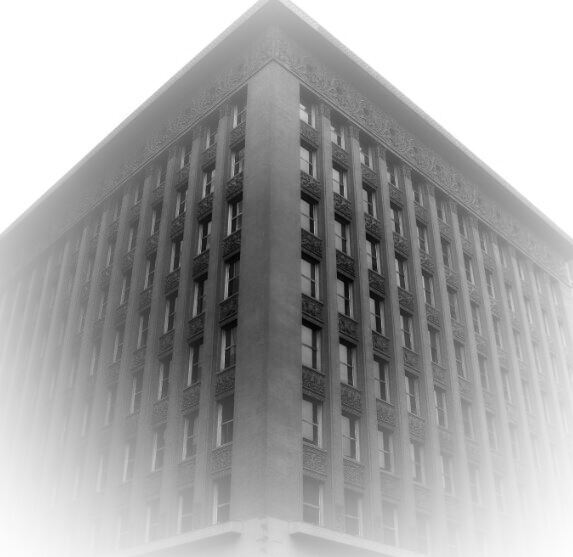
On a sunny Saturday afternoon in April, I was going to meet with a client named Monroe Gilstrap. The man was a doctor, a well-heeled physician with his medical office in the Manders Building on Audubon Avenue across from Middleton Square Park. His practice consisted primarily of doling out unnecessary prescriptions to swanky matrons who ate cucumber sandwiches, sans crust, at teas with other snobbish dames from the upper echelons of our city’s population.
Monroe had hired me to look into his fiancé’s past. More correctly, his old man, the truly moneyed member of the clan, had insisted his son retain me to protect him from the lady in question, one Miss Delphine Cantrell. The senior Gilstrap saw every woman who caught the younger man’s eye as a gold digger, interested only in Monroe’s and, in turn, the family’s financial assets. Though resistant to his father’s notion about the future Mrs. Gilstrap, the doctor dutifully went along with it and engaged me. Regardless of who conceived the idea of my employment, I was being paid handsomely for my efforts. Now Junior wanted to receive the results of my investigation.
The senior Gilstrap saw every woman who caught the younger man’s eye as a gold digger….
The only spot I could find to park my new LaSalle was on the Middleton Square side of Audubon Avenue. As I crossed the street and sauntered along the sidewalk, three men in cheap suits started spilling out of a black Ford Tudor sedan, sitting at the curb in front of my destination.
The largest of the trio, who carried a large Gladstone-like bag, nearly knocked me over. “Hey, bub,” he growled, squaring up to me, “watch where you’re going!”
A second man grabbed the toughie’s arm firmly, but smiled and spoke in a low tone. “Easy, Charlie. The gentleman meant nothing by it. It was an accident, I’m sure.” Turning to me, he attempted an apology. “Please forgive my associate, sir. He had a terrible night and just needs some rest.” His voice had a silky smarminess. Its smoothness couldn’t disguise a menacing quality.
I straightened my coat, shot my cuffs, and returned his grin. Trouble with these mugs wasn’t on my agenda at that moment. “No problem.”
The third guy emerging from the machine caught sight of me and looked away. In that split second, his face seemed familiar from an incident in my past, but I couldn’t put a name or a place to it. When I tried unsuccessfully to get a better look at him, I saw that a fourth fella remained ensconced behind the wheel. I didn’t see his kisser because he had his fedora pulled low over it, though a shock of gray hair peeked from under the back of the lid.
With bigger things on my mind, I moved on to the Manders’ entrance. When I tried to push through the building’s brass-edged, glass swinging doors, I found them locked. I knocked on them with enough noise to attract the attention of an elderly security man who appeared from behind a high counter to one side of the atrium. The florid-faced, whipsaw lean fella shuffled in my direction.
Through the door, the guy called to me the building was closed for the weekend. As he waved his hands in explanation, I noticed he was missing most of the index and middle fingers from his left mitt. I yelled back, advising him of my appointment with Dr. Gilstrap, who expected me. From a telephone at his station, he confirmed the information I’d given him. He returned and opened the doors. The guard allowed me to enter and sent me on my way to the elevator. Just as the lift was closing, I saw the three men from the sedan come into the lobby when he unlocked and cracked open the entryway to speak with them.
* * *
Monroe waited outside his office when I stepped into the third-floor hallway. Doctor Gilstrap’s usual breezy manner, which enthralled the dowagers who came to him, had evaporated under the pressure of his father’s attitude toward his impending matrimony. He was jittery. We entered his medical facility, sat at his desk, and set fire to smokes. The fag appeared to calm his nerves to an extent.
Doctor Gilstrap’s usual breezy manner, which enthralled the dowagers who came to him, had evaporated….
I filled him in on what I’d learned of his intended bride. There wasn’t much to tell, because Miss Cantrell had no history that might cause alarm, even to old man Gilstrap. She’d grown up on a decent-sized farm outside the small town of Ellis, Kansas. As an adolescent, she’d taught Sunday School. After graduation, Delphine brought the natural flare for fashion the young lady had exhibited through her teen years to our city. Here, with the help of her parents and a few small-time investors, she opened a modest dress shop just off Market Street. The enterprise had been very successful, serving some of the same women her soon-to-be husband cared for. The couple met a short time thereafter.
When I finished my narration, I answered the few questions he had. Then, I gave him a typed copy of my report. He’d want to show it to his old man, since the elder Gilstrap counted on his son getting a negative response. Monroe thanked me profusely as we rose and shook hands. Before I departed, the doctor presented me with a check for the balance of my fee.
* * *
The watchman had been correct. The structure was a ghost town, with seemingly every business closed. As I passed through the lobby to leave the building, I didn’t see the old fella but gave it no significance. In a momentary mental lapse, I paid no attention to the doors being unlocked, either. Out on the sidewalk, I noticed the black sedan was no longer where it had been when I’d arrived. Crossing Audubon to my car, I saw the Tudor parked at the curb several spaces from where it had been. The same man sat at the wheel. The scenario struck me as odd. My inquisitiveness got the better of me.
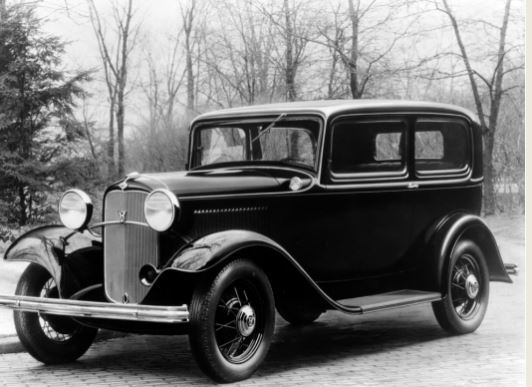
I detoured toward the heap. There was a pile of cigarette butts on the ground beneath the driver’s window. He wasn’t a chauffeur holding for his master. And he sure as hell wasn’t a cabbie waiting for a fare. The boiler’s operator put his hand to his face and turned away from me as I approached and passed. Something didn’t add up. In that moment, understanding of where I knew the third man getting out of the sedan earlier came to me. Though I didn’t recall his name, I recognized him as a cracksman I’d encountered several years before when he’d been sent to stir for his escapades.
I walked past the wheelman as casually as possible and scanned the vicinity. There wasn’t a copper in sight. When I thought the man’s suspicion might not be aroused, I broke into a trot toward the park to get an expanded view of the four streets that encompassed the area. From the base of the statue of a Civil War hero which stood at the primary entrance, I quickly surveyed the sidewalks. At the intersection of Middleton Boulevard and Concord Street on the far corner of the square, I spotted a harnessed bull talking with a dame. I took off to his location, this time running as fast as I could.
My loud footfalls caught the notice of the beat cop as I approached. He was Jack Lipscomb, a fella I knew well through my brother Marty, who was pals with a number of guys on the city police force. Jack acknowledged me when I was still a short distance away. The startled skirt he’d been chinning with moved to put the officer between us.
“It’s all right, ma’am,” he assured his companion over his shoulder before turning to me. “What’s all the noise about, Gil? If you were a shyster,” he laughed, “I’d figure you were chasing an ambulance.”
“I’m not positive, but I think there’s something nefarious up at the Manders Building.”
“Oh, yeah?” He excused himself from the young lady. Then he accompanied me as I hurried across the street and into the park. As we went, I explained what I’d observed and the circumstances of Manders being closed for business.
Suddenly, my chum veered off from our route of travel. “Hold on!” he called out as he ran. “This sounds like a situation that’ll require more than just me or even the two of us! I need to call this in!” I followed his lead.
The lawman hustled to a police call box on the northwest corner of the park. While he unlocked the thing, I checked to make sure the Tudor still sat where I’d last seen it. It did.
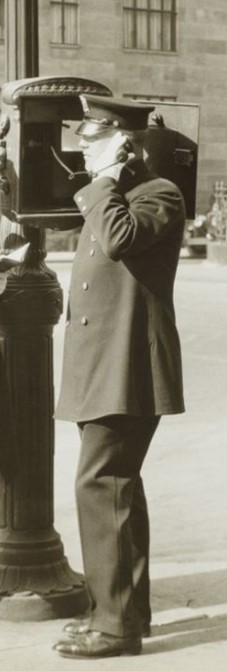
“This is Officer Lipscomb on 412.” I knew the box number told headquarters exactly where the patrolman was located. “There’s a possible burglary in progress in the Manders Building on Audubon Avenue…Yes. I’m headed to that location…Alone, but a Private Investigator Gil Tanner is with me…Yeah, he reported the incident…Will do.” The policeman slapped the receiver on its cradle and relocked the box. “Help is on the way,” he said as he drew his service revolver from its holster and checked the cylinder before replacing it. “But they told me you’re to stay here.” He shot me a wicked smile. “Are you with me on this, Gil?”
“I thought you’d never ask,” I chuckled.
As we walked south along the sidewalk toward the Manders Building, I pointed out the black sedan sitting at the curb. The gumshoe told me what he needed from me in the next few seconds. I agreed and picked up my pace to move ahead of the copper. Drawing beside the Tudor, I moved to the passenger door and asked the gray-haired man at the wheel for a light. He nervously turned to me and began touching his pockets in search of matches. Then I noticed beads of sweat trickling down his puss despite the chilly weather.
The gumshoe told me what he needed from me in the next few seconds.
Meanwhile, Lipscomb eased along the left side of the vehicle to the driver’s window and put the working end of his gat to the fella’s head. When he felt the cold metal against his skin, the older man froze.
“Okay, Pennington. Don’t move a muscle except to set your hands on the steering wheel where I can see ‘em.” the man complied. “Now, get out of the car slowly. No monkey business or I’ll put you down right here on the street.” Again, the guy obeyed.
I moved around to the pair standing in the road. “You know this thug, Jack?”
“Yeah. Name’s Claude Pennington. He’s better known in the ranks of the underworld as ‘Barney O.’ This numbskull has been a getaway driver for the society’s underbelly for years. A very good one, too, from what I understand. Thus, his nickname.” A slight smile played across the driver’s face. The officer patted his prisoner down and moved him to the sidewalk. “Where’re your playmates, Claude?”
The man shrugged. The flatfoot shoved his rod in the man’s gut hard. “Okay then, let’s go inside and find ‘em.”
Once in the lobby, we discovered the elderly watchman unconscious on the floor behind the counter. He had a large gash on his head. The thing bled steadily. I pressed my handkerchief into the wound to stay the blood. While I tended to him, Jack used the security fellow’s blower to call for an ambulance. The wail of a police siren in the distance came to us.
When Lipscomb returned to the injured man, he told me his name was Ernest Rice, a good guy. Marty had often spoken of how patrolmen get to know the businesses, shopkeepers and other people along their beat. Jack removed a ring of keys from the old man’s belt. Then, he roughly grabbed Claude and pushed him to a door behind the guard’s station. It was marked “Janitor.” The bull unlocked and opened it, turned on the light inside, and briefly stepped in to look it over. When he backed out, he shoved Pennington in and whacked him upside his head with his weapon. “That’s for the old guy.” The move, even for a cop as tough as I knew him to be, surprised me. He killed the light inside and closed and locked the closet.
…he shoved Pennington in and whacked him upside his head with his weapon. “That’s for the old guy.”
As he secured the door, I ankled to the lobby’s building directory hanging on a wall. There were a number of potential targets for the yeggs. Among the listed businesses, I found several finance and loan companies, which likely had cash in an office safe.
The officer joined me and searched the index. “There’s no telling what they may be after,” he sighed. “I think we might as well stay put and wait for ‘em here. There is an alley running behind this place. But there’s a heavy, locked door from there into the building.” The policeman pointed with his handgun. “That rear hallway leads from it to this lift and the stairs. We can station ourselves here and watch both. There’s not another way out.”
“Well, the joint has fire escapes. But they won’t know we’re here and the jig is up until they hit the ground floor, either in the elevator or the stairwell,” I opined.
“And when they do, we’ll have ‘em.”
So we set up astride the entrance to the stairs and the lift doors, which were positioned next to each other. Flattened against the wall, we sat tight with our guns at our sides. There were multiple sirens now, drawing closer.
After a few minutes, the elevator doors opened. The goon who had restrained Charlie earlier and the apparent leader of the group casually strolled out of the car. The can-opener in the crew followed him. Charlie caught sight of Jack and quickly jumped back inside. As he did, his hand fumbled at the back of his waistband and produced an automatic. When he raised it in our direction, Lipscomb fire twice before the hooligan got off a round. Both slugs found their target. The force of the bullets’ impact wrenched his roscoe from his grip. The gorilla slammed against the rear wall of the lift and slid to the floor, leaving a smear of blood as he dropped. A deep red stain spread across his white shirt in the area of his heart. He didn’t move.
We focused on the remaining thieves, who had frozen in place at the sound of the gunshots. They raised their mitts. One of the ringleader’s hands held the satchel I’d seen earlier. I relieved him of it.
Around this time, the front doors burst open and two more lawmen stormed in. In a matter of seconds, the lobby was lousy with enough uniformed cops to make up a St. Patrick’s Day parade. Ambulance attendants entered, treated the watchman, and took him away in their fast wagon. Less than a minute later, I saw a detective named Dan Dugan trudge through the entrance.
Uh oh, I thought. This might be trouble for Lipscomb.
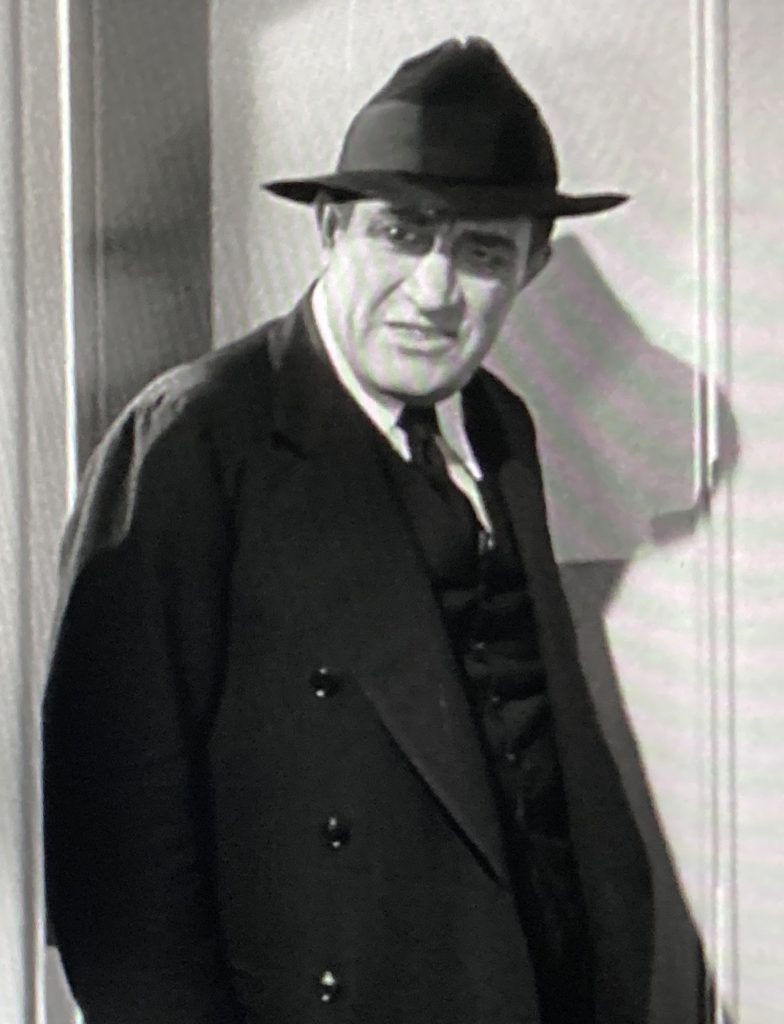
Dan “Iron Balls” Dugan was an older plainclothes bull rapidly approaching retirement. The police department lore handed down held that the gumshoe had started out as a solid, no-nonsense cop. After putting in time on the force, he’d been promoted to detective. At that point, he changed for the worse in many respects. He’d long since earned a reputation as a bully with a badge who’d just as soon beat the hell out of a suspect as eat when he was hungry.
I guess the man was our city’s answer to Johnny Broderick of New York City. Dugan was tougher than a nickel steak. Still, other than his penchant for doling out beatings to the criminal element, folks considered him a reliable, tough lawman. But not one you wanted to arrest you. My concern was he could be very harsh when dealing with his patrol officers, such as Lipscomb, who had disregarded his orders to keep me out of the incident.
Dugan was tougher than a nickel steak.
We were standing at the elevator while others handcuffed the surviving members of the gang and led them away. Dugan lumbered to our location.
He stopped to acknowledge the two yeggs, who could still breathe. “Well, well, if it ain’t Manny Katz and ‘Fingers’ Huggins? I thought you were doing a nickel upstate, Harry,” he addressed the safecracker as he was being taken away. He got no response. He turned to the officer. “What gives, Lipscomb?”
I started to speak up in Jack’s defense, but he beat me to the punch. “Mr. Tanner here located me while I walked on patrol near the park. He told me he suspected there was a burglary going on in this building and what had led him to that conclusion. It sounded like I’d need backup, so I called it in. Then I came here and discovered Claude Pennington sitting at the wheel of what was supposed to be their getaway heap. I took him into custody and brought him into the lobby. I found the security guard beaten and unconscious behind the counter there.” He jerked his chin in that direction. “That reminds me. Pennington’s in the janitor’s closet over there. I guess somebody needs to get him out and take him to headquarters. Since I–”
“What’s he doing here?” Dugan demanded, jerking his chin at me. “I’m sure you know to keep any civilians out of the way.”
“He wasn’t involved at all, sir. When he heard the shots, he came running to see if he might help. I was too preoccupied to worry about stopping him,” he lied smoothly. The big detective scratched his head doubtfully, but let it drift.
“Okay, you two!” he yelled at the closest officers. “Don’t just stand there! Go get that crumb outta the closet and haul his ass downtown! I’ll deal with him later!”
Jack explained the rest of the story as it had occurred, leaving out any involvement on my part. While he did, the croaker’s people showed up to attend to Charlie. In a brief time, they carried him off to the coroner’s facility. The patrolman never mentioned the conk on the noggin he’d given Claude. I supposed he figured it wouldn’t phase “Iron Balls”. They cuffed Pennington and dragged him away. Then, we made the trip to headquarters, where I gave a statement to Dugan that fit nicely with Lipscomb’s version of the events.
* * *
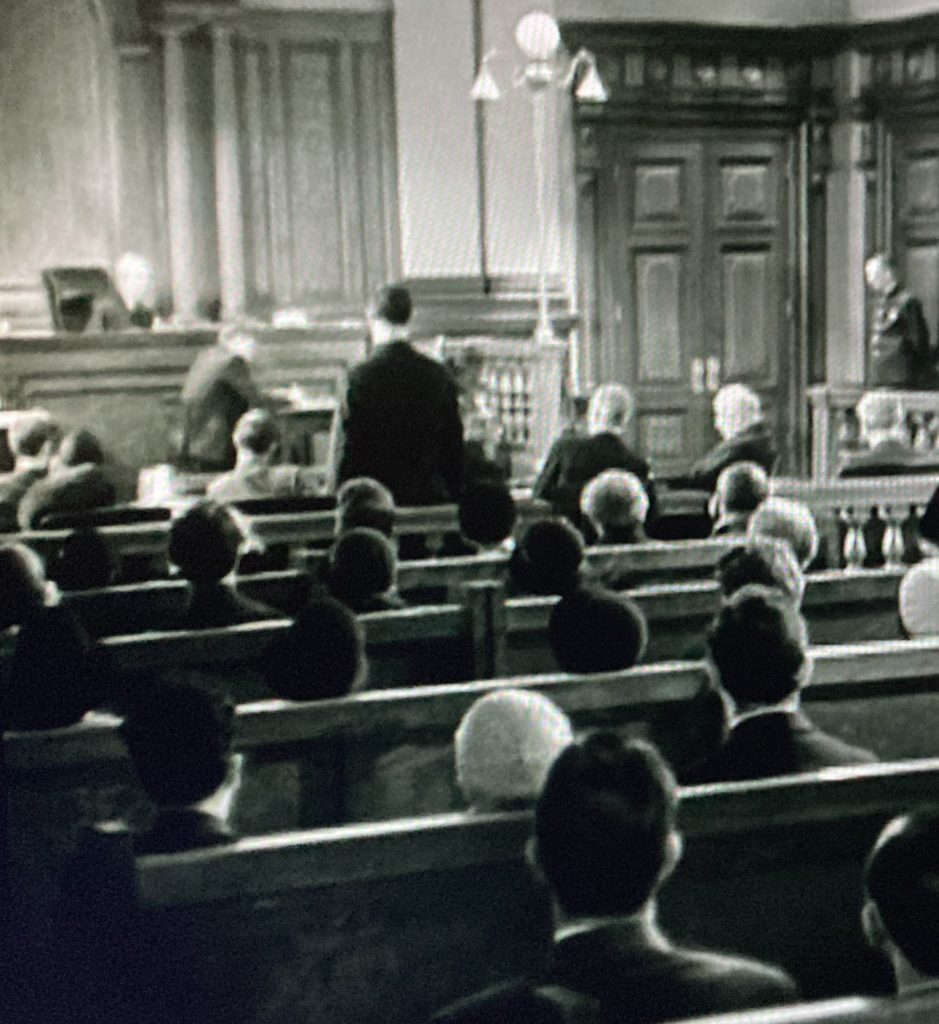
It turned out that the small gang of burglars was not connected with either mob that operated in our metropolis. They’d been freelancers. They had burglarized the Community Loan Company and robbed the safe of more dough than I make in a year. Manny “Cuddles” Katz, ironically nicknamed because of his ruthless, cold-hearted reputation, pleaded guilty. The judge sent him away for twenty years. Claude “Barney O” Pennington was given eighteen years as what the judge called a recidivist. Harry “Fingers” Huggins, the cracksman of the group, never saw the inside of the courtroom for his part in the crime. He died of a heart attack a week after his arrest. I understand that Charlie Fullerton, the plug-ugly who thought he should shoot his way out of a jam, had a quiet, sparsely attended funeral.
They had burglarized the Community Loan Company and robbed the safe of more dough than I make in a year.
Mr. Rice soon recovered from his injury and returned to work as a watchman at the Manders Building. Despite his gentle demeanor, he was a tough old bird.
The department decorated Jack Lipscomb for his “heroic stand while outnumbered by armed and dangerous criminals.” That day formed a bond between us that lasted our lifetimes. We never spoke of it, though, even when we were together imbibing at a speakeasy. He was a right gee. ©