
The following tale is another in my series of anecdotes from my early twenties when I worked in the engine rooms of cargo ships. I had many engaging adventures and came into contact with a host of people who would be labeled genuine “characters.”
A freighter I sailed on combined several interesting aspects of my time at sea. It provided me with a significant hands-on education regarding diesel engines when most of the U.S. seagoing maritime vessels were powered by steam. In addition, the journey aboard her was to the least desirable ports of call one might imagine. The merchantman made so many routine trips to the West Coast of Africa that she was disparagingly known far and wide as “The African Queen.” That lack of favorable destinations was countered because the crew comprised hard-bitten, salty, yet some of the most knowledgeable, amusing men I’ve ever encountered.
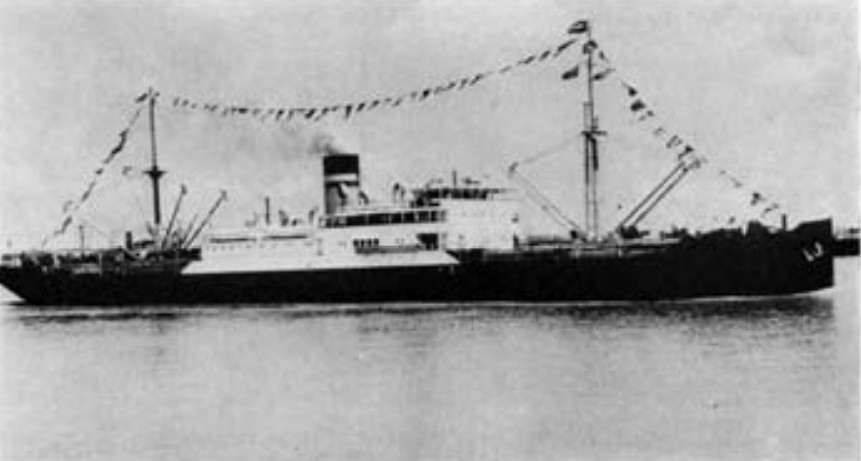
Built in Beaumont, Texas, in 1942, the MV (Motor Vessel) Del Campo entered maritime service in time to be strafed by the Germans during the Second World War. When I boarded her, it was one of those venerable vessels that plied the backwaters of the planet year after year. The down-and-outer wore the customary coat of rust-streaked black paint. What she lacked in refined appearance, the tub more than made up for in slowness through the water.
Anyway, I settled in and began working and familiarizing myself with the engine room. The second day out of our last American port, the toilet in my cabin broke. It would not flush. Not to put too fine a point on it, but it failed to do so at the worst possible time. I quickly determined it could only be repaired with parts our ship’s storeroom didn’t have. The chief engineer also informed me we wouldn’t find the items in any of the overseas ports on our itinerary.
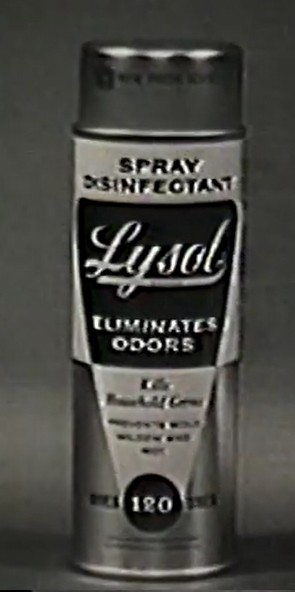
Since there were no other accommodations available aboard, the purser gave me a case of Lysol Disinfectant Spray, a bucket to use instead of a john, and a “good luck” slap on the back. I soon realized that the aerosol cans, which optimistically proclaimed their ability to “eliminate odors,” fell far short of their assertion. And I learned a whole new meaning of the phrase “using the can.”
At that time, Lysol wasn’t manufactured with the “garden scents” of today’s product. It came with only a strong industrial odor–my memory refuses to let me use any term such as fragrance or aroma. The thing could not overcome the stench produced by my cabin’s latrine. I kept the bathroom door closed except when I pushed a can through an arm-sized opening and applied what I considered an overabundance of the aerosol stuff each morning. Then I held my breath for a world-record stretch while I shaved and showered.
Then I was faced with schlepping the bucket out to the ship’s stern to dispose of the waste. I had to be careful not to toss the contents into the constant wind and to make certain no one was around who might be splashed with it.
Obviously, I survived. However, to this day, I have an aversion to any Lysol aerosol application and to the particular shades of blue-green and gold the cans came in. When I recall that two-month trip, I realize the experience was much like many of the challenges life throws at us. Sometimes we just have to hold our noses, put our heads down and work through it. ©