
AUTHOR’S NOTE: This month’s story introduces a new, recurring main character named Gil Tanner. Tanner’s a cynical, hard-drinking, somewhat reckless 1930s private investigator with an off-beat sense of humor and less-than-Hollywoodish good looks (by his own reckoning). He lives and works in a large city “east of the Mississippi.” There will be other assorted characters who appear with him regularly, such as Gil’s policeman-brother, Marty, his full-time bartender / sometimes shrink, Harry and so on. All the Gil Tanner stories will be written as an author might have created them at the time in which they take place, the 1930s. As a result, the narration and dialogue contain terms and slang commonly in use by people and authors at the time. Several of the words and their usage in this context have passed from the common language. I offer the Jargon page to aid the reader.
The Third Monkey
First, let’s dispense with the introductions, if you even care. I’m a private detective in a large city east of the Mississippi. Which one doesn’t matter, unless you’re trying to get out of the place. They look alike when the cold, gray sky can’t seem to decide between darkness and dawn. Anyway, private investigation is my racket. In the world of 1936 literature, or what passed for it, I was what the writers of pulp fiction also called a shamus. Often they referred to my ilk as a gumshoe, a private eye or a private dick, although I’ve never much cared for being called any kind of dick. Sometimes, people called us operatives. But the only things I operated well at the time were a telephone, a 1930 LaSalle, and the top off a bottle of hooch.
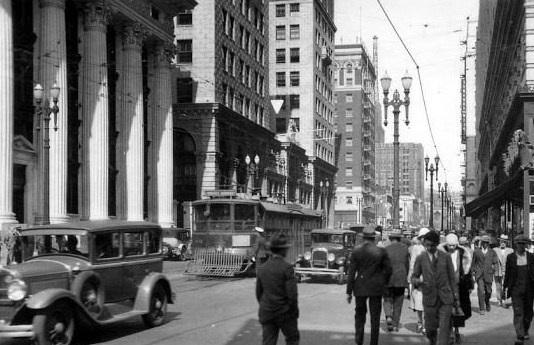
I’m a private detective in a large city east of the Mississippi.
One rainy day in early spring of 1936, I was sitting in an out-of-the-way bar, euphemistically called Harry’s Paradise Tavern, on a dismal street in our fair metropolis. Drowning my sorrows, as they say, was my primary aim at that moment. My business was slow. Harry’s wasn’t much better, but I did my best to keep him afloat. I’d spent the afternoon drinking and thinking about a woman I used to love. That day, the gal was just a pothole on memory lane, but, like potholes, sometimes you miss them.
That day, the gal was just a pothole on memory lane, but, like potholes, sometimes you miss them.
I’d wrapped myself in a recollection of her and me in a cheap hotel room with a bottle when a dame walked into the bar. Now, a broad in this joint wasn’t rare, but one of this class was. The doll was as shapely as the hood ornament on my LaSalle and dressed to the nines in a delicate green chiffon outfit with matching shoes and handbag. And she was the sort of girl you wanted to take home to meet the parents, if only you could trust your dad. Showing below her knee-length dress were gams to make a two-legged wolf piss down his leg and howl at the moon. It’d been a long season without “rain” for me, if you get my drift.
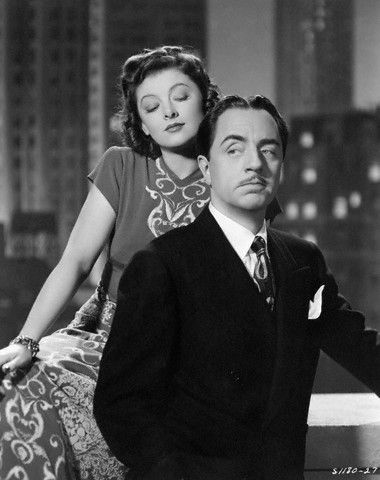
Despite the place being empty for the most part, she floated across the room and landed on the bar stool next to me. The perfume of her skin came to me. As much as I fought the urge, I eyed her sideways. The way she held her chin high, but with grace, reminded me of Myrna Loy’s character in the motion picture The Thin Man. I’d seen it at the Modjeska Theater over on Broad Street a while back. Graceful, intelligent, but with a hint of recklessness, she was.
When she ordered a Ward 8 cocktail in dulcet tones, it made my loins ache. That was about the time she caught me peeking at her. The woman raised the glass to her lips and turned slightly, watching me. I smiled weakly, like a kid caught with his hand in the cookie jar. I nodded. She returned the nod without speaking and turned away. I shifted my gaze to the area behind the bar occupied by Harry, my full-time barkeep and part-time shrink. The proprietor glanced at the auburn-haired dish and moved his eyes back to me. Harry arched his eyebrows in a way that imparted words such as wow, zowie, oh brother, and so forth. The actual words weren’t necessary. I took his meaning.
The lady half turned slowly on her seat to face me. “You must be Gilbert Tanner.”
Taken aback by her speaking to me and knowing my name, I mumbled something along the lines of, “Well, I don’t have to be, but it just so happens I am.”
“Private Investigator Gilbert Tanner,” she said with an earnest face.
It was more a statement than a question. And again, it caught me off guard. “Say,” I said with a wry smile, “I’d ask you if we’ve ever met, but I already know the answer for two reasons.”
“You do?”
“Yeah. If we’d ever met, I’d certainly remember you,” I grinned like a hound in a butcher shop.
She smiled shyly but without real coyness and did her best to blush. “What’s the second reason?”
The girl feigning bashfulness took the luster off the moment. Hell, maybe I was misreading her as I’d misread the “pothole” I mentioned earlier. I heard somebody say once, or maybe I read it, nature abhors a vacuum. In the same sort of mindset as Ol’ Mother Nature, I don’t go for coincidences, but I decided to play along. “Well, doll face, if we’d have met before, you’d know to call me Gil.”
“Oh, you are a detective,” she said, teasingly with a smile that would melt Admiral Byrd’s base camp. I liked this dame already. “Seriously, no, Mr. Tanner, we’ve never met. I was looking for you.” Her honeyed delivery wiped away the misgivings I should have been listening to.
“You don’t say?” As I sipped my drink, I kept my eyes on her. “How’s that?”
She turned on the bar stool to face me. Lovely knees brushed against my leg. Not hard, just enough to form a lump in my throat. I knew she wasn’t searching for me for romantic reasons. My older brother–the one on the police department payroll–had the handsome face between the two of us. Marty’d gotten his looks from our dad; our mom had always kept hers. I’d gotten mine from the family pet. “I need a man with your skills as a private investigator.”
Lovely knees brushed against my leg. Not hard, just enough to form a lump in my throat.
I thought to move my leg but didn’t. Instead, I set fire to a cigarette and offered the twist one. She took it and seductively placed it between her lips. As she leaned toward my match, I was able to croak, “That so? And what skills would those be?” Somehow, my voice didn’t crack. I cleared my throat and tried to look the strong, manly type. I needed the work.
The dish blew a thin plume of smoke, looked around cautiously, and spoke low, “I need someone located.” Then, she glanced at the tip of her cigarette nonchalantly.
I gave Harry, hovering nearby, a meaningful glare. He’d been wearing the shine off the pony glass he’d been drying for the last five minutes as he lingered near the recent arrival. This time, he took my meaning and slowly, reluctantly shuffled to the other end of the bar, still drying the same glass. Filling the time while he moved away at a glacial pace, I asked the looker, “So how did you happen to come in here to my office ‘annex’?”
“Oh, I didn’t just happen to come in here.”
“No?”
“Oh, no. I went by your office. While I was knocking on your door, your nice neighbor came out into the hall and offered me a place to sit until you returned. When I told him I couldn’t wait, he told me where I could find you this time of the day.”
“Nice neighbor?” I paused for a second in thought. Then it hit me. “Oh, the one with the rubbery face and a slack mouth?”
She nodded sharply over her drink glass. “Yes, that’s the one. I told him I was from out of town and he offered to help me find you.”
“That would be Lester,” I moaned. “And I’ll bet he offered to help.” My tone was more cynical than I’d intended. The doll’s face showed a faint surprise. Trying to recover, I added, “Well, I mean that’s Lester all over. Extremely helpful. Yes, very helpful indeed.” “Lester the Letch” or “Lester the Molester,” as we generally referred to Lester Osgood in our building, had a reputation for “helping” young women.

The man was a photographer by trade. By day, he spent his time trying to get the faintest of smiles from snot-nosed rug rats while their mothers stood behind him and his camera in hopeful expectation. By night, the rumors had it, Lester had a flourishing business in what was known as the “French postcard” trade. Despite complaints and allegations, nothing ever came of it. After all, being the mayor’s brother-in-law carried some weight in our city.
By night, the rumors had it, Lester had a flourishing business in what was known as the “French postcard” trade.
“Well, this doesn’t seem the type place we should discuss your problem. Why don’t you finish your drink and we can go back to my agency and talk, Miss …, uh? Say, you never told me your name.”
“It’s Sally. Sally Lou Ritzi.”
I’d have offered to buy her another drink. But, if I’d rummaged through my pockets at that minute, there might have been just enough scraped together to buy the evening edition of a local rag. Did I mention business had been really slow lately? The truth be told, Harry let me drink on the cuff occasionally. Because I didn’t know where the circumstances with this dame might lead, I didn’t want to use up his good graces. Besides, our old man always told my brother and me never to try to impress a woman for one simple reason. If you do, she’ll expect you to keep up the standard for the rest of your life. Funny advice coming from a guy who never did anything to impress anybody, much less our mom.
I stubbed out my half-smoked cigarette in an ashtray on the bar. The heart-shaped faced beauty sitting next to me casually dropped hers into her liquor glass. My eyes shifted to Harry. I knew how much he hated it when customers did that. But I also knew full well he wouldn’t bat an eye because she was such a darb. I grabbed my hat from the seat next to me, and Miss Ritzi and I headed toward the door. The rain had stopped.
* * *
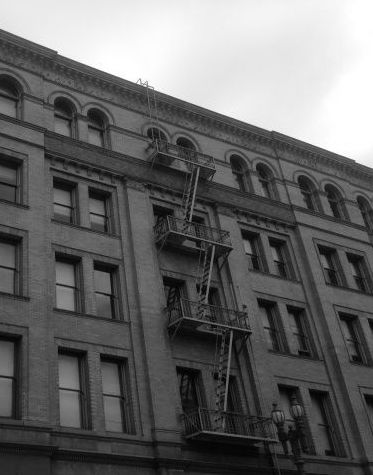
By the time we arrived at my office building, it was after normal working hours for the average Joe. Lester stood in the hall outside his studio as the skirt and I stepped off the cage elevator. He was talking in low tones with an attractive, slightly plump woman. The conversation suddenly stopped as we approached. Lester eyed my companion before glancing at me and grinning. We exchanged nods. I unlocked my office door and opened it for Sally. She turned from studying the couple in the corridor and, as she entered the office, whispered, “She certainly is Rubenesque, isn’t she?”
Glancing one last time at the pair in the hall, I joined Sally. “Yeah, I’d say she’s eaten a few too many Reuben sandwiches, all right.” My visitor showed a blank face at my attempted humor. I closed the door and moved on. “So, have a seat and tell me what I can do for you, Mrs. Ritzi.”
“Oh, it’s Miss Ritzi,” she smiled sweetly. “But please call me Sally.”
“Okay, Miss …, um, Sally.”
“I’m searching for a man who absconded with a great deal of money from my father’s company.” As I listened to her response, I stood at my desk and removed my coat and the shoulder holster for my .45. It usually got heavy this time of the day. The .45 was the only caliber gat I carried, and I owned two of them. The other one was resting in a drawer at my knee. Whenever I shot a man, I wanted him dropped. Several guys I knew in my line had various caliber weapons for their work, but that wasn’t for me. The interchangeable magazines were a plus. Across the desk, Ritzi exhibited alarm and stopped talking when I laid the gun and holster down.
“I’m searching for a man who absconded with a great deal of money from my father’s company.”
“Is there a problem, Sally?”
“No. I’m just not accustomed to being around guns. That’s all.”
“Go on with your story,” I said with slight impatience, as she paused.
Miss Ritzi took up her account of the situation, “My father’s dying. I promised him I’d get the money back. It belongs to the shareholders. Although a lot of stockholders have lost everything in the Depression, my father has managed to keep the company solvent and continued paying investors back. Many of the small investors have their life’s savings tied up in his company. They are counting on him. And now his partner has done this to him.” Suddenly, she burst into tears. I tried to get a handkerchief from the back pocket of my pants, but the woman retrieved a hankie from her handbag ahead of my efforts.
As she dabbed her eyes, she continued, “The loss of this money and the idea of letting the investors down is killing him. He’s dying a broken man,” she sobbed through the handkerchief. After a minute, she went on, “Father had just sold part of the company to a wealthy investor for cash. Then Mr. Lowery disappeared with it.” She buried her face in her hankie again. I toyed with the letter opener on my desk while she sobbed.
Sally’s moans slowly subsided. As they did, a female’s giggling came through the wall separating my place from Lester’s studio. My visitor glanced up at me with a questioning look. I smiled sheepishly and stammered some half-assed explanation about the photographer next door working late. She shook off the distraction and explained her father’s company was located in a city quite a distance from where we now sat. The woman had traced the thief to this municipality. However, being unfamiliar with the area, Sally was seeking professional help to find him and retrieve the money or whatever may be left of it.
“So, Sally, how much money did this Lowery fella steal?”
“It was over seventy-three thousand dollars.”
Without meaning to, I let out a long, low whistle. Never had I contemplated that much money. Even in the days when I was somewhat flush and sprang for the LaSalle, I never dreamed of such a sum. “Why don’t you just go to the police?”
“That may well lead to unwanted publicity. Any negative press can only make things worse. It would kill any confidence the stockholders have in father and his company. He just couldn’t take it. Besides, we don’t have any hard evidence, Mr. Tanner. The police won’t give it a second look.”
“Gil.” Her eyebrows furrowed. “Call me Gil, Sally. Well, what makes you think Lowery took the money?”
“Well who else could it be? One minute the cash was sitting in the company’s safe just after the sale, waiting to go to the bank. The next, the cash and my father’s partner disappeared. There was no indication Mr. Lowery had any trip planned. It’s certainly no coincidence.” She gave me a weak smile that begged for help. “As a woman, I can’t very well confront him and demand the money. I know he’s in this city but don’t know where exactly.”
She gave me a weak smile that begged for help.
I rubbed the stubble on my chin. “I see. No. No, you’re right. A mug with enough moxie to steal that kind of money isn’t likely just to hand it back to you on your say-so.” I smiled mischievously, “It may take a bit of persuasion.” She merely looked at me with a blank gaze.
By this time in a conversation, prospective clients normally express an interest in my rates. Maybe, if her old man could keep a business afloat in this economy, money wasn’t a concern. It always seemed to be a problem for me. So, because Miss Ritzi hadn’t broached the subject, I eased toward getting it out of the way. Pushing away from my desk and leaning back in my swivel chair, I took a long drag on my gasper and related, “Sally, I get twenty dollars a day plus expenses. If I incur any expenses, I’ll give you an itemized list as we go along.”
Sally opened her purse again and counted out one hundred fifty dollars in nicely printed U. S. currency. The girl gently laid the dough on my desk. “All I can give you right now is enough to pay for a week of your time, less expenses. I’ll get more when the banks open Monday.”
With as much calm and restraint as I could muster, I reached across the desk, gathered up the cash, and placed it in a desk drawer. I’d not seen so many Lincolns or Hamiltons together at one time in a long while. The government had changed the ten-dollar bill’s portrait back in ’29 from Andrew Jackson to Alexander Hamilton, the first Secretary of the Treasury. The story I’d heard was the intent was to restore faith in economic power of the country and its currency during the turbulent financial times. I can tell you my faith in the economy was growing by leaps and bounds at that moment. “I’ll tell you what, Sally. Let me go to work on your case and see what I can find out. If I need more money from you, I’ll let you know. This should be enough for the time being.” She nodded gratefully.
Over the next half hour or so, through several cigarettes and cups of coffee from the office pot, Ritzi vaguely described how she’d tracked Lowery here. I wasn’t sure I fully understood the logic of her pursuit or how she’d managed it. But I could feel the warmth of her cash through the wooden desk drawer, so I let it drift. Sally explained, to her knowledge, Milton Lowery neither had family nor knew anyone here locally. She also gave me a thorough description of the man and filled me in on his personal habits and foibles, as far as she said she knew them.
I wasn’t sure I fully understood the logic of her pursuit or how she’d managed it.
One thing stood out: The man was crazy for Italian food. I figured that tidbit might help the search by narrowing his probable hangouts to the handful of Italian restaurants in town.
Sally finished by explaining, though her father was ill, he was stable enough for her to remain in the city for at least a short time in case I came across Lowery quickly. Meanwhile, she’d stay in close contact with the family doctors. I reckoned it was her call.
When we’d finished, I stood to show my client to the door. As she rose from her chair, a loud moan came through the wall from next door. While I pretended I’d not heard it, a faint, knowing smile quirked at the corners of her lips. After I’d walked her to the elevator and returned to my office, I stood next to my wall adjoining Lester’s studio. In a loud voice, I called out, “Yes, detective, I heard noises from next door sounding like somebody being hurt! Maybe even killed! That’s why I called the police! You need to check it out!” Through the wall came the sounds of two people scurrying to get dressed and resume the appearance of propriety. I laughed quietly and left the agency for the day, but not without Sally’s money resting comfortably in my breast pocket.
* * *
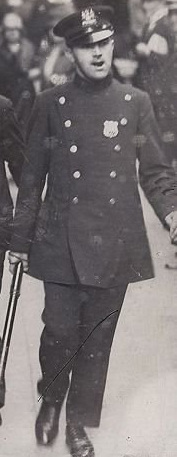
Early the next morning, I tracked down my brother Marty, the cop. He was walking his beat in an older neighborhood on the west side of town, as usual, casually spinning his nightstick. He was a big galoot and hard to miss in or out of uniform. Marty was four years older than me. He’d made the most of those years. After quitting school, he served two years in the Coast Guard, chasing and trading potshots with rum runners. “Hooligan’s navy” was always what our old man called his outfit.
I caught up with my brother Marty, the cop … walking his beat ….
When Marty tired of getting shot at, he tried out for and played for the Dayton Triangles professional football team. He stayed with them for several years until a syndicate bought the team and moved it to Brooklyn in 1930. By that time, Marty had had his fill of the game. He held no desire to go to Brooklyn, especially with a team which had, in recent years, become a doormat to the rest of the league. Marty often laughed that the football circuit wasn’t rough enough. Later, he said, he became a copper so he could take out his anger on bad guys.
In quieter moments, he’d talk to me about how he’d simply been ready to settle down and start a family. So, he came home to help look after Mom. Dad had died the year before Marty’s return. Mom had followed Dad soon after my brother’s homecoming. Now married, the big bull had a toddler and another kid on the way. Donna, his wife, was a swell girl and had a great calming influence on Marty.
“Hey, Marty. How’s it shakin’?” I asked, as I fell in step with him on the sidewalk. I tossed my cigarette against the front wall of a nearby building. It ricocheted and landed in a shower of embers.
He gave me one of his enormous grins, “Doin’ God’s work. What’s the word, Buster Brown?”
“I want to ask a favor.”
He scanned the block, stepped around a fireplug, and kept moving. “Well, ask it walking.”
“Have you heard any talk around the station house about some guy named Milton Lowery? New arrival from out of town.”
After a second or so in thought, my brother shook his head. “Nope.” His eyes crawled sideways in my direction. “What’s his story?”
“I’m working for somebody who claims he stole a huge amount of money.” I tossed a big smile at him. “And I do mean some body.”
Marty ignored the comment and declared, “So, go file a report with a detective.”
“Not the sort of situation that lends itself to police involvement.”
He stopped suddenly and held out his arm, palms up, dangling his billy club from a couple of fingers. “Whaddya call this?”
“You know what I mean, smartass! The woman can’t make an official report because of the impact it’d have on her dying father. He’s the true victim of the theft.” Marty waggled his head and continued walking. I moved with him. “Anyway, I’m trying to track this guy down to recover the money. If I can find him with the money, the police may get involved anyway.”
He stopped abruptly and turned to me. “So, this frail’s got you running around hunting her dough for her. Let me guess! This honey’s a real looker, right?” Without waiting for a response, he finished, “I hope you’re getting paid this time!” Then, he continued to walk his beat.
I caught up with him and his long strides. “Of course, I am! When did I ever-?”
“Hold your horses, Hopalong! What about the blonde dame who got you to find her ‘brother,’ only to learn it was really her former fiancé who’d jilted her? Didn’t get paid for that one, as I recall!” he trumpeted, his voice echoing off the nearby brownstones. An old lady sitting on a stoop down the block stared our way to see what the hubbub was. “And then there was–”
“Okay, okay! But this is different!” I snapped, lowering the volume of the conversation and patting my breast pocket. I hadn’t made it to the bank yet.
Marty gave me another big grin. “Just lookin’ out for you, little brother. So, what’s the mug’s name again?”
“It’s Milton Lowery. I just figured he might show up on a blotter for some reason.” I gave Marty the guy’s physical description and took my leave after he promised to ask around discreetly and call me if he heard anything. As I walked away, Marty was rousting a guy passed out on the steps of a nearby brownstone. The big flatfoot was giving him hell for being drunk out on the street in the morning where the kids walking to school could see him.
After depositing most of Sally’s advance in what remained of my bank account, I took care of a couple of other matters. Then, I made my way to my favorite Italian eatery, Cappacino’s, for lunch. Mama Cappacino was by the door greeting everyone as usual. When I asked if she’d sit with me for a minute, she agreed and found us a booth.
* * *
Mama Cappacino and I had a bit of history together. A few years earlier, the coppers accused her then seventeen-year-old kid, Geno, of stealing an automobile. Although he was something of a punk, the accusation against him was based on the word of two very real juvenile miscreants. The police detective assigned to the investigation didn’t feel the need to look further into the facts. In the meantime, working for Mama on the cuff, I ferreted out the truth of the whereabouts of Mrs. Cappacino’s little angel when someone glommed the flivver for a joyride.
Master Cappacino wouldn’t give up his alibi for sundry reasons. He’d been doing the big naughty with a neighborhood girl at the time. Later, I’d wondered whether it was because he truly cared for the girl which he claimed. Possibly it was because her father was a huge, unforgiving, mean son of a bitch, to which the entire neighborhood could attest. Whatever the reason, I discreetly put the evidence to the unhappy detective, who dropped the charges against Geno.
As a result, I’d been in Mama Cappacino’s heart since getting her little cherub out from under John Law’s interrogation lights and rubber hoses. When the dust settled, just for good measure, I had a heart-to-heart talk with the kid because his old man had passed several years earlier. The picture of this Anglo-Saxon PI playing the Dutch uncle to an Italian kid must have been a sight to behold. I’m not sure the sermon took, but he’d not been picked up by the law since. In gratitude, Mama occasionally fed me on the cuff when my business was withering on the vine. Sometimes, but not often, I’d take her up on her offer. As with Harry, I didn’t want to wear out my welcome at Cappacino’s.
I’d been in Mama Cappacino’s heart since getting the little cherub out from under John Law’s interrogation lights and rubber hoses.
* * *
So, Mama led me to a booth situated under a large, framed photograph of Benito Mussolini. He was the guy who’d stirred up the trouble in North Africa the year before. While I kept my opinions about him and his fascist pals to myself, I briefly explained to her who I was looking for and why. Though my details were scant, she said she understood and would be on the lookout for Lowery. She’d call me if he showed his puss.
When we’d finished the business end of my visit, she gave me another of her lectures on my need to find a nice girl and settle down. The heavyset woman’s eyes twinkled as she suggested a friend had a daughter who’d be perfect for me. I smiled, waved off the idea with a casual hand gesture, and assured her my life was fine as it was. After a big bowl of spaghetti and golf-ball-sized meatballs, Mama gave me a strong hug as I left the restaurant. Somewhat flush again, I paid this time.
After the visit to Cappacino’s, I made the rounds of several other Italian restaurants with which I was familiar. It was the height of the lunchtime trade. Aside from several glasses of Chianti and a slight buzz, I walked away with nothing, no leads on Lowery. After three days of the same routine at lunch and dinner, I was certain I’d overdose on pasta or marinara sauce at any time.
In addition, I contacted an acquaintance who kept an ear to the ground regarding the city’s criminal underbelly. He’d drop a nickel on his grandmother for a sawbuck, but he was reliable and promised to ring me if he got any word on Lowery.
He’d drop a nickel on his grandmother for a sawbuck, but he was reliable.
During that time, a circuit of the hotels in town also brought goose eggs. I didn’t expect Lowery to check in to a joint using his actual name, but I was hopeful just the same. His description didn’t ring any bells with anybody either.
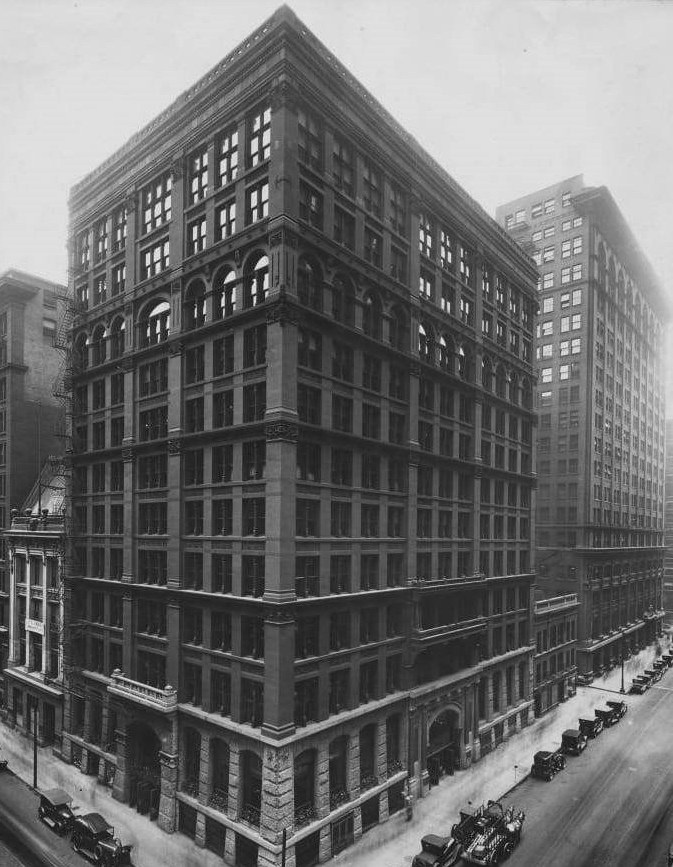
That afternoon, I called on Sally Ritzi at the place she was staying. The Claremont wasn’t the ritziest, no pun intended, place in town but it wasn’t a fleabag, by far, either. They swapped the dead flies in the ceiling light fixtures out on a regular basis. I called up to her room and invited her to dinner so I could bring her up to speed on what I’d been doing on her inquiry. After a brief time, she met me in the lobby. She was wearing a brown and white print dress which showed off her figure. A matching hat and handbag topped off the outfit. Ritzi gave me a big peck on the cheek in greeting. I’m too embarrassed to say how that made me feel.
We spoke for a minute, during which I suggested dinner at the place of her choice. Much to my stomach’s disappointment, she decided she wanted to eat at an Italian restaurant. We left her hotel under lowering skies, but the rain held off as we drove the LaSalle to our destination. I took her to Cappacino’s because the food was good and so Mama Cappacino might figure I had something of a life worth living. I got an obligatory hug from the restaurant’s proprietor as we came through the door. Mama snuck me an approving smile as she showed us to an out-of-the-way booth and lighted the candle stuck in the top of an old wine bottle. As the matronly lady bustled away, Sally grinned broadly after her. “It looks as if Milton Lowery is not the only one who frequents Italian restaurants.”
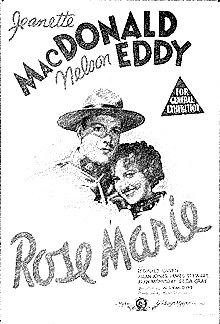
I chuckled and asked her how she was getting along in a strange city. She related she’d used her time checking on her father’s condition and window-shopping. She added she’d taken in the new Jeanette MacDonald – Nelson Eddy moving picture show, Rose-Marie, at the Loew’s Theater down the street from her hotel. When she asked whether I’d seen it, I told her I didn’t particularly care for romantic musicals. I admitted I was more likely to pay to watch Edward G. Robinson or Cagney in something like ‘G’ Men which had come out the year before or maybe a murder mystery. She made a joke about my choices being a busman’s holiday. We shared a laugh and ordered our meals when the waiter appeared.
Then, her pretty face grew serious as her eyes moved around the room. She leaned across the table and dropped her voice. “Gil, I have to admit I’m afraid. Really afraid. What do I do if I ran into Lowery on the street? Or if he cornered me on a side street?” Her eyes watered.
“Gil, I have to admit I’m afraid. Really afraid.”
My heart sank as I watched her face show sadness and fear. Hesitantly, I reached out and took her hand. “Well, from what you tell me, sugar, the guy’s a thief, not really a physical threat to anybody.” No response was forthcoming. Just tears. “Right?” I asked.
“Yes, I guess. But, Gil, seventy-three thousand dollars is a lot of reason to turn nasty and hurt someone who might try to stand in your way.” She fumbled to retrieve a hankie and dabbed her eyes pitifully. I had to start keeping my handkerchiefs where they were more accessible. “I’m just scared, period.”
“Listen, you need to go home and take care of your father,” I suggested. “Let me handle things at this end. I’ll call you if I come up with anything, Sally.”
She went silent for a minute before she pleaded her case further, “But I can positively identify Milton as soon as you find him. And, if the police need to get involved, they’ll need me to corroborate his crime to arrest him and get our money back, right?” My client shook her head sharply and pulled her hand from mine. “No. So long as father is all right, I’m staying until you resolve this thing.” After a minute, she added, “I’m just very frightened with no protection.”
“Well, I don’t have an answer for your problem in that regard. Can you think of anything beyond what I’ve proposed?”
Ritzi gaped at me steadily with a grim visage. “Do you have a gun I can keep with me? Just while I’m here?” she begged. “I’ll never even take it out of my pocketbook unless I’m threatened and forced into a corner.”
“Do you have a gun I can keep with me? Just while I’m here?”
The question stunned me. The idea hadn’t occurred to me. I thought it over for a minute. The only guns I owned were the two .45 calibers. I assumed they’d be a little too weighty for Sally to carry around and to handle. And I wasn’t enough in the chips to buy a gun I didn’t need. Besides, I recalled she’d told me she’d never been around guns much. The whole idea seemed preposterous. These thoughts passed through my mind as the woman watched me intently.
Suddenly, it was as if she’d read my thoughts through my face. “I can handle a gun okay, Gil, I’m sure. Especially after you show me some things about it. Please, Gil.” She released a moving sigh.
“Let me think it over while we eat, Sally. It seems a big step, maybe even a gamble that could cause you unintended harm.” I looked into her swimming eyes. “We’ll see.”
By the time we finished our dinners, I’d decided I’d take Sally back to my office and see how she handled the gun. I’d hoped the weight and bulk of the thing would put her off carrying it. When we left the restaurant, we found the night was mild, and a few drops of rain were falling. Trying to run between raindrops, we made a beeline for the LaSalle and only got damp around the edges.
She was laughing when she climbed into the car. The sound of it seemed to brush away the clouds. Yeah, I know I sound like a lovesick schoolboy, but being around this woman had that effect on a guy. I recalled even the cynical Harry swooning in her presence. I turned on the seat to face her and told her I’d take her to my office and decide whether I had a gun she could use. With that, she threw her arms around me and held me close for a long minute, thanking me in low mournful tones. The light touch of her perfume made my head swim as my loins ached again.
* * *
As we walked down the hall toward my office, I noticed there was lamplight coming from under the doorsill of Lester’s studio. Once inside, I intentionally pushed my coat stand over “accidentally,” so it struck the wall I had in common with the photographer’s place. The crash startled Sally, sitting near my desk with her back to me. I smiled at her sheepishly as I righted the rack and called out an apology Lester, and any visitor he might have, could surely hear through the wall.
Having done that, I sat at the desk, opened a bottom drawer, and removed my spare roscoe. Come to think of it, I can add a .45 to the list of things I mentioned earlier which I could use with a measure of expertise. My client’s eyes widen, and she gulped audibly as I laid it on the desk before her. “This is not a good idea, in my opinion, Sally, but, because you seem so scared, I’m willing to do it. And that’s only if you can handle it easily and if you swear you won’t pull it out unless you think there’s a threat to your life.”
The woman agreed emphatically. Before I could stop her, she unexpectedly rose from the chair, reached across to pick the gun up, and stood away from the desk in one swift movement. Already apprehensive regarding the circumstances, my anxiety level skyrocketed in that moment. I hurried around the desk, desperate to take the gun from her hands. As I did, she flipped the automatic’s safety to the “on” position, released the magazine into a waiting palm, and cleared the chamber of its round. Sally’d told me she hadn’t been around guns much. I’d assumed meant she didn’t know a lot about them. She knew that much anyway. When she removed the magazine and cleared the chamber, my panic subsided somewhat. But I still gently removed the gun and magazine from Sally’s hands and returned them to the desktop. Ritzi turned to face me head on. “Is something wrong, Gil?”
Before I could stop her, she unexpectedly rose from the chair, reached across to pick the gun up ….
“Not really. You just gave me a shock, Sally.” I glanced at the gat and nodded in its direction. “I thought you didn’t know anything about guns.”
“Well, I’ve learned a few things from going to the motion pictures,” she chuckled.
Other than an instructional film from the manufacturer, I couldn’t imagine what moving picture she might be referring to. I didn’t ask. A mixture of relief at her knowledge of the gun and confusion concerning how much she actually did know swept over me. I shook it off as another of my misreading of the opposite sex. “Okay. Now that the situation is under control, try the gun and see how it feels to you.”
She slowly reached for the automatic and gave me an up-from-under glance with a wicked smile. “Silly, man. I can handle this thing. I thought you’d have already seen that.” She hefted the gun and sighted down the barrel, again showing me an unexpected level of expertise. “This is great, Gil! Can I hang onto it until you take care of my matter?”
Despite my misgivings, I agreed. Out of an abundance of caution, I showed Sally a few more things about the gun. She withstood my monologue with the quiet patience I imagined Gertrude Ederle would display if someone tried to explain to her the finer points of long-distance swimming. Afterward, my client tucked the automatic neatly into her purse. We left my office.
It had started to rain hard while we were in my building. We made another jaunt to the LaSalle, Sally holding her hat in place and me clutching a newspaper over my head. The only umbrella I owned was ensconced safely in my apartment. This time there was no laughter at the craziness of our running through the rain like children when we jumped into my automobile. I couldn’t quite put my finger on it, but something was different, changed. An undercurrent of uneasiness, something, overwhelmed me. Maybe I was misinterpreting a woman again. As I drove back to her hotel, we said nothing more regarding the gun. I called it a night.
* * *
Sally and I didn’t lay eyes on each other or speak for several days, during which I made more unsuccessful efforts to locate Milton Lowery. No word from my snitch, nothing from my brother, and blanks at the hotels and Italian restaurants around town. Feeling lower than whale crap at the bottom of the ocean for my failures, I wandered into Harry’s place late one afternoon. My pal was happy to see me, as usual. “Hey, Gil, you can’t keep comin’ in here alone,” he laughed. “You better start bringin’ that doll back in here with you or I’m cuttin’ you off!” He poured me the usual as I threw my leg over my customary barstool. “So, where’s the twist?”
“Hey, Harry, you could be talking about my intended, you know?”
The bum turned and looked at my reflection in the mirror behind the bar. “Sure, Gil, sure,” he groaned sarcastically.
“Hey, Harry,” I beckoned. He leaned across the bar toward me. “Why don’t you crawl up a hog’s ass and eat a ham sandwich?” I said in a low tone. He busted out laughing and sauntered away to serve another customer. So it was with us. Harry and I go way back. But that’s another story for another time.
* * *
A couple of slugs of Harry’s finest before going to get some sustenance beyond the liquid variety put me right. I don’t like to eat on an empty stomach. After leaving the bar, I ambled by my agency to get the file on another job which had come my way. I’d run the string out on Miss Ritzi’s case for the day anyway, so I decided I might just as well get something worthwhile done.
As I approached my office, my telephone was ringing. Then, I saw a piece of paper shoved part way under the door. At once, I recognized the scrawl of Geno Cappacino. I’d come to know it well during the time I’d worked to get him out from under his legal trouble. The note told me Mama needed to see me right away. If you can attribute emotion to words on paper, the note was frantic. I forgot all about the other file and headed to Cappacino’s.
When I walked into the place, Mama was nervously pacing behind the small bar she had there. When she saw me, I thought she’d break into tears. She hugged me and dragged me into the kitchen. “What is it, Mama? What’s wrong?”
“Thatta man! The one you-a look for! He’s-a here!” Her whisper couldn’t hide her excitement.
“Here now, Mama? Where?”
“Next to back-a booth. I put there so you could-a walk past and-a see him with-a you own eyes. I give extra big-a portion to keep-a him here ‘til you come.” As I laughed and started to leave the kitchen, the woman tugged on my arm. “Please-a, Gil. No trouble in-a here. Okay?” Her eyes were pleading, watery.
I chuckled and patted her chubby arm. “No, Mama. No trouble in here. I promise. When he leaves, I’ll just watch and follow him.” I hugged her and kissed her full cheek. “Thank you, Mama,” I said, during the embrace.
The restaurant’s owner returned to her familiar spot in the eatery so as not to arouse any suspicions. I walked to the kitchen’s door and cracked it open so I could see the man in the next-to-last booth on the far wall. He was relishing the remnants of whatever Mama had dished up. The man certainly fit the description of Milton Lowery given me by Sally Ritzi. His aquiline nose emphasized the sharpness of his features under the full head of black hair she’d depicted. When he shifted his eyes up from his plate and took in the restaurant furtively, they were restless and crafty, just as Sally had pronounced them. I watched and waited.
I walked to the kitchen’s door and cracked it open so I could see the man.
In the course of time, Lowery finished his meal and walked to the register to pay. Although a stranger might not have noticed it, Mama was visibly nervous when completing the transaction. Unaware, Lowery thanked the lady and departed.
As Lowery made his way out the restaurant’s door, I slipped from the kitchen and gave my benefactor a fast hug and a peck on her cheek in thanks. I caught sight of the man immediately upon hitting the sidewalk. He was tall and his military bearing, with his shoulders well back, made him stand out in a crowd. He stopped several doors down to light a fresh cigarette. Lowery’s eyes sneakily surveyed the street scene as he waved the match out. I turned my back to him and set fire to a fag in the event he’d somehow noticed me. Satisfied everything was jake, he turned and continued on his way.
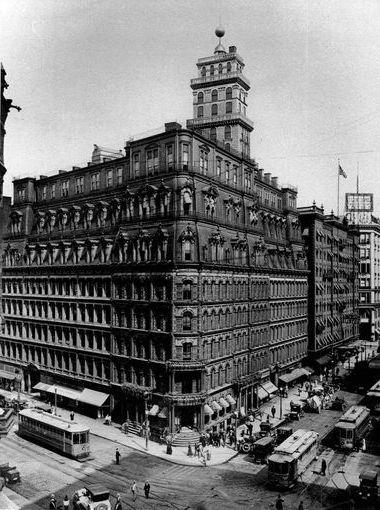
I tailed him to the St. James Hotel. The St. James was a couple of notches above the place Sally was staying. It figured right because he was living off her or, more correctly, her father’s money. I followed him inside. After he’d boarded an elevator, I finagled his room number from the desk clerk by pretending I thought I knew the man and we’d gone to school together. Lowery had registered as Charles P. Bianchi in room three thirteen. I told the desk clerk it was my mistake. For fear of tipping my hand, my shadowing Lowery ended in the lobby.
Going to a phone booth across from the front desk, I placed a quick call to Sally. She answered on the third ring. I related I’d found Lowery and told her where I was. For a reason I can’t explain, I also told her the name he’d registered under. As she pleaded to be present when I confronted him, that wave of sympathy I’d felt for her earlier washed over me again. I relented against my better judgment. When I told her I’d come pick her up, Sally said her father’s doctor was scheduled to call her on the hour and give her an update on his condition. She begged me to wait until then to fetch her.
I glanced at my strap watch, which showed forty minutes until the hour. Realizing it would take me nearly twenty minutes this time of day to reach her hotel from the St. James. I gave in again. As I cradled the receiver, I figured it worked out for the best. I was worried Lowery would make like Judge Crater and pull the big flit on me if I left for too long. But, then, I figured he’d stayed in town this long, so he must feel safe enough. While waiting for the time to leave to pick up Sally, I made myself comfortable in the lobby and keep an eye out. I grabbed a newspaper and caught up on what my Cincinnati Reds were doing.
After twenty minutes, I laid the newspaper aside and made my way to the LaSalle. During the drive to the Sally’s hotel, I tried to figure a play to catch Lowery off-guard and get the money without too much of a rumpus. Several possibilities crossed my mind, but I’d made no firm decision before pulling up in front of the Claremont. I entered the lobby and crossed to the front desk. “Please ring Miss Ritzi and let her know Mr. Tanner is here. Thanks.”
The desk clerk shot me an odd expression and responded, “Miss Ritzi checked out, Mr. Tanner.”
“What? No. Are you sure?”
“Yes, sir.”
There had to be a mistake. No, I was certain we’d made it clear I was to pick her up at her hotel. I didn’t get it. “How long ago?”
“Thirty minutes, I guess.”
My mind raced in contemplation of the circumstances befalling me. I pushed my hat back on my head and tried to think. Aside from a possible mix-up on her part, the only conclusion I could come to was Sally wanted to confront Lowery alone for some reason. That could put her in a real jam! “Oh, hell!” I mumbled and started running back toward the front door, ignoring the desk clerk when he called something after me. I raced the LaSalle as best I could through traffic to reach Lowery’s hotel before tragedy stuck my client.
At the St. James, I ran through the lobby. Both elevators were in use on upper floors. There was no time to waste. I sprinted to the stairwell and started climbing two or three steps at a time. I burst into the hallway on the third floor, took a second to get my bearings, and started trotting toward Lowery’s room. As I rounded a corner, still ten feet or so from his door, it slammed open. I stopped and watched.

Lowery backed slowly into the hall, his hands raised slightly. His face was twisted in fear, but he said nothing. Focused on who or what was in the room, he didn’t see me. As he started to turn and run, a gunshot rang out. The blast caught him hard and spun him. The man grabbed his shoulder, and froze, again facing the door to the room. In the same instance as I drew my weapon, a gun’s roar again reverberated through the hall. The impact threw Lowery back against the opposite wall. A deep red stain spread across his white shirt in the area of his heart. He clutched his chest as he slumped to the floor.
I crashed against the wall just down from Lowery’s door and glanced across at the fallen man, lying below the blood smear on the wall. His legs twitched once or twice, then went still. Powder smoke reeked in the air. I called out my client’s name, asking whether she was in the room and was all right. Lowery’s room went dark. Sally Ritzi’s voice came back to me in a muffled call for help. Then, I called to whoever was holding the woman to let her go and come out with their hands in the air. There was no response. I edged along the wall and stopped momentarily at the door. Again I asked the person in the room with Ritzi to send her out, promising we’d leave. No sounds, nothing from the room. Not even breathing.
The situation was desperate. My gun at the ready, I jumped into the room’s darkness and got a terrific blow to my head for my trouble. The back of my head burned with an abrupt, intense fire. Suddenly, the floor dissolved into a large, dark pool. The blackness expanded, rushed toward me, and I started sliding down into it. By the light streaming from the corridor, a glimpse of a familiar brown and white print dress and gorgeous gams flashed before me. Then nothing but black.
My gun at the ready, I jumped into the room’s darkness and got a terrific blow to my head for my trouble.
* * *
My eyes opened to a blurry figure I couldn’t make out, standing in front of an unfamiliar background. “How’re you feeling, Gil?” Though I still hadn’t yet worked out the face standing over me, Marty’s voice was unmistakable.
I tried to move a knuckle to my forehead to make sure it was still there. My hand didn’t want to move and my head wasn’t ready for company. I exhaled in pain. “I feel like I was shot at and missed, shit at and hit. Where the hell am I? What happened?”
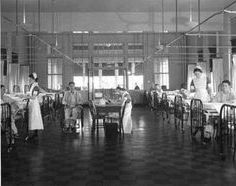
“You’re on a ward at St. Joseph’s. You’ve got a fractured skull and you’re lucky to be alive. The doc said he’s still checking for any brain damage. I wished him luck distinguishing between this injury and your preexisting condition,” he chortled. By this time, I realized the background was one of those movable curtain screens hospitals use.
“Very funny, Marty. What happened? Does anybody know?” It hurt to talk.
“Yeah, we’ve pieced together the story pretty well.” The voice was one I didn’t recognize. A fresh face leaned over the bed into my view.
“And you are?” I croaked.
Marty spoke up, “This is Detective Grady, Gil. He’s in charge of the investigation into the shooting at the St. James.”
I hurt too much to care who was in charge. My eyes focused on the hulking man standing over me. He had a huge beezer. From my vantage point, his nostrils reminded me of the opening of a tunnel leading into New York City I’d seen once in a photograph. “I’m guessing Lowery is dead. I saw him get shot in the hall by somebody from inside his room.” Both men nodded.
“Yeah, shot and killed with one of your guns. I guess the dame expected you to be her fall guy. You helped that prospect by conveniently showing up at Lowery’s place. Luckily for you, Mabel left the gun behind, and it didn’t have your prints on it. We only found a few unidentifiable prints. Otherwise, you’d be in a prison hospital ward.”
“Luckily for you, Mabel left the gun behind, and it didn’t have your prints on it.”
The name Grady used didn’t register. Only a few of the cobwebs crowding my brain had cleared. Not digesting all of what the detective had said, I tried to continue my side of the story. “And then when I went into the room to help Sally, I got roughed up for my trouble. What happened to Sally? Is she all right?”
“You mean Sally Lou Ritzi, Gil?” I detected sarcasm in my brother’s voice and braced myself for whatever was coming. I nodded as best I could with the headache I had.
The detective took over, “Her name isn’t Sally Lou Ritzi. It’s Mabel Gordon, Mr. Tanner. Sally Lou Ritzi was the name of Judge Crater’s mistress. You know, the guy who disappeared from New York City back about five years ago?” Yeah, I knew who he was. “Apparently, using the name tickled Mabel’s fancy.” I moaned, in pain and in embarrassment. “And the guy you’ve been chasing? The dead guy? His real name was Milton Lowery. We were able to identify him from his fingerprints through the FBI. He’d served a five-year jolt in Leavenworth a while back. Lowery and Gordon were partners in crime, running fairly successful cons on wealthy old ladies around the country. After their last gambit, Lowery started shooting his mouth off about their sizable haul and giving up his partner in the process. He wouldn’t keep quiet like that third monkey.”
“Lowery and Gordon were partners in crime, running fairly successful cons on wealthy old ladies around the country.”
I didn’t connect with his meaning, and it seemingly showed on my face. “You know,” he continued, “see no evil, hear no evil, speak no evil. The third monkey. The one that’s supposed to keep his yap shut.” When I didn’t respond, Grady glanced over at Marty, as if uncertain whether to continue. Marty nodded. “Anyway, the law started closing in on the pair, so he took it on the lam with the dough. And with Mabel hot on his trail. He ended up here for who knows what reason and checked in under the name of Charles P. Bianchi.”
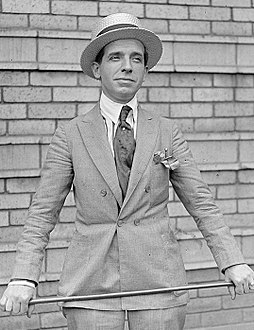
I tossed an inquiring look at Marty, who was grinning in the cheesy way he did when I’d screwed up somehow. I waited but didn’t have to wait long. “It seems both Mabel and Milton liked to play cute with names,” he offered. “Charles P. Bianchi was an alias for a con artist named Ponzi, who was convicted of fraud a while back and deported a couple of years ago.” Big brother chuckled, “Say, sparky, have you ever read the newspapers beyond the sports section?”
“Well, I read the funny papers every now and then just to check on what Joe Palooka’s up to.” My brother rolled his eyes and looked to Detective Grady.
“I figure Mabel used you to find Lowery, Mr. Tanner,” the police detective resumed his explanation, “because she couldn’t risk being accidentally seen by him during her search. And then, after you located him, she set about getting the money back and taking her revenge on the guy. It seems you got to the St. James before the final act was over. I reckon she’s the one who slugged you when you when you stumbled onto her play with Lowery. For whatever reason, Mabel chose not to kill you.” He held up his hand slightly. “And before you ask, Mabel made a clean getaway. With the money. Another lucky thing for you was several guests on the third floor saw a woman, fitting Mabel’s description, hightailing it away after the shots. Then, they found you unconscious with a cracked skull on the floor of Lowery’s room.”
“For whatever reason, Mabel chose not to kill you.”
“Another break for you,” Marty chimed in, laughing at his pun. I could only groan.
“Can you keep my name outta the papers? If it comes out I was dry-gulched by a skirt, it’ll kill my business.”
Both men chuckled. Grady was noncommittal. “We’ll see. I’ll leave you to get some rest, Mr. Tanner.” The detective was twirling his fedora in his hands as he was making his exit. “We’ll talk more later to see if we can get a line on this Mabel Gordon.” Just then, I didn’t care if I ever heard her name again, much less whether the coppers ever caught her.
“Take it easy, Gil. Get some rest. While you’re resting, you should think about not letting a gorgeous face and great figure block your common sense and good judgment. Maybe you won’t get played for a chump,” Marty said earnestly. Then, he gave me a wide smile, knowing I knew he was right. Big brother just couldn’t stop being a big brother. “If you need anything, just get word to me. I’ll be back later.” Marty paused at the door and turned back toward my bed. “Well, at least you got paid this time.” He smiled again as he disappeared, and the door closed behind him.
Oh, yeah, I thought, I got paid this time, all right, by another “pothole” for my memory lane. At least this one had been an Academy-Award-worthy actress. I figured the one hundred fifty smackers, or what was left of it at any rate, the lovely and talented Miss Ritzi, or whoever she was, had paid me might just cover this hospital bill. If my luck held out. ©