
Sunday, July 28 – Monday, July 29, 1935
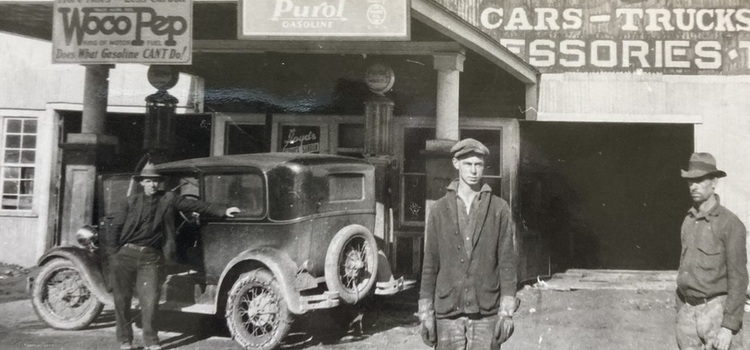
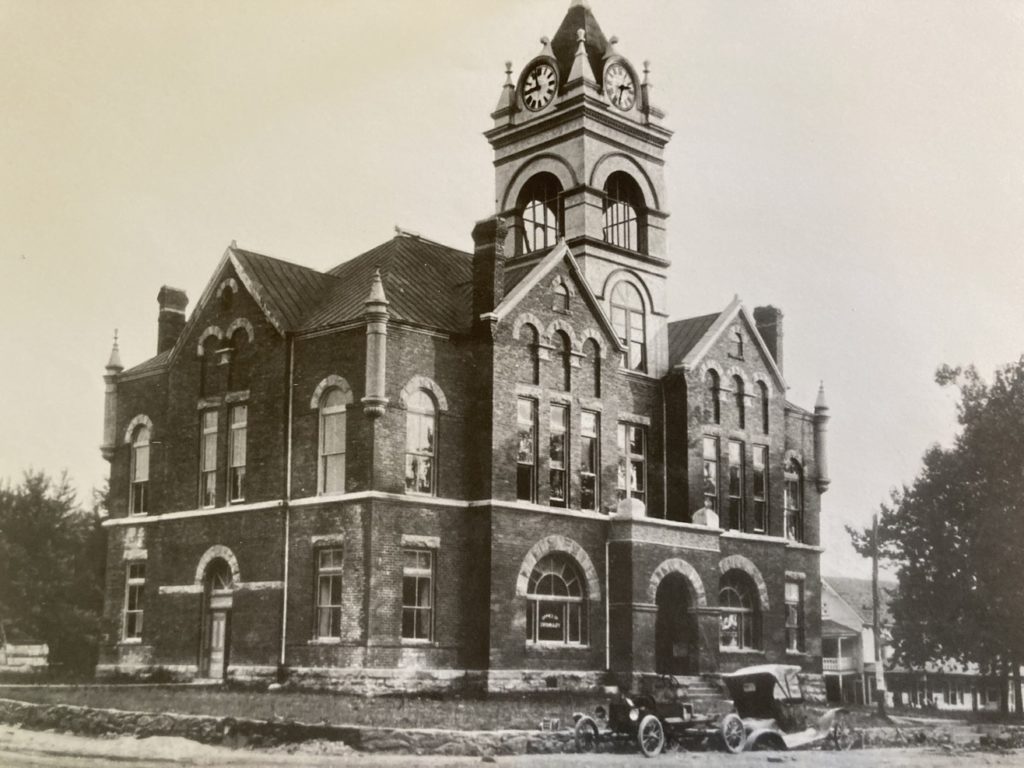
In due course, I crossed from North Carolina into Georgia on U. S. Highway 129 and took it into the center of Blairsville, which consisted of a number of buildings surrounding the Union County courthouse. It was pretty much void of humans. Circling the area, I saw a few fellas standing in front of a garage and stopped to ask where I might locate the sheriff.
When I piled out of the LaSalle, I heard a hymn being sung from somewhere nearby. Aside from it being Sunday and the streets being deserted, the lawman seemed a good starting point for finding the Stinchcombs for three reasons. First, he probably knew most of the sparsely populated county’s residents, if only by name. Second, Daugherty’s henchman was not going to John Law for any follow-up questions concerning my inquiry. Last, I didn’t want to interest a newspaper in my search by asking them about the family.
A man, who eyed me with a measure of suspicion, told me how to get to the jail where I’d likely find Sheriff Jones that time of the morning. The pokey was located just off the square on one of the four main roads connecting with it.
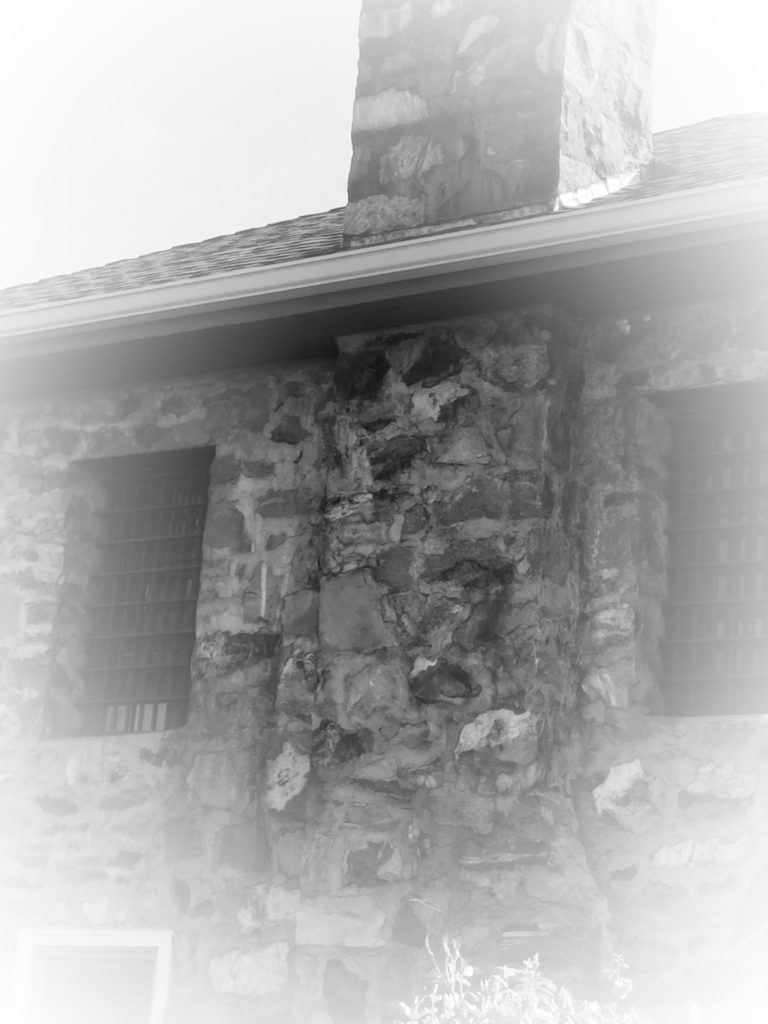
I found the two-story stone building with no difficulty. Jones was inside in the upstairs cell area. I introduced myself. An average sized man with a no-nonsense demeanor, the sheriff told me his first name was Ed. Leaving out the whys and wherefores, I explained I was looking for the Silas Stinchcomb family. His face showed that a stranger asking questions regarding a local aroused his curiosity. But his tact was a folksy approach to learning more of my intent. “Want a cup of coffee?”
His face showed that a stranger asking questions regarding a local aroused his curiosity.
“How old?”
“Fresh this morning around six o’clock.”
I glanced sideways at my strap watch. It was eleven thirty-seven a.m. “No, I’m good, thanks.” I’m particular about my java. “Nice, sturdy jail you got here, sheriff.”
“Yep. The W. P. A. built it last year.” As he poured himself a cup, he moved on and asked, “You kinfolk?”
“Uh-huh. I’m just looking the family up for a friend while in the county. Do you know of them?”
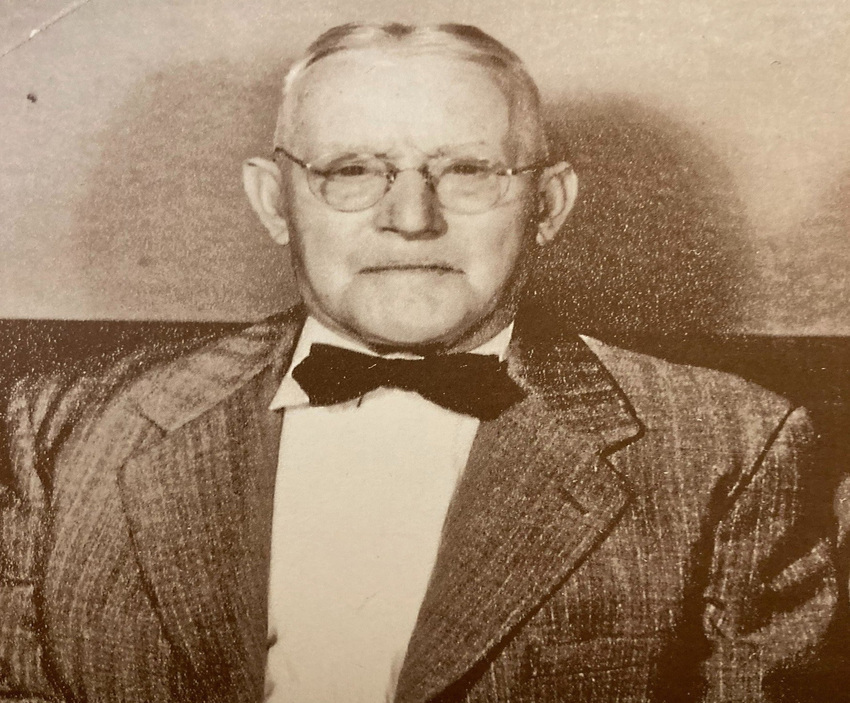
Jones sat in a wooden chair and leaned back against the wall, putting his brogans up on the edge of a small table. He sipped his brew and jounced his head. “Sure. Everybody in these mountains knows him. He’s one of our leading merchants.” That information dispelled whatever notion I had of the man. Before I could say anything, he continued with a chuckle, “Ol’ Silas sells corn by the gallon. That why you’re looking for him?”
Since there was only the single chair in the space, I propped my butt against the bars of a cell and folded my arms across my chest. “Nah. I’m partial to whiskey. As I said, simply doing a favor for a mutual acquaintance.” Now my curiosity was aroused. “I assume this ‘trade’ of his is against the law and not something you’d tolerate.”
“You’re not from around here, are you? Ever been in these parts?” I waggled my head with a negative response to both questions. He smiled. “Well, I was born and raised here. Been the sheriff here since nineteen and twenty-one. Plan on doing it for some time to come. So, let me set you straight on a few things, Mr. Tanner.” His manner was sociable but firm. “This Depression has been real rough on the folks in the hills and hollows of Union County. Paying jobs are hard to come by hereabouts.
“So, let me set you straight on a few things, Mr. Tanner.”
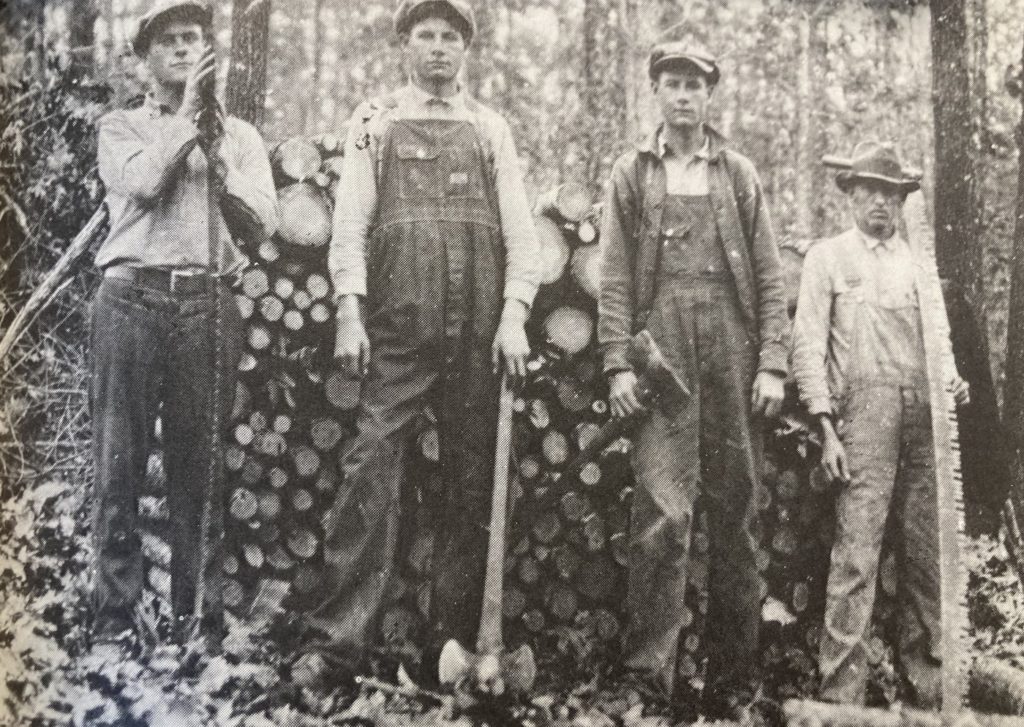
“Sometimes a man may find a few days’ work a month. And that might only pay fifty cents for twelve to fourteen hours of grueling labor. Or he could toil for weeks cutting oak, spruce, beech, white and short-leaf pine with an axe or a two-man crosscut saw, getting nothing for his sweat but excuses. And excuses won’t put food on the table or shoes on his kids. It can be a hardscrabble life here in the mountains. Most families are scrimping just to get by.
“True enough, some of the men who can’t find employment to support their family have turned to moonshining. I don’t condone what they’re doing, but they have no other way to feed their kinfolk.” With a wry grin, he added, “Don’t mind stepping on toes every so often. Sometimes it’s part of the job. I just never seem to find the time to get around to running down leads on the whereabouts of every still.”
After a brief pause, he continued, “Oh, occasionally a flatlander, from say Dawson or Hall County, gets the idea of giving the legitimate distillers, such as ‘Old Tub,’ a run for their money. They come up here, thinking they’re far away enough from civilization, and try to start up a big operation. Fortunately, they won’t want to work too hard climbing over rocks and hills and through thick brush and woods to get to their set up, so they set their still close to a road. A serious mistake.
“A lazy man might sell moonshine, but a lazy one won’t make it for very long. The job is too demanding. They don’t last, but they keep me plenty busy enough without chasing after a sly old coot like Silas. Besides, he has his hands full trying to outsmart Ransey Souther when Ransey ain’t out sneaking up on the Harkins clan down county around Suches.
“Who’s Ransey Souther?”
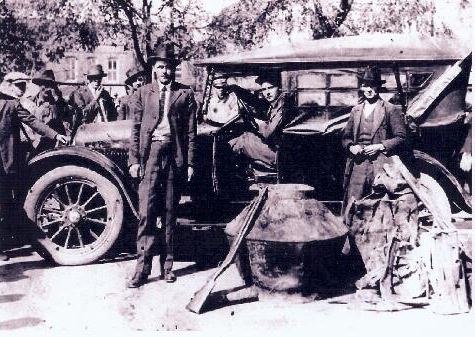
“Oh, sorry. He’s the local federal revenue agent. Good cop with a tough job. More than one lawman in these parts has got hisself hurt, or worse, sticking his nose too far into the woods.” He put his feet on the floor, stood unhurriedly, and squared up to me. His right hand slowly dropped to the revolver on his hip. “So why don’t you tell me what your true business with the Stinchcombs is, Mr. Tanner, if that’s your real name? You’ve got my interest up, what with that bulge inside your suit coat under your left shoulder.”
“So why don’t you tell me what your true business with the Stinchcombs is, Mr. Tanner, if that’s your real name?”
The lawman’s keen observation caught me unawares. I froze for a second, then gently eased off the cell bars, unfolded my arms, and held my hands out where he could see them. “Easy, Sheriff Jones. I mean no one any harm. I’m a licensed private investigator and carry a gun for my job. Can I reach into my lapel and show you my credentials and a business card?”
“Mm-hmm, but do it nice and slow and with your left hand,” Ed cautioned as he kept the hand on his service weapon. He stiffened as I reached for my paperwork and gave it to him.
Jones looked it over and passed it back to me, saying, “Now, suppose you tell me the real reason you’re looking for these people?”
I drew a deep breath and started with, “They have a niece, Gladys Brubaker, who got jammed up with a gangster in my hometown. His own mob bumped off the mug for an unknown reason a few weeks ago. Right after that, Gladys disappeared. Possibly his girlfriend saw her boyfriend murdered or knows something of the gang’s business she shouldn’t. Either way, they’re looking for her with lethal intentions.
“Some folks suspect Brubaker was murdered, too. An investigator with the city police and I don’t think so. Neither does the close friend of hers who came to me to locate her and make sure she’s safe. The only potential point of contact my client had was the Stinchcombs living somewhere around Blairsville. So here I am. That guy in our police department will vouch for me if you feel the need to telephone him. His name is Waddell. Detective Sergeant Robert Waddell. I’ll pay for the call.”

The sheriff was quiet for a minute, then spoke. “Addie Faye was a Brubaker before she married. Had a brother who was killed in a logging accident years ago. I seem to recall his wife passed from cancer, I think it was, several years before he died. Not sure of any young’uns.” He jutted his jaw in the direction of my gat. “That looks to be a fairly sizeable handgun you have there.”
“Well, if I have to use it, it’ll be a life-and-death situation. And I’ll not want to worry whether the other fellow is going down. To paraphrase one of our country’s founding fathers, I carry a .45 because I don’t intend to brave any storm in a paper boat.”
“Understood,” he smiled as he fingered the butt of his revolver.
“I don’t imagine the they have a telephone?” He shook his head. “Then can you give me an idea of how to locate them?”
“Sure. They live out off of Ivylog Road near Gumlog Mountain. Just travel north from the courthouse for seven or so miles. You’ll see a large white house sitting beside the highway on the left. A telephone pole, which connects us to Murphy and points north, is across the road at a turnoff. Turn right there onto Ivylog Road, keep bearing right, and go until you come across an opening in an old split-rail fence on your left. I can’t rightly say how far it is to it. The dirt track in the opening leads up to their place. Don’t know if you’ll find them home, though. It’s Sunday morning. Most people hereabouts will be in church. Maybe the better part of the day.” He chortled. “City folks call it ‘all day singin’ and supper on the ground.’”
“Mind if I give you four pieces of advice before you move out, Mr. Tanner?” I jerked a nod. “First, that dirt trail, leading to the Stinchcomb farm, is rutted real bad. Unless your automobile has extra high bottom clearance, you’ll probably want to leave it out on the main road and walk to the house. It’s a good distance to hike for a city fella, but better than tearing your machine up. Even the doc uses an old Model A Ford on the poor roads. Second,” he continued in a more serious voice, “Silas owns a Gillespie rifle he’s pretty handy with.”
I was unfamiliar with a long gun by that name, but the fact Jones warned me about the man and his weapon was the only thing I needed to know. “He may not cotton to your sudden appearance, and he can be a stiff-necked son of a buck. Might take you for one of Souther’s boys, especially dressed in a suit. Neither you nor I need any trouble like that. Third, just be aware Silas has what polite people call a gift for gab. He’ll talk the hind legs off a donkey. Last thing is don’t make the same mistake a lot of strangers to these parts do. Don’t confuse poor with ignorant.” He added that final bit with a wry smile.
“He may not cotton to your sudden appearance, and he can be a stiff-necked son of a buck.”
“Fair enough, sheriff. I appreciate what you’ve told me. It gives me a better understanding of the folks I’ll be dealing with. By the way, I may be here for more than one day. Got a recommendation for a place to stay here in town. I saw several when I drove around the courthouse.”
“Sure. The Akins Hotel. Mollie Akins’ll take good care of you. Let her know I sent you along.”
“I’m going to accept your advice on something right now, sheriff. Mind if I change out my shirt in here?”
He smiled. “No. Not a bit.”
I went out to the LaSalle and grabbed a dark shirt from my suitcase. While at it, I tucked my rod beneath the clothes in the travel bag. Back inside the jailhouse, I exchanged it for my dress shirt, tie, and suit coat. Jones nodded his approval. We shook hands. I departed for the aunt and uncle’s place.
As I traversed the courthouse area, I spied the DeSoto sitting under a tree beside a residence near the garage I’d stopped at. The position had given the driver a line of sight to the county lockup in order to maintain tabs on me. Because of the shadows, I still couldn’t glaum him. It had to keep for now.
* * *
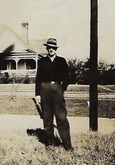
In the course of time, I located the Highway 129 turnoff to Ivylog Road across from the large white house Jones had described. After following the rough secondary route for several miles, I came to the fence, then to the opening in it, which gave way to little more than an old wagon course. As far as I could see, the sheriff was right when he warned me off the track leading to my objective. It was no drive for my bucket. I pulled the jalopy off into the weeds beside the road and started up the dusty trail. Suddenly, the sedan that had been stalking me shot past on Ivylog behind me. It caught me by surprise. By the time I realized what it was, I had no chance to catch sight of the driver.
I continued the climb up the pathway. That unmistakable sensation of being watched came over me again while I made my way over the rough ground. I saw or heard no one, but couldn’t shake the feeling. Whoever it might be was as quiet as a drift of smoke.
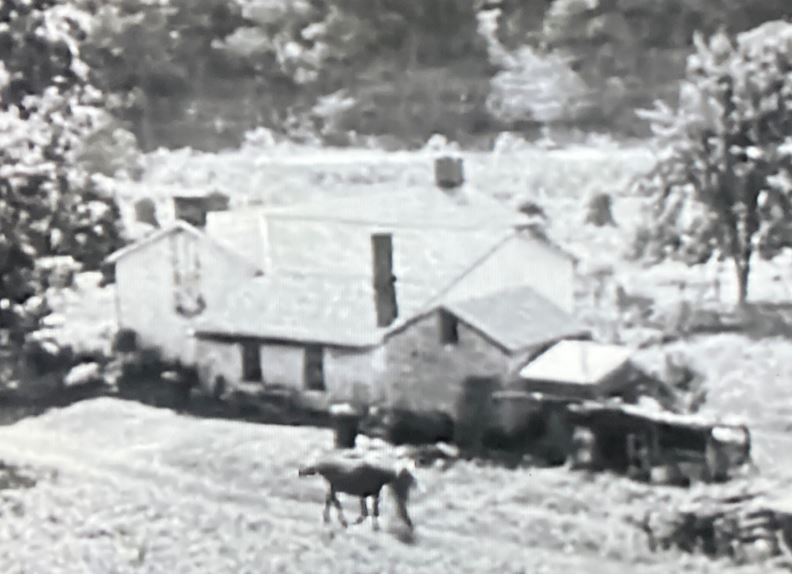
Soon I hiked over a rise, and a homestead came into view. It was a rambling affair, larger than I’d expected to find. As I descended the hill to it, Sheriff Jones’s words concerning that rifle kept coming to mind. When I got closer, I called out to anyone around the house.
Turning a corner of the structure, I ran into an older, bespectacled lady in a nondescript housedress. She was holding a pitchfork across her midsection. “Whatcha want, mister?” she asked, giving no ground.
I eased my hands out to my side slightly where she could see them. “Good afternoon, ma’am. My name’s Gil Tanner. I’m looking for the Stinchcomb farm. Are you Addie Faye?”
“I am. And, aside from your name, who might you be? What’s your business here?” Her tone was more cautious than unfriendly.
“Well, I’ve come here searching for Gladys Brubaker. I understand she’s related to you. She may be in danger. Bad people are looking for her, too.” I glanced around. “Is Mr. Stinchcomb here?”
“Could be.” From behind a squinched expression, she demanded, “And how are we to know you ain’t one of these bad folks huntin’ for her?”

It struck me that she expressed no alarm at the possibility of someone intending her family member harm. Although not wanting to repeat my story twice, I resigned myself to an explanation for the woman. “You see, she lived in our city for a while. She got mixed up with a shady character, who was murdered. Your niece either saw the killing or knows something she shouldn’t. Whichever it is, the people who killed her boyfriend are looking for her. A friend of hers hired me to find her and determine that she’s okay. I’m a private investigator. I have identification with me.”
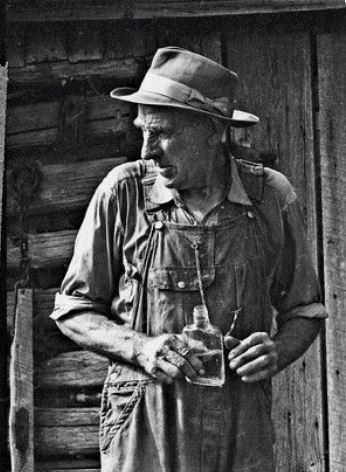
As I reached for my information, a soft click came to me over my shoulder. I froze in place before craning my neck to look behind me. There, I saw an older guy holding a rifle in a ready position. Despite the intense heat, he wore bib overalls and a collared shirt, though its long sleeves were partially rolled up. Atop his weathered, deadly serious face sat a sweat-stained fedora. I forgot about retrieving my identification and grabbed some air. Turning slowly in his direction, I chuckled, “And you must be the man I’m looking for. Mr. Stinchcomb, I–”
… I saw an older guy holding a rifle in a ready position.
“I heard you tell the missus, mister.”
I was getting aggravated with the circumstances. “Look, Silas, get this straight,” I said harshly. “I don’t mean to start any trouble. So–”
“Don’t get waspish with me, stranger.” He motioned with the long gun’s barrel, “Best we do our jawin’ out of the heat.”
Addie Faye leaned the pitchfork against the house and led the way. In the cool of a porch, as his wife went in the house, Silas motioned me into a scarred rocking chair. The thing groaned in protest as I sat and laid my hands on its armrests, where the old man could see them. The fella dragged another rocker up to face me, leaving room to swing the working end of the long gun in my direction, if necessary. He was nobody’s fool.
“Don’t go gettin’ any crazy notions, young feller. I know how to use this thing,” he added, patting the weapon that laid across his lap, “and won’t be slow ‘bout it neither.”
“That’s what Sheriff Jones advised me.”
“Sheriff Jones? You talked to him?”
“Yeah, Ed Jones. I saw him at the new jail not an hour ago. He warned me about you and your Gillespie rifle.” I chuckled uneasily. “I stopped by to ask him how to find you. Calculated he was the best starting point to look for you. He was a big help. That’s how I got here.”
“Ed’s a good man.” He stretched out his hand toward me and snapped his fingers. “Let me see those identification papers you were gonna show Addie Faye.”
I handed him my papers and a business card. He looked them over. I watched his face closely as he read. With a lifted eyebrow, a flicker of recognition shone in his eyes. “You traveled a fair piece to git here. The town on this here card matches up with where we was gittin’ her letters from.” He scratched his head thoughtfully. “How did you come to know of us? Know ta come here?” he asked, handing the documents back to me and leaning forward, his elbows on his thighs. The man’s kisser told me he wasn’t quite convinced of my motives, my intentions.
“Your niece shared her apartment with a female named Gillman. They became good pals. At one point, she discussed you and your wife and mentioned Blairsville. After Gladys’s boyfriend, a hood by the name of Beaudin, was murdered over some dispute or another, she disappeared. The roommate believed she was okay, just hiding somewhere. She was convinced of it after a thug, who was working for the mobster who had Beaudin killed, came to their place. He threatened her if she didn’t tell him the missing girl’s location. She didn’t reveal anything to them. That’s when she retained me to locate her friend and make sure she was out of harm’s way. So I–”
“The lady’s first name?” he cut me off. “The one Gladys lodged with.”
“It was Lucille.” He gave me a slight nod. “But anybody who was aware of them could tell you that, right?” His head bobbed again, slowly. By this time, I reckoned they had the skirt hidden somewhere around the homestead. “What can I do to convince you of my sincerity in finding Gladys, only to make sure she’s safe?”
He ignored my question and posed one of his own. “Why in tarnation ain’t this roommate here with you looking for her? That strikes me as mighty queer.”
“She’s dead,” sighed. “Killed by the same gangsters.” I paused briefly to let the news soak in. His expression quickly evolved into one of surprise. “Listen, I found the gal after they attacked her in her apartment. Before dying, she told me who did it and where to find the information on the two of you.” I carefully reached into a pocket, retrieved the paper I’d taken from Gillman’s brass headboard post, and handed it to the elderly guy. I stood and stepped to the edge of the porch to light a Chesterfield, while I eyed his face.
“Before dying, she told me who did it and where to find the information on the two of you.”
As he looked at it, the fellow swallowed with difficulty and his eyes watered. “This is my niece’s handwriting.” He scratched the back of his neck and shook his head, then glanced up at me obliquely.
Before he spoke again, the screen door flew open and Addie appeared with two enamel-coated metal cups. “Figured you boys might want coffee.” She set them on a thick homemade table on the porch and ambled inside again.
Returning to my rocker, I picked one up, sipped the liquid, and nearly spit it back into the mug in revulsion. It tasted like wet pennies. Over the rim of the cup, I peeked at the man opposite and attempted a smile. However, my initial response had given me away.

The old guy grinned and took a long pull on his serving. Afterward, he asked, “How’s that joe? Good?” I shook off its ill effects and told him it was delicious. “What?” he exclaimed in disbelief. He turned in his seat toward the kitchen where his wife had hobbled. “Addie Faye, who fixed the coffee?” Silas demanded, though he no doubt knew the answer. With no response forthcoming, he returned his attention to me. “That woman never made a blasted cup of java worth throwin’ to the hogs, Mr. Tanner! So don’t be a lyin’ to me on it!” he laughed. Raising his mug, he said, “It’s just that I’m used to it after all these years.”
I chuckled in return. “First, please call me Gil. Second, my momma taught me to always appreciate hospitality, something you southerners are known for.”
“True enough. But Yankees don’t rightly understand our ways.”
“Is that what I am? A Yankee?”
“You come from north of that North Carolina state line a few miles away?” I waggled my noggin in the affirmative. “Then, yep, you are. But I don’t hold that agin you. You can’t help where you was born. It’s just that,” he snickered, “I was twenty-one when I learned that ‘damn Yankee’ was two words. The same with most folks in these here parts.”
Stinchcomb read my face for a few minutes. I felt a little uneasy in his stony glare. He slid the firearm from his lap and laid it beside him on the floorboards. “Gittin’ back to Gladys, Gil. You convinced me you got good intentions, so I’m obliged to tell you she ain’t here,” he confessed, shaking his head sadly. I was sorry to hear that. It meant taking more time to pinpoint her location.
“You convinced me you got good intentions, so I’m obliged to tell you she ain’t here.”
Then Silas’s tone became solemn. “Look here, I ain’t for her travelin’ the road she’s chose. But she is blood. She lost her ma when she was just a little’un. Her pa, Adie Faye’s brother, was killed several years later in a logging accident. Both hit the young’un pretty dang hard. Of course, we took her in. Did our best. It wasn’t the same as parents, though. While our niece seemed happy, now and again she had a restlessness ‘bout her. Then, when she come of age, she up and announced she was headin’ out on her own. Promised to stay in touch, though.
“Next thing we knowed, we got her letter saying she was in your city, working in a store. Wrote to us regular after that. In one piece of mail, she said she had a boyfriend. Sounded serious. Must have been this Beaudin feller you mentioned. Another said this here Lucille Gillman was movin’ in with her.
“Gladys came by here ‘bout a week ago, lookin’ woebegone. T’wasn’t like her. Not at all. To me, she looked to be afraid of somethin’, but she denied it. We didn’t have the gumption to ask what her problem was. Supposed she’d have said if she wanted us to know. Anyway, the girl announced she had to move on. When Addie Faye begged her to stay, Gladys started cryin’ and said it was for the best.”
“Left for Atlanta the next day.” The old man stared hard into my face. “At least, that’s where she claimed she was headed. We haven’t heard from her, so we have no notion of how to find her there. It’s a big place. Are you goin’ there to look for her?”
After thinking the options over for a second or two, I answered. “Yes, sir. I’ll continue on to Atlanta to trace her if she’s there. I’m used to large cities. Gladys probably hasn’t sent you any information regarding her new life for fear of it falling into the wrong hands. Give her time to settle in, get comfortable. And, should you hear from her in the next week, I’d prefer you not let her know I’m coming. If my presence isn’t clarified just right, it may spook her or gum whatever play I make to reach out to her. I’ll deal with the surprise of it when the time comes. Equally important is the fact that, if your niece is expecting a friendly face, she might open herself up to a stranger who intends her harm.”
“If my presence isn’t clarified just right, it may spook her or gum whatever play I make to reach out to her.”
Silas sat back in his rocking chair. “Yep. I see what you mean. Fair enough,” he added thoughtfully. He retrieved and squinted at his pocket watch. “The shank of the day’s already gone, Gil. It’s around a hundred and twenty-five miles to Atlanta from here. If you leave now, you’ll end up stayin’ somewhere along the way tonight. You might as well make yourself ta home here. Our place ain’t one of your fancy city hotels, but you’ll be comfortable. Then you can start out first thing tomorrow mornin’ with a good breakfast and reach Atlanta in daylight.”
“Nah, I’ll get a room at a joint on the square in town. Sheriff Jones recommended one run by somebody named Mollie. Besides, I don’t want to be any imposition. I–”
“Nonsense!” Addie Faye, who had joined us by this time, chimed in. As she worked her way through a bowl of snap beans, she blushed, giggled, and assured me it was no trouble. My hostess completed her argument by saying I’d be very comfortable in Gladys’s old room.
Her husband re-entered the fray. “Miss Mollie sure knows how to take care of folks and sets a ripsnortin’ good table. But I’m married to the best cook hereabouts.” I wondered if his assessment took into account her coffee-making skills.
Regardless, the die was cast. The sense of what Silas said led me to concede. The sun was rapidly approaching the tops of the mountains to the west. At the same time, the emotional roller coaster of the day was taking its toll on me, and I was beat. Before twilight settled in, I needed to trek back to the LaSalle and get my bag. That would be as good an opportunity as any to drive into Blairsville and telephone Waddell to learn if he had a contact with the police department in Atlanta, just in case I’d need one.
When I voiced my intention, my host volunteered to accompany me to my crate, mumbling something along the lines of not wanting me to encounter a momma bear and her cubs unarmed. Whatever the hell that meant, I agreed.
As we walked the trail to Ivylog Road, I advised Silas of the hooligan that had been tailing me and described his automobile. I wanted him to be aware of the potential danger should the lug miss my departure and approach him after I’d gone. “If the company he keeps is any indication, he’s a ruthless snake.” I inclined my head toward his ever-present rifle. “You may need to shoot first and ask questions later.” He nodded his understanding. “How many acres do you have here?”
“You may need to shoot first and ask questions later.”
“Near to a hundred.”
I chuckled, “Then you can easily find room for him to ‘stay’ somewhere on the farm, right?”
He shot me that toothy grin, stroking the firearm as we walked. “Yep. If the vermin thinks to hurt me or my kin, it’ll be his last thought.” Following a pause, he continued, “I was figurin’ on ridin’ in with you, but I’m afraid that feller might show up here while Addie Faye’s alone on the place.” I nodded my understanding. Or so I assumed. “Don’t want the woman to have to dig no grave on her own.” No hint of joking tailed this remark.
The DeSoto was nowhere in sight when we reached Ivylog. While Silas carefully surveyed the road in both directions, I climbed behind the roadster’s wheel, coaxed it to life, and sped off. In my wing mirror, I saw Stinchcomb scanning the area.
* * *
In short order, I was back at the courthouse. My shadow hadn’t shown so much as a bumper during the drive into the hamlet. A scruffy-looking young fella, chaw in cheek, was working on the engine of a boxy flivver from the 1920s outside the garage I’d stopped at earlier in the day. I parked and walked over to where he struggled to loosen something or other.
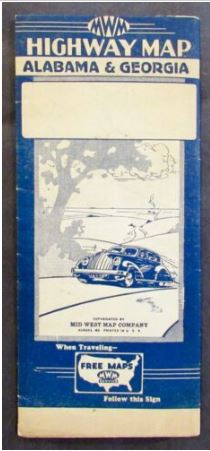
When I inquired if he had a roadmap that would get me to Atlanta, he wiped his hands, plodded into the building, and returned with an Alabama-Georgia map. He said there was no charge, but I convinced him to take a buck for the thing. It was worth at least that much to me, being a stranger in the state. He seemed surprised and grateful. After that bit of business had concluded, I asked where I might find the nearest public telephone. He directed me to one of the nearby hotels.
An unfamiliar vehicle eased up beside my LaSalle as I ankled back to it. The face of the driver was one I recognized, though. I walked to his door and threw a foot up on the running board.
“What’s happening, sheriff?”
“Glad to say it’s been a quiet day. How’s it going, Jed?” he called beyond me to the man working on the old heap. The guy tossed a friendly wave to Jones. Ed jutted his chin toward my bucket. “I thought that was your automobile. We don’t see many like it around here. Did you find the Stinchcombs?”
“Yeah, I did, thanks. And you were right.”
“About?”
“The rutted road that leads to their place. And Silas and his rifle. And the rest, too.” He chuckled. “They’ve invited me to stay the night. So I need to get back.”
“Well, what brings you to town?”
“Primarily, I came in to call my city investigator pal back home to see if he has the name of someone with the Atlanta Police Department. Then, it occurred to me I’ll want a state roadmap. Jed there was kind enough to oblige me,” I explained, raising the folded document.
“That buddy of yours, his handle was Waddell, right?”
“Yeah, that’s it.” The man’s recollection of a name I’d mentioned in passing several hours earlier impressed me. But he headed my next question off.
“I spoke to your friend late this afternoon. He wasn’t around when I first called. Someone named Donovan answered. He relayed my message to Waddell, who telephoned me shortly thereafter. I think he was concerned when your name came up in my inquiry.”
That Sheriff Jones had made the effort to call Rob surprised me in one respect and didn’t in another. “I’m grateful you were able to reach him and not rely on Donovan for a reference,” I offered, trying to hide my relief.
“Mm-hmm. I kinda gathered there was a little friction between you and this other officer. But Waddell was complimentary about you and your reputation. He said to tell you to stay safe. I hope you take no offense at my following up on your offer to call the man. We get a lot of folks traipsing through these parts–wise and otherwise.”
“Not at all, sheriff.” I turned to leave.
“And that other thing….”
“What other thing?”
“That point of contact in Atlanta. I have one for you, if it’ll help.” I waggled my head gratefully. “His name’s Detective Jim Greerson. We met a while back. Nice fella. Good cop, as far as I know. He may not recall me real good, but mention my name, Union County, and the Foster killing. He might recollect.”
Again, Jones stopped me from turning to go. “Just so you know, Greerson and a few other men were involved in a pretty bad shoot-out with some outlaws around ten days or so ago. Jim wasn’t hurt, according the news account I read, but others with him were. And a policeman was killed. The newspaper article made it sound like they were making a cowboy moving picture what with the guns a blazing. It’s something to keep in mind if you approach him. If you still feel the need to call your friend, there’s a pay phone over in the hotel.”
“Jim wasn’t hurt, according the news account I read, but others with him were. And a policeman was killed.”
I made note of the name and the telephone number Sheriff Jones provided. “No need. You’ve done me several good turns. I owe you. Thanks.” We shook hands, and I ambled back to my crate.
* * *
Stinchcomb was leaning against the split-rail fence when I parked in the tall weeds alongside the route. I removed my grip from the rumble seat. Then, we ascended the hill back to his house. He imparted he’d decided to wait for me since I’d told him I wouldn’t be gone long and dusk was gathering. Silas reported he’d seen no trace of the DeSoto.
During the walk, I questioned whether the old man knew how Gladys had traveled to Blairsville. He said she was driving a car unknown to him. She hadn’t had one when she left and had never mentioned having it in any of her letters. When I asked if he noticed what kind it was, he answered he didn’t know what year, but it was a copper-colored Studebaker. He recalled the make because of the name decorating the radiator. “The thing was as shiny as a new penny,” he concluded. It was Beaudin’s boiler, right enough. The color wasn’t one you might usually find on a factory model. I believed it to be a custom paint job befitting what I’d learned of its dead gangster’s ego.
* * *
After a delicious supper of fried chicken, beans, cornbread, and sweet tea, Silas told Addie Faye he was “much obliged.” She beamed at his words. I gathered it was something of a ritual between the two. Then, the three of us made our way to the porch, the rocking chairs, and the cooler evening air. During a bit of small talk concerning Union County and the smell of rain moving in, I asked whether they had a recent photograph of their niece.
I admitted not knowing what she looked like beyond the description Lucille had given me. Addie Faye said she’d find one for me. Then the aunt trudged inside to wash the dishes still in the sink and call it a night. The uncle seemed unwilling to give in to sleep’s beckoning. Surprisingly, I was wide awake, too. We smoked in silence for several minutes. Then, the fellow leaned forward on his seat and asked if I was the sort of fella to take a drink. In response, I sniggered and asked him if a cat had a climbing gear.
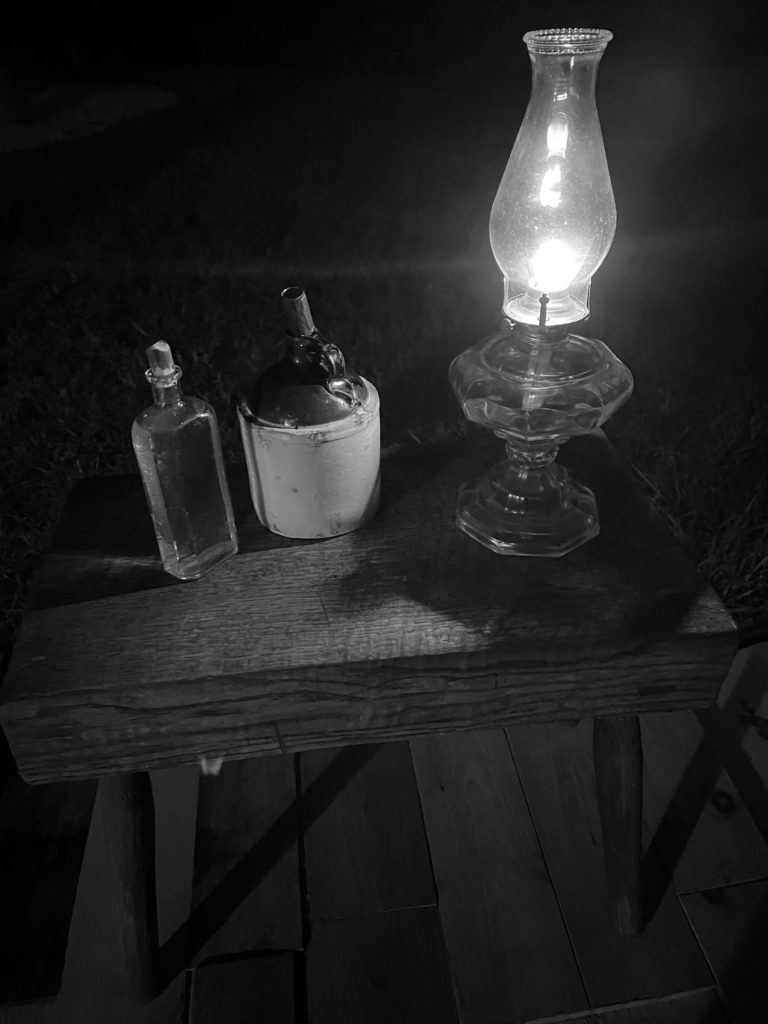
“How ‘bout a little local brew for a nightcap then? Ever had any white lightnin’?” As I shook my head, Stinchcomb rose from his chair and went inside. He quickly reappeared with a lighted lantern and two coffee cups, which he placed on the homemade table. “Be right back,” he said descending the porch steps and ambling toward a barn. His spindly figure re-emerged carrying a couple of things besides the lantern. As the halo of light from the lamp played from side to side, he shambled across the distance from the outbuilding to the house. Upon his return, he handed me a bottle of clear liquid. “That’ll put starch in your drawers, my friend.”
I removed the stopper and took a whiff of the stuff. “Smells like high-test to me,” I grinned. In time, I’d learn just how “high-octane” that potion truly was.
“Shore ‘nough tis,” Silas shot back. “Best you’ll ever taste. Here’s mud in your eye, young feller!” He hoisted a jug, the second item he’d recovered from the barn, taking a long guzzle of the nectar, before releasing a satisfied, “Aah.”
Being unfamiliar with this particular variation of alcoholic beverage, I poured some into a mug and took a cautious slug. The liquid didn’t go down the slightest bit smooth. Much as a runaway house fire, it burned all the way to the ground. Now I’m no creampuff, especially when it comes to boozing it up, but this concoction seemed to suck the air from my lungs while bringing to a standstill my natural inclination to replace it. “Good stuff. Smooth,” I gasped when at last I found my voice. While I still had my wits about me, I recognized the bottle in the glow of the oil lamp. It was one that had originally held Wampole’s cod’s liver oil.
Now I’m no creampuff, especially when it comes to boozing it up, but this concoction seemed to suck the air from my lungs….
Unfazed by the effects of his distillation on me, Silas, ignoring his coffee cup, sat the container in his lap and looked around. He nodded to the lantern. “That’s one thing you may not be used to, Gil. We don’t have electricity yet.” That much I figured, because I’d watched his wife prepare our meal on a wood cookstove. He sighed, “A few years back, they made a big deal outta creatin’ the TVA, but we ain’t seen nothin’ from it. It’s oil lamps and tapers for us. Still, life is good,” he added swishing the liquid and taking another long pull.
I recall having several large swigs of the hooch while Silas maundered on. Soon, my world faded to black.
* * *
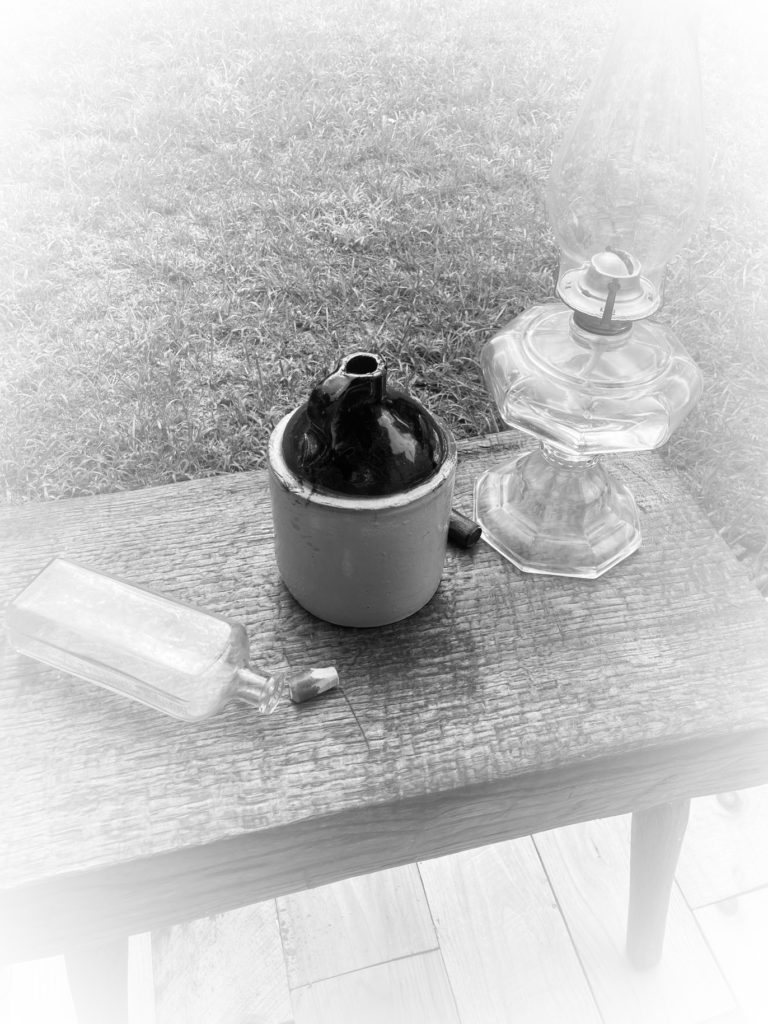
A torrential rain drumming against the Stinchcombs metal roof roused me early the next morning. And I wasn’t happy. Sprawled out in the same rocker I’d been sitting in the previous night, I felt like moldy death. My mouth tasted like the bottom of a trench at the Battle of Verdun. Every joint ached. Even my teeth hurt. I opened my eyes to find Silas standing at the edge of the porch, holding a steaming mug of coffee, staring at the nearby mountains through the downpour. My low groan caused him to turn in my direction.
“Good. You survived,” he chuckled. “Hang on.” He disappeared into the kitchen and returned with a heady serving of java. I reluctantly took it. He smiled knowingly. “It all right. I made this myself. Addie Faye is gettin’ dressed and will be down in a bit to fix breakfast.”
While trying to convince him that, considering the way I felt, I’d be lucky to hold down the cup of joe, his wife appeared. She held something out to me. “I have this here picture of Gladys. She let me take it with our Brownie camera the day before she left for Atlanta. It was one of the few times she smiled that day. I’m not givin’ it to you, but I thought it might be of benefit in your search.”
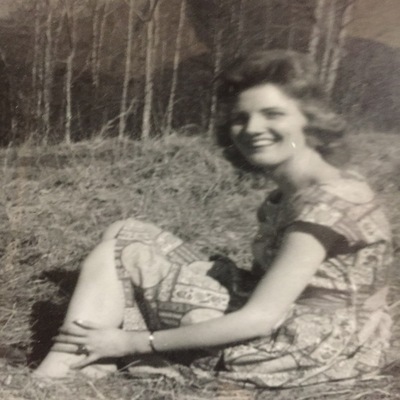
I studied the photograph, trying to memorize her features and noticed the winsome young lady was wearing a ring on her left hand. Knowing she and Beaudin hadn’t married, I asked about it.
“It was her momma’s wedding band,” her aunt clarified. “I kept it all these years. When Gladys was here, she asked if she could have it. I dug it out for her, and she started wearin’ it.”
I handed the snap back to the old woman and thanked her. Then, I announced I needed to hit the road. Addie Faye disappeared through the screen door and came back with an enamel-coated bowl and a fresh towel. “We ain’t got no proper bathtub, Mr. Tanner. I’m heatin’ some water for you to wash up with. Or you can wait a little longer, and I’ll sit the big washtub in the kitchen and fill it up for you to bathe in. That’s how we did it when we was kids. Whoever had behaved the best that week got washed by mom first. It meant you had clean water,” she laughed.
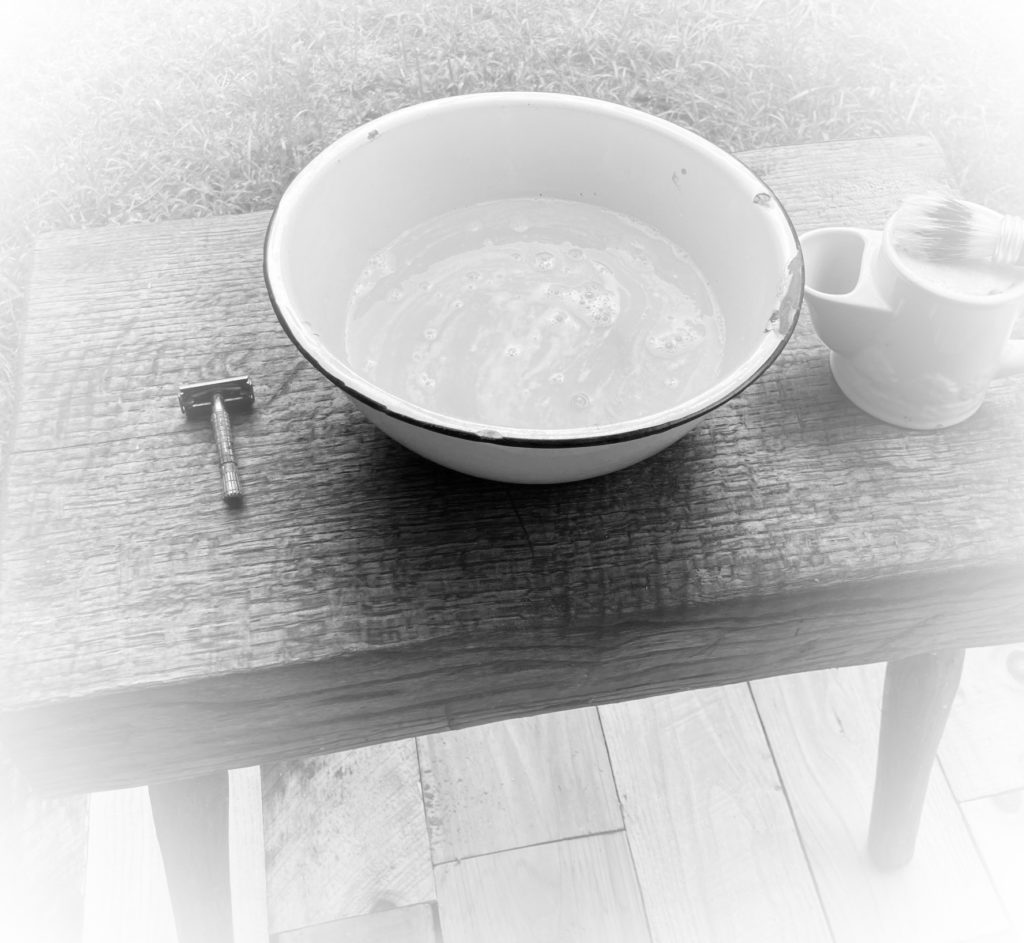
Picturing myself sitting in a washtub, I joined her laughter. “Washing up here on the porch will be just fine, thanks.” I reckoned I’d be able to get a bath or shower at a hotel in Atlanta later that night. I pulled my shaving gear from my suitcase that had never made it inside the prior evening. When Addie Faye delivered the heated water, I lathered up and scraped my face with a razor. During this time, Silas sat in a rocker with a fresh cup of coffee, watching me closely. At his insistence, I threw the bowl of soapy liquid out into the yard. Addie Faye appeared with more hot water and I washed up as best I could under the circumstances. In Gladys’s room, I changed into clean duds and prepared to leave.
Back on the porch, I found a heavy fog had replaced the rain. In saying goodbye, I explained that, since I wasn’t sure where I’d be staying in the city, the best way to contact me initially would be through the Atlanta police department. I gave the couple Detective Greerson’s name and the department phone number. “If things break wrong or I need to get a message to you, I’ll call the sheriff to get word to you.”
I gave the couple Detective Greerson’s name and the department phone number.
Silas gripped my arm. “Let me fetch you somethin’ before you go.” With that, he picked up the empty Wampole’s bottle and sidled to the barn. Shortly he re-appeared with the thing full of clear liquid. My stomach rolled over at the sight of it.
“That man…,” his wife scoffed, shaking her head with a dull grin as he approached us. Addie Faye then turned to me with sad eyes. She touched my arm and whispered, “Mr. Tanner, please keep my niece safe.” Then, she went inside.
Silas ascended the steps, put the stopper in the bottle, and slipped it into my bag. He tossed me another toothy smile. “Just somethin’ to remember me by.”
“Thanks,” I offered with little genuine enthusiasm. I hadn’t checked the map as yet, so I asked, “What’s a good way to start for Atlanta from here?”
“Head back to the courthouse and take the road that runs by the jail. That leads to Blue Ridge. I ain’t sure after that, but I think you’ll go from there to a town called Ellijay. Folks there’ll help you find your route.”
After last farewells, I trudged back down the mountain to the LaSalle. There was still no sign of the Desoto. Its absence after this time and distance piqued my curiosity. I cranked the engine, slapped it into gear, and made my way to the courthouse. Along the drive, the mist burned off, exchanged for a blistering sun. Once more, I was glad to be driving a breezer. I topped off my gas tank at a filling station on the square. While the kid was pumping gas, Sheriff Jones pulled up beside me.
“Morning, Gil!”
“Good morning, sheriff!”
The lawman studied my face for a second. “I see by your eyes Silas entertained with you some of his product last night.” As I started to respond, he chuckled, “Believe you me, I’ve seen that look on more faces between Friday nights and Sunday mornings than I can count.” I merely nodded. “You headed out?”
“Yeah. I understand the street in front of the jail will take me to Blue Ridge and from there to a place called Ellijay.”
“Uh-huh. Between here and Ellijay, it’s paved most of the way. But part of the road is only a semi-hard surface, and a portion is still under construction. Not a bad drive though. What’s your destination?”
I looked around, not wanting to broadcast my plans. “Atlanta, but I’d appreciate it if you kept that between us.”
“Will do.”
“Say, have you seen anything of a late-model, light-colored DeSoto in the past day or so?”
“Thought I saw one like that yesterday here near the courthouse. Is there a problem?”
“No, just unwanted company.”
“Well, if I see it today, I’ll stop the fella for a chat.” With a smile, he added, “Maybe hold on to him for a little while.”
I returned the grin and thanked the man. After paying for the gasoline, I left the small town of Blairsville.
* * *
The drive to the state’s capital wasn’t that bad. Except for the two stretches Sheriff Jones had mentioned, it was a good paved highway. A nasty surprise reared its ugly head, though: the ominous sedan re-appeared in my wing mirrors. Where the hell he’d been hiding was beyond my ken. He was just another issue I’d have to deal with at some point.
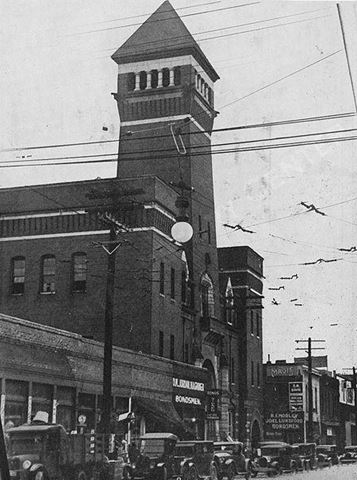
With one quick stop for a Coca-Cola and restroom break, I reached the city shortly after noon. Thanks to directions from a boy at a gas station, I located the police headquarters on Decatur Street and tucked my bucket against the curb as close to the building as possible. Bounding up the steps, I entered the lobby. The desk sergeant glanced up from writing in his ledger and nodded, asking, “What can I do for you, sir?”
…I located the police headquarters on Decatur Street and tucked my bucket against the curb as close to the building as possible.
“I need to speak with Detective Jim Greerson.”
He got on the blower and dialed a number. “Some gentleman’s out front for Greerson. … Huh? … Uh-huh. Gotcha. Thanks.” Replacing the receiver, he said, “He’s gone to lunch. They think he went to Maloof’s.” I advised him the name was unfamiliar to me. “It’s a restaurant on the corner of Decatur and Butler Streets,” he drawled. “Go out and turn right. You’ll see the sign.”
The eatery was where the officer told me it would be. Inside, there was a decent lunch-time crowd. I buttonholed a waiter and asked if he knew the man I was after. He directed me to a table where two beefy men were hunched over their meals. I slalomed through the patrons to their location. The larger of the pair stiffened slightly as I approached. The other, sitting with his back to the wall, looked up from his plate but showed no outward sign of concern.
“Can I help you?” the guy closest to me asked. He was around my size with thinning black hair, which was yielding to a widow’s peak, and a fairly muscular build. I put him at several years older than me.
“I am looking for Jim Greerson.”
The younger fellow’s eyes crawled from me to his companion, who replied, “You found him. What can I do for you?”
In a lowered tone, I explained, “My name is Gil Tanner. I’m a private investigator from out of town, here searching for a young woman who is likely in danger from a gang of ne’er-do-wells back in my hometown. A friend of hers hired me to find her and insure she’s safe. As a matter of form and as is my usual procedure, I wanted to touch base with someone in the police department here to make them aware of my presence. Sheriff Ed Jones up in Union County gave me your name as a point of contact.” The city bull tilted his head as if trying to recall something. “Jones suggested I mention the Foster killing.”
A big grimace broke out on the flatfoot’s face. “Oh, yeah… Hugh Foster… Sheriff Ed Jones. Got it. Okay.” Jim’s tablemate shot him a questioning look. “The murder case was before your time in Atlanta, Matt. A long story for another day.” The detective shook my hand as his foot shoved a chair away from the table in my direction. “Happy to meet you. Have a seat. Want something to eat?” he inquired, signaling for a waiter.
“No thanks,” I replied as I sat down. “It may be awhile yet until I can take in any solid food,” I chuckled. Both men gave me curious glances. “I was up in the mountains outside Blairsville yesterday,” I explained. “A citizen there introduced me to white lightning last night. My stomach is still not accepting any more offerings of any type.” When they finished laughing at my account, the Atlanta copper waved off the server. I presented my credentials to the cop, who looked them over and handed them back.
“Mr. Tanner, let me introduce a good pal of mine,” the city gumshoe said, indicating the person seated opposite of him. The blond-haired fellow was younger, but larger than both me and his tablemate. “This is Matt Grimes. Matt’s the police-beat reporter for a local newspaper, The Atlanta Georgian.” The young man extended his left hand out to me, and I shook it. “You’ll have to forgive Matt’s use of that hand. His right shoulder was recently injured, and he’s still recovering.” There was a hint of melancholy in the cop’s explanation. It occurred to me it might be related to the shoot-out Sheriff Jones had brought up. But I was unaware of the entire story, so I didn’t inquire further. “Anyway, my friend got engaged last night to a girl who might have been a future Miss Georgia,” he teased. “We’re celebrating.”
There was a hint of melancholy in the cop’s explanation.
“Nice to meet you, Matt, and congratulations. Sorry to interrupt the party. Please call me Gil.” In the back of my mind, I hoped Matt was as good a guy as Aubrey Zier, my hometown police-beat newshound who’d been murdered by a psychopath a few months earlier. I might need Grimes later.
“Recent events made me realize just how quick life can end,” the newshawk put in. “It’s been in the works for a little while. I decided to take the plunge.”
“So, you’ve come a pretty fair distance,” the city cop granted, turning back to me. “Is there anything I can do to help you?”
I spent the next several minutes giving him a rundown of the situation, including a description of my quarry and the fact that I had one of Daugherty’s thugs on my hindquarters. “So, a few things come to mind. Because Brubaker’s on the lam from gangsters, she may be more elusive and harder to find. From everything I can gather, she’s a damned smart gal. First, I’d appreciate it if you could contact me if she shows up on a police blotter. She was driving a copper-colored Studebaker when she passed through Blairsville around a week ago. Sorry, but I don’t have the license tag information or a model year to give you, though it was fairly new.
“By the way, I’ve taken the liberty of leaving your name and the station house telephone number with Gladys’s only living relatives, the Stinchcombs, to reach me if they hear from her. They live in the mountains of Union County and don’t have a phone. So they’ll have to go into town to call your headquarters and leave a message for me. I hope you don’t mind, but I didn’t see how else to communicate in case we need to.” Jim was nodding his approval of the idea as I laid it out.
“Last, can you recommend a hotel where I could stay? I just rolled in, and I’m not familiar with the city. Not sure how long I’ll be here, either. The thing is, a joint on the pricey side is not what I’m looking for. I figure Gladys won’t have a lot of cabbage to shell out for an expensive place to stay. But even if she has case dough, Brubaker will not want to blow it too quickly. My thought is she’ll go for something on the cheaper end of the scale. So, Brubaker’s not likely to be staying at your grander lodgings. Who knows? I might even find her staying there, too.”
“She’s not a joy girl, is she?”
“Nah, nothing of that sort. She worked in a department store until she took off. Even after she hooked up with a low-level hooligan, she kept the job.”
Then, I declined Grimes’s offer to put a notice in the paper to have Brubaker contact me, citing the desire to avoid unnecessary publicity. I also suspected, if she saw it, such a request might spook her.
After a bit of back-and-forth, I settled on lodgings on Mitchell Street the detective was familiar with, the General Ambrose Wright Hotel. Its name brought an odd smile to Grimes’s kisser, but I let it drift. The city sleuth gave me a serious warning that, though once a mainstay of the city’s finer hostelries, it now could be a rough place. That was not a problem, I assured him, as I again wondered if municipal lawmen had any actual idea of the muck that private investigators have to wallow in. It couldn’t be much worse than their daily strife. Jim confirmed the place was adequate, but just barely. That was jake with me. I was only going to sleep there.
…I again wondered if municipal lawmen had any actual idea of the muck that private investigators have to wallow in.
Before I departed their company, the Atlanta cop told me he’d set up a lookout for the Studebaker and asked if I had plans for that evening. When I told him I didn’t, he invited me to join him and Matt for a drink at a local pour house called Turner’s, where they were continuing the celebration. He opined I couldn’t get much done on the first night of my search, anyway. I couldn’t find the logic to argue his point. More importantly, I felt the lawman could give me some information regarding his city, which might help narrow my inquiries. Rather than give me directions to what he referred to as the Cabbagetown section, he suggested I meet him at police headquarters at eight o’clock and ride with them to our destination. It sounded a happier alternative to getting lost in an unfamiliar municipality. I agreed.
* * *
As I drove to the Wright Hotel, I realized I hadn’t seen my buddy in the DeSoto since I’d reached Atlanta. Of course, the traffic was heavier, so the mug keeping hidden should be much easier. I was sure he was around somewhere.

After a few dead ends and missed turns, I located the inn, a once impressive edifice that predated the Roosevelt administration–the first President Roosevelt, that is. Easing the LaSalle into a space on Mitchell, I noticed a hash house a short distance down the block. That should make this a handy set up for whatever amount of time I’d be there.

With no sign of my stalker, I grabbed my suitcase and strolled to the building’s entrance, where I pushed through the brass-edged glass doors and stopped to take the place in. Across the atrium’s well-worn marble floor, the registration desk was enclosed on a side wall. A bronze mailbox was mounted just inside to my right. Above it hung an enormous Confederate flag and a similarly sized ensign consisting of a single white star on a dark-blue background. Between the “Stars and Bars” and the other standard was a large portrait of a bearded gentleman in a Confederate uniform, presumably the general for whom they’d named the inn.
As I walked to the counter, a chubby, red-faced man of uncertain age peeked low from behind the pebbled-glass screen to one side of the thing. He disappeared and didn’t initially reappear on my arrival there, though I could see him slumped in a chair, which was at the far end of the counter and hidden by the partition.
Just as I was ready to call out, the heavyset fellow, dressed in denims and a collarless shirt with scarlet suspenders, hoisted himself heavily from the chair and sauntered to my location unhurriedly. His tiny, close-set eyes, placed deep on a round, florid face, were listless. The man’s hair, which had begun a brisk retreat years earlier, was damp with perspiration in the afternoon heat. Despite a small oscillating fan humming on the table where he’d been seated, his fat neck glistened and his shirt was darkened with sweat at various points and at the armpits. The counterman exhaled long and hard, “What can ah do for ya’ll?” His voice was hollow and without energy. He was everything you’d expect from central casting for a character in Erskine Caldwell’s Tobacco Road. Yeah, I read a book once.
The man’s hair, which had begun a brisk retreat years earlier, was damp with perspiration in the afternoon heat.
“I need a room with a bath. Don’t know for how long just yet, but let me pay for three days in advance.” Something told me I might be a touch optimistic in my estimation of the time I’d spend in Atlanta. Nonetheless, I paid the man the six bucks.
He took a key from a row of hooks on a panel and handed it to me. “Ya’ll will be in suite two-ten. Wanna rent a radio for your room while you’re here?” he drawled. I shook off the offer. “Elevator’s over yonder.”
I glanced in the direction he’d indicated. “You mean that door under the sign reading ‘Elevator’?”
“Uh-huh,” he nodded dully.
My sarcasm had passed in one ear and out the other without ever making a landing. Hell, why not try again? “What’s your name, friend?”
He cringed slightly. “What ya’ll wanna know for?”
“So I can tell the management what a conscientious, hard worker they have in you.”
He looked at me blankly for a moment, then mumbled, “Jack.”
“Thanks, Jack.” With that, I turned and ambled to the door marked “Elevator.” I glanced back to the registration desk. The hefty mug was still watching me. I pointed to the lift and tossed him a quizzical expression. He nodded numbly. I smiled.
The car opened when I pushed the call button. When I pressed the floor indicator, the car clanked to a crawl and eventually sighed to a stop on the second level. The corridor was empty and quiet, other than a radio playing low somewhere along the way. A crooner was moaning her way through Stormy Weather. I roamed the dimly lighted passageway, following the descending numbers above the door frames back toward the front of the building. Moving across the front, I found the number I wanted, one suite from the end of the hallway.
The smell of stale cigarettes greeted me when I entered the sitting room. The space held a settee with tables at either end, on which sat lamps with yellow shirred shades. A sideboard rested against a wall between two large windows. The afternoon sunlight streaming through the windows showed the dust on the cabinet. The rest of the furniture in the place consisted of a couple of straight-back wooden chairs and a pair of bulky, stuffed chairs. Although obviously once high-class stuff, it had lost its luster over time.
There were a couple of doors on one side of the room. Opening the first revealed a decent-sized bathroom. The second entry opened to a bedroom with the obligatory double bed and two bedside night tables. Each stand held a lamp with a shade identical to the ones in the sitting area. Against a wall was a dressing table with a large round mirror mounted on it. A cushioned chair accompanied the piece. A matching chest of drawers and wardrobe stood nearby. The suite was more than adequate for my needs.
There was still plenty of daylight remaining, so I resolved to make the most of it. Thinking Gladys might try to parlay her experience at Goldfarb’s into a job here, I decided to play a hunch.
Back at the front desk, I found Jack preoccupied with swatting flies using a rolled-up newspaper. It seemed an enormous expenditure of energy for the likes of the hefty fella. I hit the plunger bell that sat on the counter and got his attention long enough to ask the names of the largest department stores in Atlanta. The desk clerk wearily recommended establishments called Rich’s and Davison’s. After a moment’s reflection, he added the retailers High’s and Regenstein’s. Equally important, he gave me a general idea of where they were located. At least two were on Peachtree Street, which appeared to be a major thoroughfare through the city.
I … got his attention long enough to ask the names of the largest department stores in Atlanta.
At this point, I was concerned the DeSoto driver might show up at the hotel. He was out there somewhere. If he did and started asking questions, I didn’t want him to learn anything of my approach to finding Brubaker. It struck me to slip my old buddy Jack a fin for his silence, but being outbid by one of Daugherty’s goons was a real possibility. So, before leaving, I decided on a different maneuver to play on what I suspected were Jack’s bigoted tendencies. “Say, listen, I saw a carpetbagger a while ago out on Mitchell Street as I checked in. He’s a big brute of a lummox. Seen him in here?”
The rotund fellow slowly moved his noggin side to side. “Well, you need to understand this crumb is an anti-Klan union organizer. You know the type: the yid Yankee kind we both hate.” I silently prayed for forgiveness from my friends, Micah Kaplan, Max Siegler, and J. W. Altmeyer, for my comment. “Anyway, I’ve seen his picture in the local papers when I was passing through a city north of here once. Got no use for him. Oh, yeah, he drives a light-colored Desoto. Just thought you should know.”
“Do tell,” he responded smugly, with a wicked grin. “Well, we have ways to handle his kind ‘round here.”
* * *
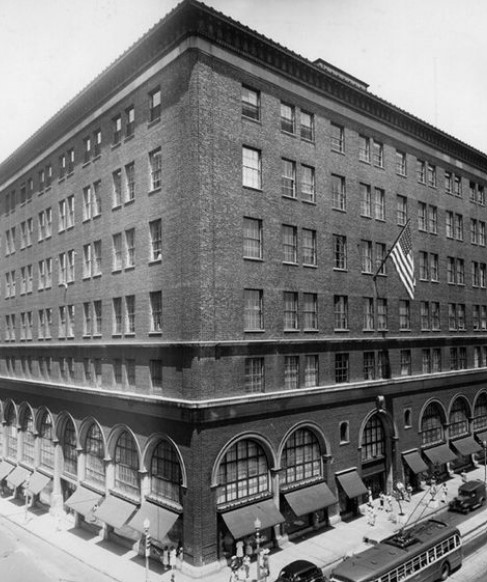
In the fullness of time, I spotted the first of my objectives on the northwest corner of Peachtree and Ellis Streets. It seemed every other avenue in Atlanta was named Peach or Peachtree something. After a thorough search of all five of Davison’s levels and the bargain basement, I drew a blank. Fortunately, Regenstein’s was on the same block, so it was next. A canvas of its two floors brought a similar result. I had the same outcomes from explorations of the six stories of Rich’s merchandise and the four of High’s.
When I’d finished, I came to a couple of conclusions. One, there were some very attractive women in the city of Atlanta. And, second, the dames here wore pretty much the same fashions as the broads back home. More important, there was no Gladys Brubaker among their numbers. Perhaps my supposition regarding the darb working in a department store was wrong. Regardless, I was exhausted and, having killed the better part of the afternoon, was ready for the drink that awaited me at Turner’s.
I hate to eat on an empty stomach, but supposed it was a good idea to get something ahead of meeting the copper and the journalist. Doubling back to a Chinese joint I’d spied while at the first store on my quest, I took in the Wisteria Gardens’ “house specialty,” chop suey with egg rolls. While I wasn’t sure how it would settle with the alcohol later, it was darned tasty.
To Be Concluded one week from today.